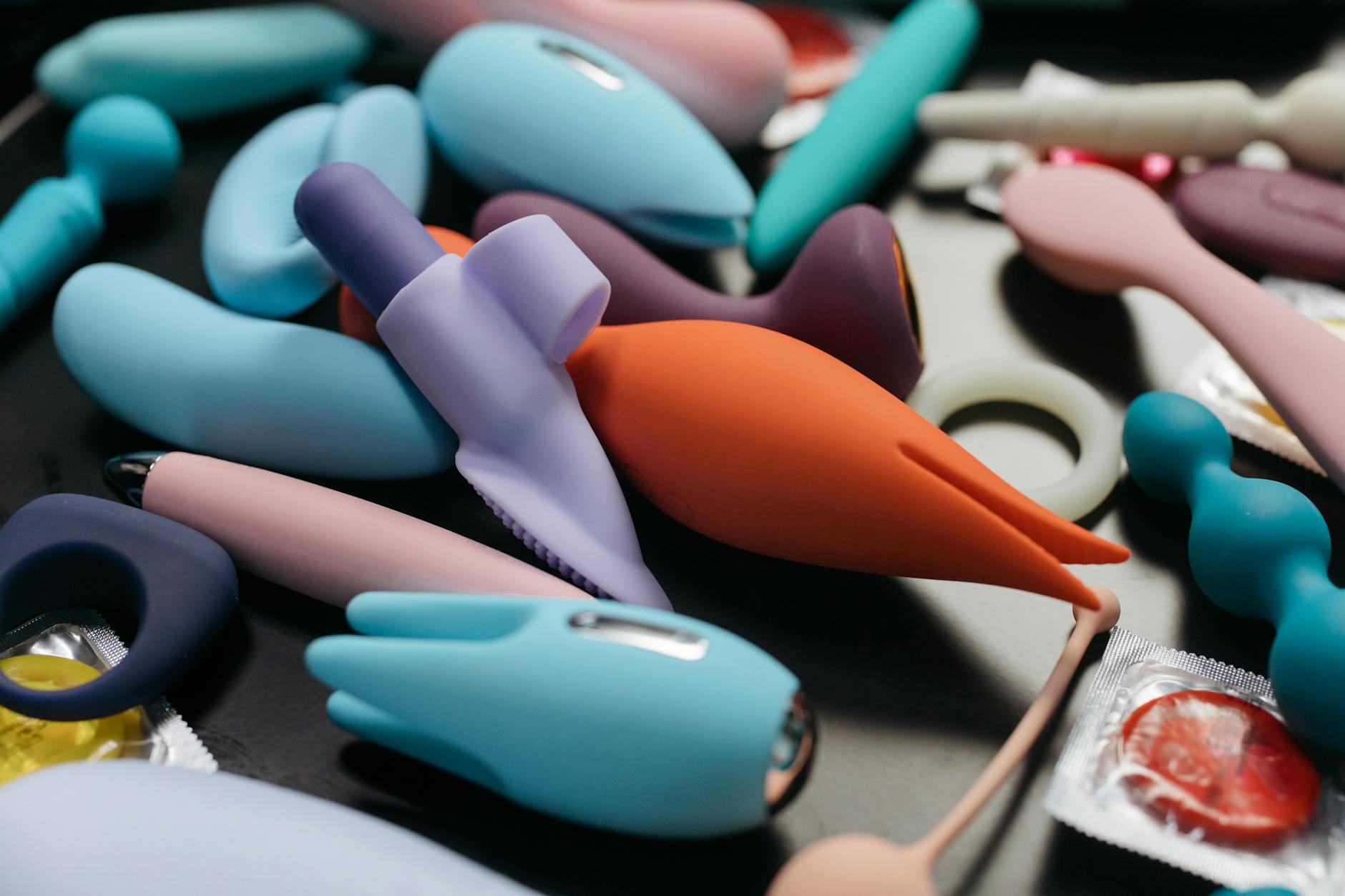
The basic problem nobody talks about
Nerve damage rewires sensation. It doesn't just make things numb. It can make normal stimulation feel painful, burning, or weirdly displaced. If you've had spinal surgery, pelvic radiation, childbirth complications, or diabetes-related neuropathy, you know this already. Traditional vibrators that rely on direct friction or high-frequency buzz can actually make nerve pain worse.
That's not a character flaw in you. That's a mismatch between how the toy delivers stimulation and how your altered nervous system processes it.
How nerve damage changes sensation
When nerves heal after injury, they don't always heal in the same pattern. Some nerve endings die. Others resprout and reconnect to the wrong targets. This is called "maladaptive neuropathic pain" and it can turn a normally pleasurable sensation into discomfort.
Your clitoris has roughly 8,000 nerve endings concentrated in a tiny space. Damage to nerves feeding that area means some of those endings may:
- Respond unpredictably (feeling intense when light touch is intended)
- Create phantom sensations (feeling stimulation where none is applied)
- Develop allodynia (pain in response to normally pleasant touch)
- Cause referred pain (discomfort that appears to come from elsewhere)
This is why traditional vibrators fail. They're designed for standard neural patterns. They assume a direct relationship between buzz intensity and pleasure. After nerve damage, that relationship is broken.
Why lemon vibrators (suction-based) respond differently to damaged nerves
A lemon clitoral vibrator works through gentle suction rather than mechanical vibration or friction. This changes everything.
Suction stimulates the tissue differently. Instead of exciting nerve endings through direct pressure or oscillation, it creates a sustained, gentle drawing sensation. Here's what that means neurologically:
1. Lower frequency, higher depth. Traditional vibrators often buzz at 60-300 Hz. That rapid-fire stimulation can trigger pain responses in sensitized nerve endings. Suction-based toys like Hello Nancy's lemon vibrator work at 1-3 Hz (slower) but with deeper tissue engagement. Your nervous system processes this as less threatening.
2. Distributed pressure. The suction pattern spreads stimulation across a wider tissue area rather than concentrating it on a single point. Damaged nerves are less likely to fire in a coordinated way when the stimulus is distributed. This actually reduces pain and increases arousal.
3. No direct friction. Friction requires repeated contact with sensitized endings. Suction uses gentle drawing action. For someone with neuropathy or post-surgical sensitivity, this feels radically different. Less harsh. More predictable.
What the recovery data actually shows
I work with clients rebuilding intimacy after various forms of nerve damage. The pattern is consistent. People who start with traditional vibrators often report:
- Burning sensation that gets worse over time
- Sharp, unexpected pain in the middle of arousal
- Numbness alternating with hypersensitivity
People who switch to a lemon vibrator typically report (within 2-3 sessions):
- Sensation returning in specific zones
- Arousal building more steadily
- Pain either disappearing or becoming predictable (and therefore manageable)
This isn't placebo. The mechanism is real. Suction toys work with healing nerves instead of against them.
How to start if you're dealing with nerve pain
Take three steps.
Start low and slow. The lem vibrator has pattern intensities from 1 to 10. Begin at 1 or 2, even if that feels incredibly gentle. Your nervous system needs to relearn what sensation means. Rushing it undoes the progress.
Use it consistently, not intensely. Twenty minutes once a week is better than ninety minutes once a month. Regular gentle stimulation helps your nervous system recognize the pattern as safe and pleasurable. Intensity creates anxiety. Consistency creates healing.
Pay attention to your nervous system's feedback. Nerve pain often comes with a hypervigilance loop. Your body tenses up expecting pain, which makes stimulation feel worse. With a lemon clitoral vibrator, you should notice your pelvic floor relaxing over time. If it's not, you're still in protective mode. Back off the intensity and the duration.
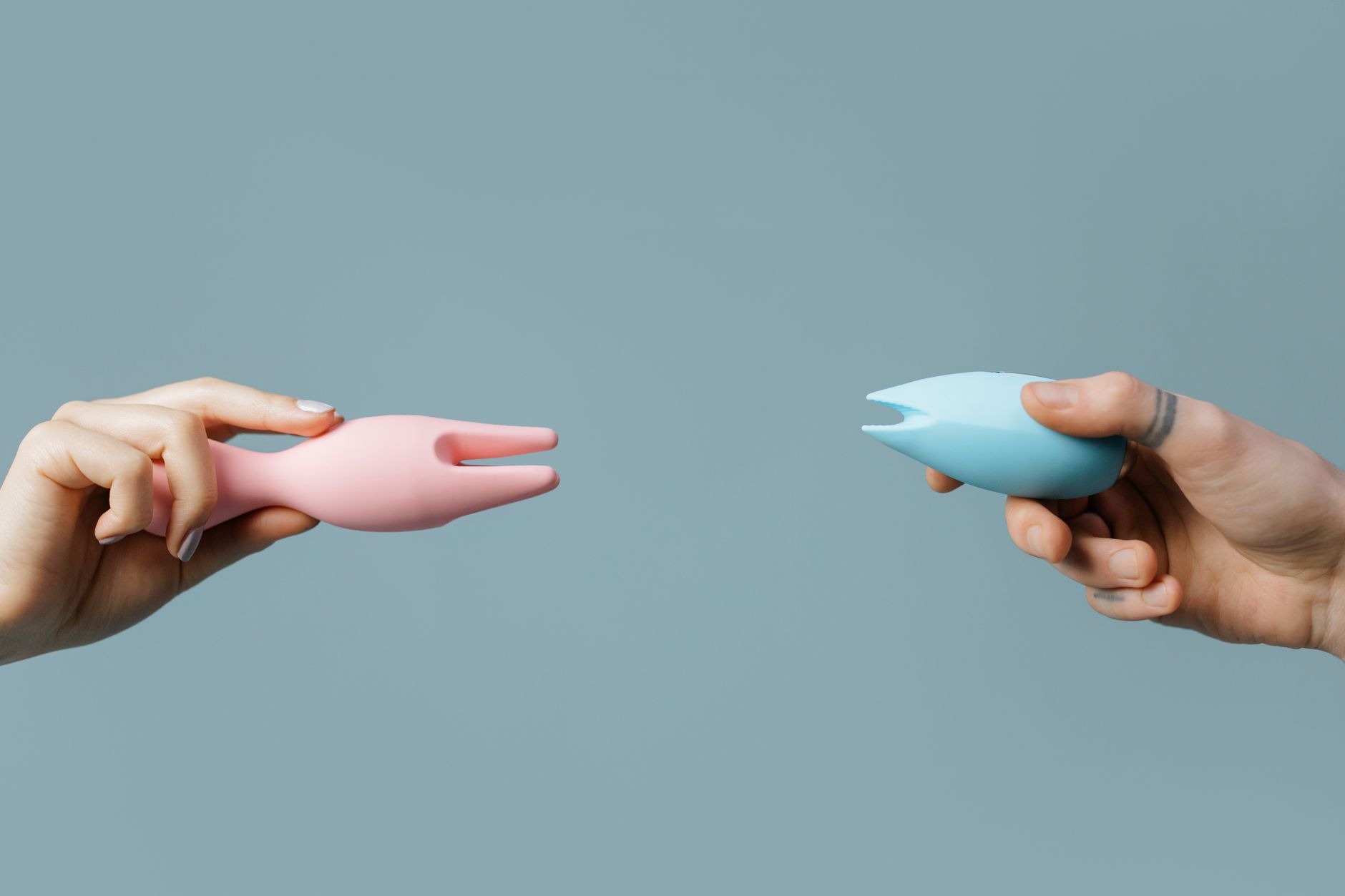
Photo by cottonbro studio on Pexels
Partner communication matters here
If you're working with a partner, separation is key. Your nerve damage isn't your partner's responsibility to fix, but it is something to address together. The conversation isn't "I'm broken." It's "My nervous system processes sensation differently now, and here's what helps."
When you introduce a lemon vibrator into partnered intimacy, frame it as expansion, not replacement. Some partners worry that a toy means they're not enough. That's a different conversation entirely, and it deserves its own attention. How to Use Lemon Vibrators With Partners When Communication Feels Difficult walks through that in detail.
Common nerve damage scenarios and why lemon vibrators help
Spinal cord injury or surgery. Nerve pathways are interrupted. Stimulation below the injury site may feel diffuse or displaced. Suction's broader contact pattern works with this diffuse sensation rather than fighting it.
Pelvic radiation therapy. Radiation kills nerve endings and creates scar tissue. Recovery is slower. Suction-based stimulation doesn't aggravate healing tissue the way friction does. It's gentle enough for sensitive, rehealing tissue.
Childbirth complications (perineal nerve damage). This is more common than people admit. Pain during sex after birth often points to nerve damage, not just muscle tightness. A lemon clitoral vibrator's gentle approach helps rewaken sensation without triggering pain responses.
Diabetes-related neuropathy. High blood sugar damages small nerve fibers over time. Sensation becomes unreliable. Suction-based stimulation is more forgiving because it doesn't depend on precise, coordinated nerve firing. It works with the chaos instead of against it.
Pudendal neuralgia. This is nerve entrapment that causes chronic pain in the vulva, perineum, or rectum. Traditional vibrators often make it worse. Suction toys work because they don't apply direct pressure to the nerve pathway. How to Use a Lemon Vibrator When Your Nervous System Is Overstimulated covers this more deeply.
Why your doctor might not know this
Most physicians don't discuss sexual pleasure during nerve damage recovery. It's a gap in the system. You get physical therapy, pain management, and follow-up appointments. Nobody says, "Here's how your sexual response will change, and here's what tools might help."
That's why doing your own research matters. You're not being selfish. You're reclaiming a part of your life that's easy to lose during recovery.
The timeline for nerve recovery
Nerves heal slowly. Peripheral nerves grow at about 1 millimeter per day. Central nervous system damage heals even slower. This means nerve recovery isn't weeks. It's months to years.
Using a lemon vibrator during this window does two things. First, it provides the gentle, consistent stimulation that helps rewire neural pathways. Second, it reminds your brain that pleasure is possible. Psychological recovery matters as much as physical healing.
Many clients find that 3-6 months of consistent, gentle use with a lemon clitoral vibrator brings noticeable sensation return. Some recover full sensation. Others find a new normal that's different but still deeply satisfying.
The importance of working with a specialist
If your nerve damage came from a specific medical event, a pelvic floor physical therapist trained in neuropathy can help. They can assess which nerve pathways are damaged and give you personalized guidance. A lemon vibrator is a tool, not a cure. The best outcomes come from combining gentle toy use with professional support.
FAQ
Can a lemon vibrator reverse nerve damage?
No. But it can help your nervous system rebuild its relationship with sensation. Gentle, consistent stimulation helps rewire neural pathways and can restore pleasure even when full sensation doesn't return. Think of it as part of the recovery toolkit, not the whole toolkit.
What if suction feels uncomfortable?
Try the lowest intensity setting for just 5-10 minutes at a time. If suction still feels wrong after a few sessions, you might have a different kind of nerve involvement that needs professional assessment. Some people with severe nerve pain do better starting with something even gentler, like a wand toy used at very low intensity on the external area. Check with a pelvic floor therapist for guidance.
How long does it take to feel a difference?
Most people notice some change within 2-3 sessions, though that change might be subtle (less pain, more predictability). Real sensation return often takes 6-12 weeks of consistent use. Patience is essential. Your nervous system is learning something new.
Can I use a lemon vibrator if I have nerve pain and a tight pelvic floor?
Yes, but carefully. Nerve pain and pelvic floor tension often go together because your muscles protect against pain by gripping. Start with the lem vibrator on your lowest intensity setting and just notice your pelvic floor response. If it tightens, you're still in protective mode. Breathing and gentle self-touch before using the toy can help.
Is a lemon suction vibrator better than all other toys for nerve damage?
For most types of nerve damage, yes. Suction-based toys are gentler and more forgiving than friction-based vibrators. That said, every nervous system is different. What works for pudendal neuralgia might not work perfectly for spinal injury. A pelvic health professional can help you figure out which tool fits your specific situation.
What if I've tried lemon vibrators and still have pain?
Pain during sexual activity after nerve damage sometimes points to something else: pelvic floor dysfunction, psychological protective responses, or incomplete healing. A combination of toy use, pelvic floor therapy, and sometimes somatic or trauma-informed therapy works better than any single tool alone. How Lemon Vibrators Help When Grief Affects Desire and Arousal addresses some of the psychological side of this too.
The bottom line
Nerve damage changes how your body receives pleasure. That doesn't mean pleasure is gone. It means you need different tools. A lemon vibrator's suction-based design works with healing nerves instead of triggering pain responses. Combined with patience, consistency, and professional support when needed, it can help you rebuild intimacy after nerve injury. Your nervous system can learn again. It just needs the right stimulus to do it.
If you're navigating recovery and want to talk through what might work for your situation, reach out. That's what we're here for.