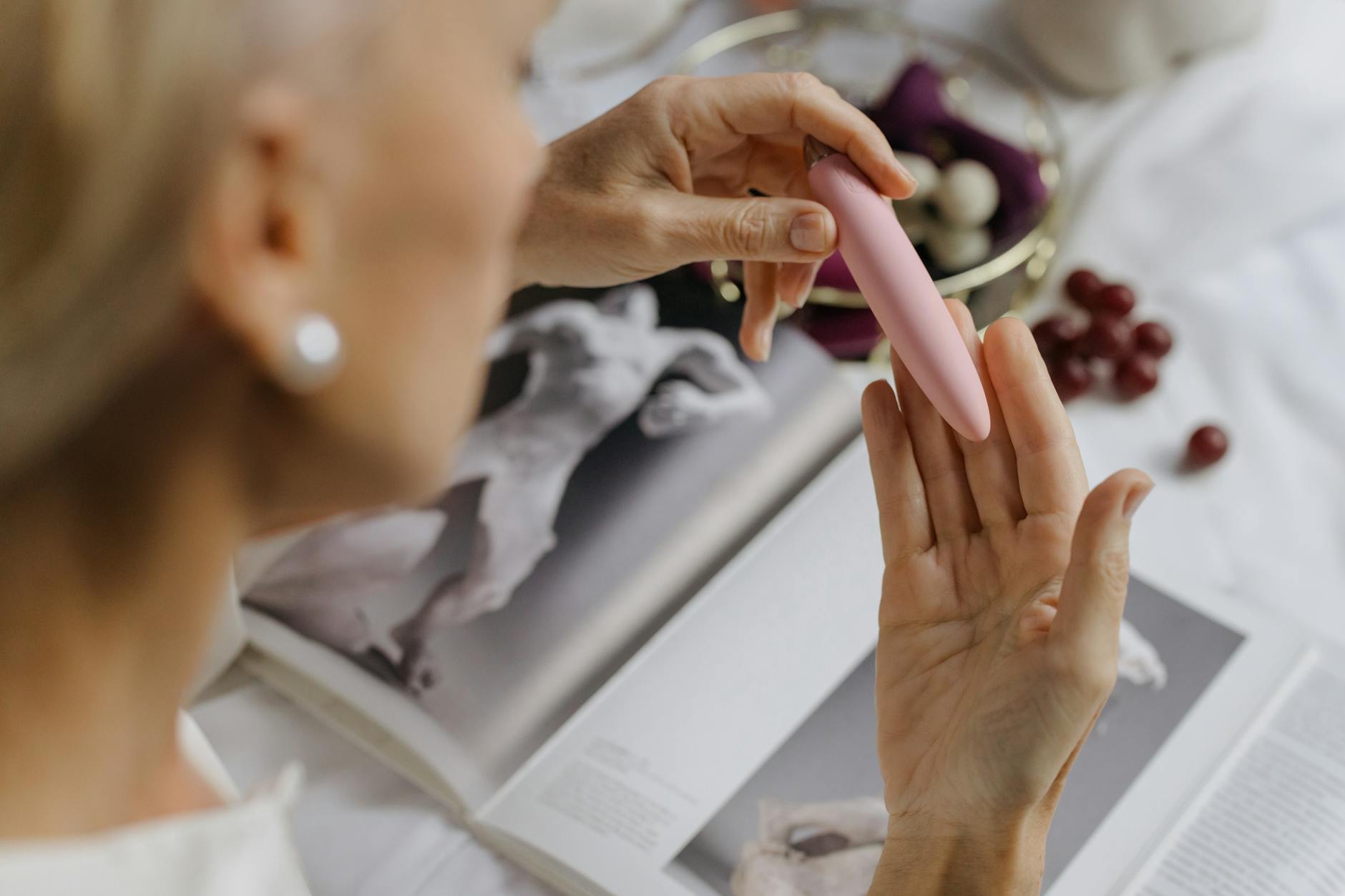
Let's start with what nobody tells you about grief and sex
Grief doesn't just make you sad. It makes your body forget how to want. Your nervous system goes into a protective crouch, your arousal threshold shoots skyward, and the idea of pleasure can feel almost offensive. You're not broken. You're not depressed yet (though grief can tip into depression). Your body is doing exactly what it's supposed to do when your brain detects a threat: it's shutting down anything non-essential to survival.
That's the first thing I tell clients who come to me months into grief, confused and sometimes panicked because their libido has flatlined. The desire didn't die. The pathway to it is temporarily blocked.
The neurobiology of grief's impact on arousal
Here's what's happening in your nervous system during acute grief. Your amygdala, the alarm center of your brain, is overstimulated. Your prefrontal cortex, the rational planner, is offline. And your vagus nerve, which is central to sexual response, is cranked into parasympathetic shutdown. You feel foggy, exhausted, maybe a bit numb.
Arousal requires what we call "upregulation." Your nervous system has to shift from threat-detection mode into exploratory mode. That's hard to do when grief is still fresh, especially when the loss touches your relationship or your sense of safety. If you've lost a partner, the pathway to intimacy now has landmines. If you've lost someone else close to you, you might feel guilty for wanting pleasure at all.
Add in the physical side: grief often brings disrupted sleep, less movement, dehydration. Your body is running on fumes. Arousal is metabolically expensive. Your nervous system isn't going to allocate energy to pleasure when you're in survival mode.
This usually settles between 6 to 18 months, depending on the loss and your support system. But here's the thing: you don't have to wait passively.
Why lemon clitoral vibrators are different when you're grieving
I recommend lemon vibrators specifically for people navigating grief because of how they work mechanistically. A lemon clitoral vibrator uses suction and gentle pulse patterns rather than direct friction. That matters when your nervous system is already in overdrive.
Direct vibration can feel jarring when you're emotionally raw. It can pull you out of your body instead of drawing you deeper into it. Suction stimulation, by contrast, creates a more diffuse, enveloping sensation. It's less of a jolt and more of a presence. For someone whose arousal pathways are barely flickering, that gentler engagement can feel more inviting.
Also: lemon vibrators are small enough to feel safe. When grief has made your body feel like a foreign country, a compact device is less overwhelming than something large or intimidating. You're not signing up for an event. You're just opening a small door.
The psychology of reintroducing pleasure after loss
There's often a guilt layer here that nobody talks about. If the loss involves a partner, exploring your own body solo can feel like a betrayal, or like you're moving on too fast. If the loss is unrelated, there's often a background hum of "I shouldn't be enjoying anything right now."
That guilt is worth naming directly with yourself, maybe even writing down. Because guilt is a signal that your nervous system is still protecting you. It's trying to keep your loyalty to the lost person or situation intact. That's very human.
But pleasure isn't disloyalty. It's not a betrayal of the grief. It's your nervous system remembering that life still includes good things, even alongside the hard things. You can hold both. You probably already do, even if it feels contradictory.
Start small, with zero expectations. This isn't about achievement or reaching an orgasm. It's about reacquainting yourself with sensation on your own terms. Many clients tell me that the first time they touch themselves with a lemon vibrator after loss, they're not seeking pleasure at all. They're just testing whether their body can still feel anything at all. And sometimes the answer is a quiet "yes." That's enough.
How to actually approach this
First, create the right conditions. This doesn't mean candles and rose petals. It means a time when you're unlikely to be interrupted, when you're not running on empty, and ideally when you're not in the immediate aftermath of a grief spike. If you're sobbing daily, this conversation can wait a few more months. If you're mostly functional and just feeling numb, you're in a better window.
Second, lower your bar aggressively. You're not aiming for arousal or orgasm. You're aiming for neutral sensation. Does this feel okay? That's success. If at any point it feels bad or brings up panic, stop immediately. There's no failure here. You're gathering information about where your nervous system is.
Third, go slowly with pattern exploration. Most lemon suction devices have multiple settings. Start at the lowest setting. Spend time at that level. Let your body get used to the sensation. Your arousal threshold might be significantly higher right now, and that's completely normal. It's not permanent.
Grief and pleasure aren't enemies. They're just trying to exist in the same nervous system at the same time, and that's complicated work.
When to involve a partner
If you're grieving alongside someone, the question of when and how to reconnect physically is delicate. Solo exploration with a lemon clitoral vibrator can actually help you reset without the pressure of performance or the emotional complexity of shared intimacy. You're getting your nervous system back online before you ask your partner to help.
When you do want to reintroduce partnered intimacy, having rediscovered your own arousal pathway independently can actually make that easier. You're not starting from zero. You're starting from "I remember my body can feel this," which changes the entire dynamic.
If your grief involves loss of a partner, solo pleasure with a vibrator serves a different function. It's your body reminding you that pleasure doesn't require that specific person or that specific dynamic. Your capacity for sensation is separate from your loss. That's a real, practical form of healing.
The timeline piece, honestly
You can't rush this. Your nervous system will integrate what's happened on its own schedule. But you can create conditions that make that integration easier. Gentle self-touch with a lemon vibrator is one of those conditions. So are walks, talking to someone who gets it, letting yourself cry when it comes up, and sometimes doing absolutely nothing at all.
Many of my clients report that somewhere between month 6 and month 12, they suddenly realize they've thought about sex again without it feeling like a violation. That's usually a sign the nervous system is settling. From there, pleasure can rebuild more naturally.
The lemon vibrator isn't a fix. It's a tool for gentle reintroduction to your own body during a time when that connection might feel lost. That's more than enough.
People also ask
Is it normal to have zero libido months after loss?
Completely normal. Loss activates your threat-response system, which downregulates sexual arousal. Your body is doing its job. Between 3 and 18 months is a typical timeline for libido to start returning, depending on the intensity and nature of the loss. If you're still completely flatlined after 18 months, especially if grief has shifted into depression, talking to a therapist or GP is worth doing.
Can using a lemon vibrator help me move through grief faster?
No. A lemon clitoral vibrator won't speed up your emotional processing. But it can help your nervous system remember that sensation and pleasure are still available to you, which sometimes makes the emotional weight feel less crushing. It's part of the picture, not the whole picture.
What if touching myself brings up intense sadness?
That's information. Your body might be storing grief in your genitals or around sexuality, which happens often when the loss involves intimacy or betrayal. If pleasure consistently triggers sadness or panic, working with a trauma-informed therapist is the right call. A vibrator isn't the tool for that level of nervous system dysregulation.
Should I tell my partner I'm using a lemon vibrator to reconnect with pleasure?
That depends on your relationship and what feels right. Some couples find that transparency about solo exploration actually strengthens trust and opens doors to reconnection. Others prefer privacy. Neither is wrong. The key is honesty with yourself about why you're doing it and what you need.
How long before pleasure feels normal again?
People vary widely. Some clients report arousal returning within a few months of loss. Others take longer. The pace depends on your support system, how you're sleeping, whether you're moving your body, and sometimes your attachment history. Grief isn't linear. Your arousal won't be either.
Can grief permanently change my sexuality?
Loss can shift how you experience pleasure, sometimes in surprising ways. Some people find their sexual response actually deepens after grief because they're more present. Others find their preferences shift. That's not permanent damage. That's your nervous system integrating something real. Give it time before you decide what's changed.
The actual point
Grief mutes pleasure. It doesn't erase it. Your nervous system is protecting you, which is its job. A lemon vibrator is a small, manageable way to tell your nervous system that when you're ready, sensation is still available. You don't have to rush. You don't have to perform. You just have to listen to your body, which has been working overtime to keep you stable through something hard. That's the whole conversation.
If you're ready to reconnect with pleasure, even gently, you can. If you're not, that's equally okay. Your body will tell you when the time is right.