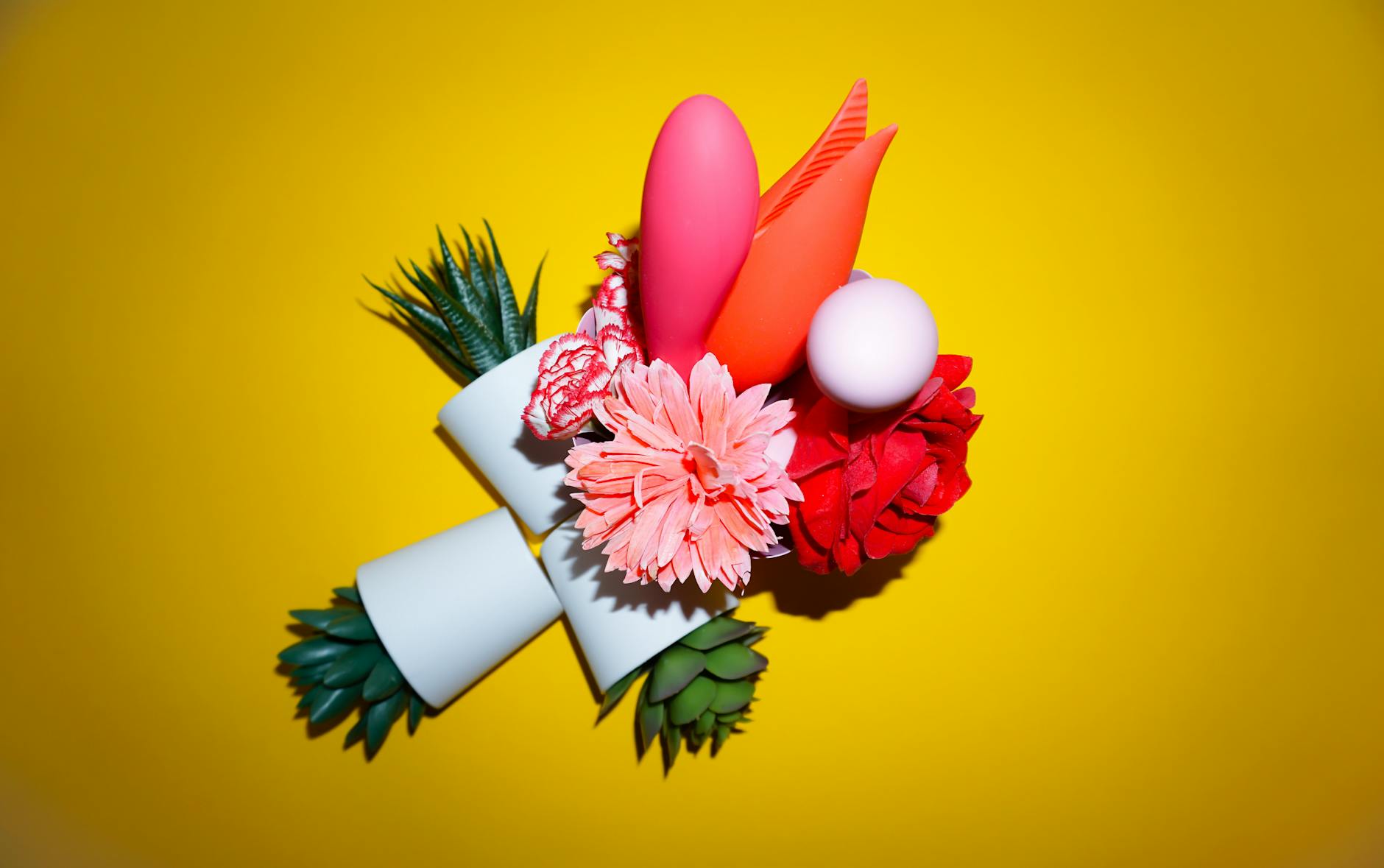
Here's the thing about menopause and sensation
Most conversations about menopause and pleasure feel weirdly binary. Either everything falls apart, or nothing changes at all. The reality is messier and actually more interesting. Your body does shift after menopause. The tissues thin, lubrication changes, and the speed of arousal shifts. But the architecture of pleasure stays intact. What transforms isn't your capacity for orgasm. It's what kind of stimulation actually works.
This is where lemon vibrators, specifically suction-based tools like the Lem clitoral vibrator, become weirdly effective for postmenopausal pleasure. Not because they're designed for menopause. But because how they work aligns with what your body actually needs after estrogen shifts.
Why traditional vibration becomes less comfortable
Before menopause, direct vibration works fine. Your clitoral tissue is thick enough to handle it, well-lubricated, and responsive to sustained friction. Fast oscillation feels good. After menopause, that same intensity can feel like too much too fast.
Here's the mechanics. Estrogen supports tissue hydration and thickness. When it drops, your clitoral hood gets thinner, the exposed glans becomes more sensitive, and the surrounding tissue loses some of its cushioning. That means direct, persistent vibration can actually create discomfort instead of pleasure. It's not numbness. It's hypersensitivity masquerading as numbness.
Many people assume they've lost sensation. They haven't. They've become more sensitive to the wrong kind of input. That's a fixable problem.
Why suction changes the game
Suction-based lemon clitoral vibrators like the Lem work differently than traditional vibrators. Instead of sustained oscillation against tissue, suction draws the clitoral structure into the stimulator head and pulses rhythmically. The sensation is more diffuse, more rhythmic, and crucially, less mechanically direct.
Postmenopausal tissue responds better to this approach because suction doesn't require the kind of persistent friction that thin tissue finds overwhelming. The pulsing rhythm actually feels more pleasurable than constant vibration. The stimulation spreads across a wider area rather than concentrating on a single point. And because suction is rhythmic rather than chaotic, it builds sensation more gradually.
From a physiological standpoint, this makes sense. Suction-based stimulation activates different nerve pathways than direct vibration. For postmenopausal bodies, those pathways often feel richer, more controllable, and ultimately more satisfying.
The arousal timeline gets longer (and that's actually great)
One of the most misunderstood aspects of postmenopausal sexuality is that arousal takes longer. This feels like a loss. It's not. It's a negotiation.
Your brain's capacity for pleasure didn't change. Arousal just becomes less automatic. You need more time, more context, more buildup. For some people, this means orgasm feels further away. For others, it means the journey to orgasm becomes more interesting.
Lemon sexual toys designed around suction work well here because they reward patience. Start on a lower intensity setting (most lemon vibrators like the Lem have at least 5-7 patterns). Spend 15-25 minutes exploring. Let the rhythm build gradually. The pulsing sensation that felt subtle at minute three feels completely different at minute fifteen. This is where suction shines compared to traditional vibrators. The rhythm compounds. The pleasure builds in waves instead of plateauing.
This isn't a workaround for lost sensation. It's an actual upgrade in how pleasure can be structured.
Lubrication strategy shifts too
Thinner tissue needs more support. This is where water-based lubricant stops being optional and becomes essential infrastructure. But here's the thing most people miss: lemon vibrators work better with lube than traditional vibrators do.
With suction-based clitoral vibrators, lubricant reduces friction and helps create the seal that suction relies on. It also protects tissue from any drag. Use water-based lube generously. Reapply halfway through. This isn't a sign of malfunction. This is normal postmenopausal sex.
Silicone-based lubes feel richer, but they can damage silicone toys. Stick to water-based. The upside is that good water-based lubes feel just as good and dry out less predictably than you'd think, especially with a lemon sucker that's constantly rehydrating the area with the seal.
Intensity settings matter more than ever
Most lemon adult toys come with multiple intensity levels or patterns. Before menopause, many people skip the low settings and go straight to maximum. After menopause, this is actually a mistake.
Start low. Your tissue is more sensitive, not less. Pattern 1 on the Lem might feel like nothing for 30 seconds, then suddenly feel perfect. Pattern 2 might feel too intense. The sweet spot often sits somewhere in the middle, but you need time to find it. This is why starting low isn't a compromise. It's how you actually access full-body sensation.
Another thing: many people find that intensity builds differently with suction. What feels medium at minute three feels intense at minute twelve. Your body's response changes as arousal deepens. Give yourself permission to adjust patterns mid-session. This is totally normal and actually a sign that the tool is working.
Partner integration gets easier
If you have a partner, postmenopausal pleasure often benefits from a conversation that feels like a reset. "My body needs something different now" is different from "Something's broken." They're not the same topic, and confusing them kills both conversations.
Lemon clitoral vibrators are actually easier to use with a partner than you might think. They're handheld, portable, and quiet enough that they don't dominate the experience. You can use one solo, then transition to partnered sex. You can use one during partnered sex. You can use one while your partner uses something else. The point is agency. You're not dependent on your partner's pace or pressure. You're stewarding your own pleasure.
How to Use a Lemon Vibrator With a Partner Who Wants to Keep Things Slow digs deeper into partner dynamics. But the baseline is this: postmenopause is often when people feel most confident asking for what they actually need instead of performing compliance.
When sensation feels delayed or distant
Some people experience what feels like numbness postmenopause. It's rarely true numbness. It's usually one of three things: tissue sensitivity, arousal speed, or psychological load.
Tissue sensitivity responds to lube, suction, and lower intensity. Arousal speed responds to longer sessions and more foreplay. Psychological load is harder but important. If you spent decades calibrating your pleasure around someone else's timeline, postmenopause often brings permission to stop. That permission can feel unfamiliar enough to read as numbness.
Lemon vibrators help with the first two directly. The third requires conversations that happen outside the bedroom. If you're working through postmenopausal pleasure shifts with a partner, consider How Lemon Vibrators Help Restore Pleasure After Body Image Trauma, which gets into how self-permission actually unlocks sensation.
When to see a doctor
If pain appears during sex or vibrator use, don't wait. Genitourinary syndrome of menopause is real, common, and highly treatable. Topical estrogen creams have minimal systemic absorption and can transform sensation in weeks. A menopause-trained GP can prescribe this immediately.
If your clitoral tissue genuinely lacks responsiveness after ruling out psychological and mechanical issues, low-dose vaginal testosterone therapy is worth discussing. It's not prescribed as widely in the US as in the UK or Australia, but it's available and often life-changing.
Postmenopausal pleasure isn't automatic. It's also not a mystery. Most shifts respond beautifully to tools designed for your body's actual needs.
The real opportunity
Here's what I tell my clients: menopause is not the end of sexual life. It's the middle chapter. And in many ways, it's the most textured one.
Your pleasure didn't disappear. It reorganized. Lemon vibrators, specifically suction-based designs, work brilliantly with that reorganization because they don't fight your body's new requirements. They honor them. They offer rhythmic, diffuse, customizable stimulation that lets you set the pace instead of chasing it.
The pleasure you're capable of right now, at this stage of your life, can be deeper than anything you experienced before. That's not sentiment. That's physiology plus permission plus the right tools.
FAQ: Lemon Vibrators and Postmenopausal Pleasure
Why do suction vibrators feel better than regular vibrators after menopause?
Suction-based lemon clitoral vibrators distribute stimulation across a wider area instead of concentrating it on a single point. Postmenopausal tissue is thinner and more sensitive, so direct vibration can feel overwhelming. Suction creates a rhythmic pulsing sensation that feels diffuse and builds gradually. Many people find this approach more pleasurable and easier to control than traditional vibration, especially as tissue composition shifts with lower estrogen.
Does a lemon vibrator help with postmenopausal dryness?
A lemon vibrator itself doesn't treat dryness, but it works well alongside lubrication strategies. Suction-based vibrators like the Lem actually benefit from lubricant because it helps create the seal and reduces friction. Using a generous amount of water-based lube before and during use is important. If dryness is severe or painful, talk to a doctor about topical estrogen treatments, which work quickly and have minimal side effects.
How long should postmenopausal pleasure sessions be with a lemon vibrator?
Plan for 15-30 minutes. Arousal takes longer after menopause, but that's actually an advantage. Shorter sessions often don't give your body enough time to build sensation. Start with a lower intensity pattern and let rhythm and sensation compound. Many people find that what felt subtle at minute three feels completely different at minute twenty. Patience actually builds more pleasure.
Can I use a lemon sucker if I'm on hormone replacement therapy?
Absolutely. Hormone therapy doesn't change how suction vibrators work, though some people on HRT report that arousal speed improves and tissue sensitivity normalizes slightly. You might find you can tolerate higher intensity settings than you could without HRT. The mechanics stay the same. You're just recalibrating as your body changes.
What if a lemon clitoral vibrator feels too intense even on the lowest setting?
Start with the vibrator off and just explore the sensation of the suction head against your body without activation. Apply lubricant generously. Try the lowest pattern for just 10-15 seconds at a time, then rest. Your body might need a few sessions to acclimate to the sensation. Some people find that starting with external exploration helps tissue adjust. If pain persists, check with a doctor about genitourinary syndrome of menopause, which is treatable.
Are lemon adult toys worth trying if I haven't used toys since before menopause?
Yes. Your body changed, but lemon vibrators designed around suction actually address the specific sensations that feel good now. If you used traditional vibrators before menopause and found them tiring or overwhelming, a suction-based lemon vibrator might feel like an entirely different category of tool. Start slow, use plenty of lube, and give yourself at least three sessions before deciding. Many people are surprised by how well-matched these tools are to postmenopausal pleasure.
Resources and Further Reading
If you're exploring pleasure after menopause, these Hello Nancy Lemon Shop blog posts dig deeper into specific scenarios and strategies.
How to Use a Lemon Vibrator for Vaginal Dryness and Low Arousal tackles the mechanics of arousal and tissue changes directly.
How to Use a Lemon Vibrator After Starting Hormone Therapy walks through how HRT shifts your sensations and how to adjust your approach.
For partner-inclusive pleasure, How to Use a Lemon Vibrator With a Partner Who Wants to Keep Things Slow offers concrete strategies for collaborative exploration.
Postmenopausal pleasure is not a compromise. It's a different chapter with its own texture and depth. The right tools, knowledge, and permission make all the difference.