Here's the thing about pleasure after trauma
Body image trauma doesn't announce itself with a single event. Sometimes it's years of criticism. Sometimes it's one moment that never stops echoing. What all trauma shares is this: it teaches your nervous system that your body isn't safe. That message spreads fast. It locks into your spine, your skin, the space between desire and permission.
The work of rebuilding pleasure isn't about forcing yourself to feel sexy again. It's about teaching your body that sensation itself can exist without judgment or performance. That distinction matters, because most advice skips straight to "self-love" and misses the actual barrier. You don't need to love your body yet. You need to trust it again.
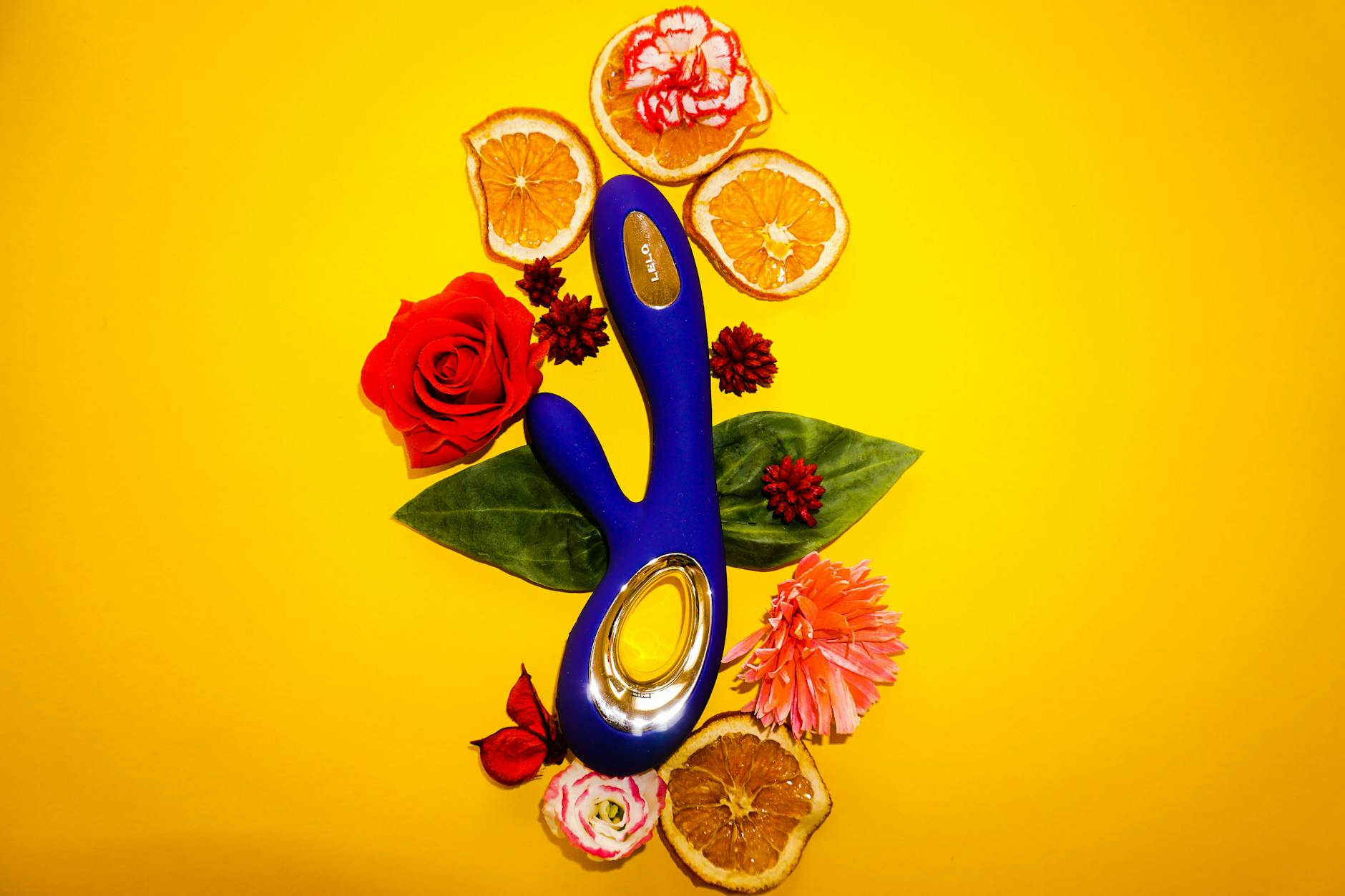
Lemon clitoral vibrators are particularly useful for this work, not because they're magic, but because they interrupt the old pattern in a specific way.
Why sensation matters more than self-talk
After body image trauma, your brain has learned to filter pleasure through shame. You touch yourself and hear an old voice. You feel arousal and your system reads it as danger. This isn't weakness. This is your nervous system working exactly as designed.
Self-talk can only do so much against that wiring. Your brain has evidence that doesn't care about affirmations. What it needs is new evidence. Your body needs a lived experience that contradicts the old story. That's what sensation does. That's what a lemon clitoral vibrator does differently than your hand.
The suction mechanism of a lemon vibrator creates a sensation that's distinct from anything associated with the trauma. It's not a replication of partnered sex. It's not penetration, which carries its own loaded history for many people. It's focused, contained sensation that your brain reads as safe because it's novel.
The neuroscience of novelty and nervous system reset
When your body encounters a new sensation, it activates your curiosity response. That's different from your threat response. Different neural pathway. Different endocrine cascade. For the first time in months or years, your nervous system might experience arousal without the accompanying freeze or shame.
That single experience matters more than you might think. It's not a cure. But it's a crack in the old story. Do it five times, and the crack widens. Your brain starts collecting evidence that pleasure and safety can coexist.
Lemon vibrators work at this specific job because the sensation is intense enough to demand your attention (which interrupts rumination) but localized enough to feel contained (which keeps your nervous system regulated). You're not floating in an intense full-body experience. You're focused on a specific point of sensation that you control completely.
The control factor is everything
Trauma often involves a loss of agency. Your body was commented on, criticized, used, or ignored against your wishes. Rebuilding trust means reclaiming control over sensation and pacing.
With a lemon clitoral vibrator, you control the intensity, the rhythm, the duration, and the stopping point. You can start at pattern one. You can use it for two minutes and stop. You can explore one small area. You can stop the moment something feels wrong.
That agency is healing in ways that partnered sex often can't offer immediately. You're not reading a partner's face. You're not negotiating someone else's pace. You're not managing anyone else's pleasure. You're operating in a container that's entirely yours.
Many of my clients report that this control is what finally lets them feel something. Not because they're selfish, but because their nervous system can finally relax enough to receive sensation.
Building tolerance gradually, on your timeline
One misconception about sex toys and trauma recovery is that intensity equals healing. It doesn't. In fact, starting with high intensity can retraumatize your nervous system. Your body reads overwhelming sensation as a threat, and you're back where you started.
The lemon clitoral vibrator is especially useful here because it has multiple intensity settings. You're not locked into one experience. You can start at the gentlest setting and spend weeks or months there before exploring more intensity. Your body gets to decide the pace. Not your timeline. Not your partner's hopes. Your body's actual capacity.
Start slow. Notice what patterns feel safe. Notice what sensations make your nervous system relax versus tense up. That information is gold. You're learning your own body's language again.
The psychological shift from observer to participant
Body image trauma often puts you in observer mode. You're watching your body from the outside, narrating its failures, bracing for criticism. Pleasure becomes impossible from that vantage point. You're not in your body. You're above it, judging it.
When you use a lemon vibrator, something shifts. The sensation pulls you inward. You can't stay in observer mode and experience what's happening simultaneously. Your nervous system has to choose. Most people find that after five or ten minutes, the observer voice quiets. You're in your body, not above it.
That's not permanent yet. The observer voice will come back. But each time you practice, the gap lengthens. The moments of inhabitation become more frequent. Over time, that becomes the default. You're in your body because pleasure pulls you there.
When to bring a partner into this work
If you're in a relationship, this process doesn't have to be hidden or separate. But the timing matters. Let yourself have several sessions alone first. Let your body gather some evidence that sensation is safe. Once you've had a few standalone experiences with a lemon clitoral vibrator, you can decide whether you want to share that.
If you do, the conversation starts with what feels good about the experience, not what it means. "Using this vibrator helped me feel present in my body in a way I hadn't in years," is different than "I need this because you haven't been able to..." The first opens a door. The second creates pressure.
Many partners are relieved to learn this isn't about them. You're not saying their touch wasn't enough. You're saying your nervous system needed a specific kind of input to reset. That's actually good news for your relationship, because healing your nervous system makes partnered intimacy possible again.
Integrating sensation with other healing work
A lemon vibrator isn't a replacement for therapy, somatic work, or the deeper processing that body image trauma often requires. But it's a powerful complement. You're doing the emotional work in other spaces. The vibrator is the practical evidence that your body can feel good. Those things build on each other.
Some of the most powerful moments I've seen in my practice come when a client brings both together. They're in therapy processing the roots of their trauma. They're using a tool like a lemon clitoral vibrator to gather new sensory evidence that their body is safe. The two processes reinforce each other. The trauma work opens space for sensation. The sensation confirms that healing is possible.
The timeline is not linear
Some days you'll use a lemon vibrator and feel wonderful. Other days, the old shame will show up halfway through. That's not failure. That's the nervous system doing its job, reminding you of old danger. You pause. You breathe. You can resume or stop, completely your choice. Both are fine.
Healing isn't a straight line from "traumatized" to "healed." It's more like expanding islands of safety that eventually connect. Some days you're operating from one island. Other days, you slip back. Over time, the islands get bigger and more frequent. That's the actual arc.

Photo by cottonbro studio on Pexels
Your body deserves to feel good
That's not a platitude. That's a statement of fact. Your body isn't broken because trauma happened to it. Your body is exactly where it should be given what it's been through. What you're doing now, the slow work of reconnection, that's how trust rebuilds. Not through forcing. Through patience. Through novel, safe sensation. Through reclaiming agency over your own pleasure.
The lemon vibrators from Hello Nancy Lemon Shop are designed with this kind of intentional sensation in mind. Whether you're starting with a lemon clitoral vibrator or exploring other options, the principle stays the same. Your pleasure matters. Your timeline matters. Your nervous system's safety matters more than anyone else's expectations.
Frequently asked questions
Can I use a lemon vibrator if I still feel shame during solo pleasure?
Absolutely. Shame often shows up first. That's your nervous system reminding you of old messages. You're not failing if shame is present. You're succeeding if you use the vibrator anyway, knowing the shame is background noise, not truth. The act of continuing is rewiring your system. Each time you choose sensation over shame, you're building evidence that both can exist simultaneously and one doesn't cancel out the other.
What if I experience flashbacks while using a lemon clitoral vibrator?
Stop immediately. No guilt, no force. Your body is telling you something important. This doesn't mean you can't use vibrators eventually, but in this moment, your nervous system needs you to listen. Consider working with a trauma-informed therapist who can help you develop grounding techniques before you try again. Some people benefit from external factors like specific music, lighting, or timing that feel safer for their system.
How long does it typically take to feel comfortable with lemon sexual toys after trauma?
There's no standard timeline. Some people feel a shift after three or four sessions. Others need weeks or months. Both are completely normal. What matters isn't speed, it's consistency. Regular practice matters more than intensity of experience. Your nervous system learns through repetition that this new sensation is safe.
Is it better to use a lemon vibrator alone or with a partner during recovery?
Alone first, almost always. Give your nervous system time to establish that sensation can exist without performance pressure or the complexity of another person's presence. Once you've built that foundation, introducing a partner becomes a choice rather than a necessity. Some people find that solo exploration remains their primary healing practice, and that's valid too.
Can lemon clitoral vibrators help if I've lost sensation due to trauma?
Yes, though the timeline might be longer. The focused suction sensation from a lemon vibrator can sometimes reach areas that have gone numb. Start at the lowest setting and spend time exploring rather than chasing intensity. Your nervous system needs to relearn that sensation exists in that area before pleasure is possible. This is often slow work, but it works.
What if I'm using antidepressants that affect sensation alongside trauma recovery?
You're addressing two separate nervous system challenges simultaneously, which is real work. A lemon vibrator can still help because the novel sensation often cuts through numbness better than familiar touch. Some people find they need to adjust timing relative to medication doses. Pay attention to what your body tells you about when sensation feels most accessible. That information is valuable feedback for your healing process.
The path forward
Your body has been through something. The fact that you're exploring ways to reconnect with pleasure is an act of resistance against trauma's message that your body is unsafe. That takes courage most people never see.
A lemon clitoral vibrator from Hello Nancy Lemon Shop isn't going to solve everything. But it's a tool that meets your nervous system exactly where it is. Safe. Controllable. Novel enough to interrupt old patterns. Consistent enough to build new evidence.
Start small. Notice what happens. Let your body teach you what it needs. Trust that timeline, even when it feels slow. You're building something real here.