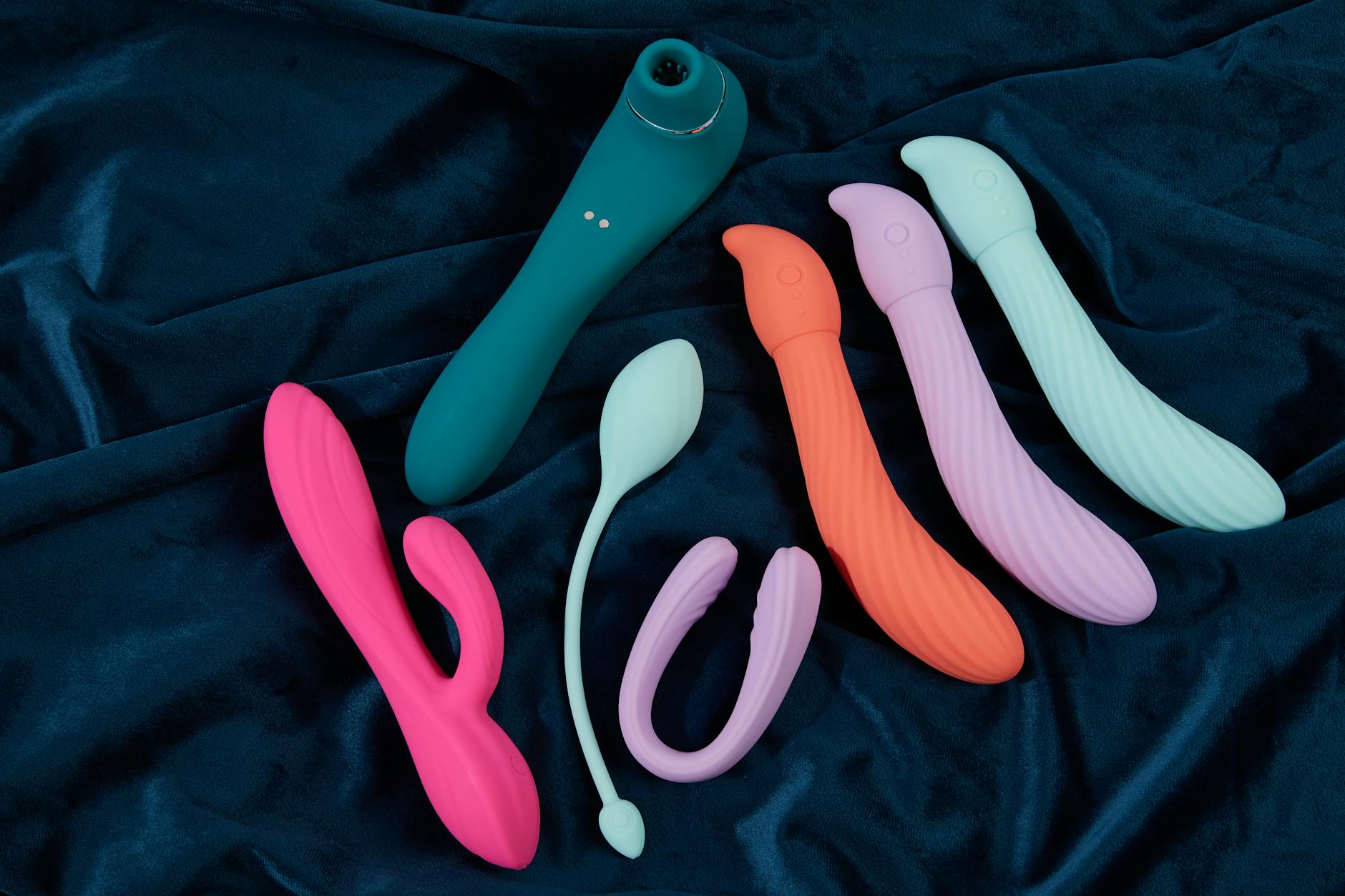
Let's be real about sexual anxiety and new tools
Sexual anxiety isn't a character flaw. It's a nervous system response that made sense at some point, and now it shows up whenever you're about to try something unfamiliar. Your body is trying to protect you. The problem is that protection often looks like freezing, numbing, or bailing before you've even started.
When you're anxious about your body or pleasure, introducing a new toy can feel like adding pressure to an already-tight situation. But here's what I've seen in my practice repeatedly: the right tool, approached the right way, can actually help your nervous system downshift. A lemon clitoral vibrator isn't just another gadget. The suction mechanism works differently than traditional vibration, and that difference matters when anxiety is in the room.
Why lemon vibrators feel different when anxiety is present
Traditional vibrators move in a buzzing, repetitive pattern. That rhythm can feel stimulating to some people and overwhelming to others. If your nervous system is already heightened, adding tremor on top of it can crank the intensity dial too fast.
Lemon vibrators use suction instead of vibration. Suction creates a gentle pulling sensation that engages nerve endings differently. It's less jarring, more rhythmic, and honestly? Many people find it easier to sink into when they're carrying anxiety. You're not being bombarded with sensation. You're being drawn in gradually.
There's also a psychological component. The lemon sucker design is playful and non-threatening. It doesn't look like what you might be imagining. That small detail matters when your brain is running threat-detection software on overdrive.
What actually happens the first time (without the hype)
If you're trying a Hello Nancy lemon vibrator for the first time with sexual anxiety, here's the realistic timeline:
Minutes 1-3: You'll feel cautious. You might turn it on at the lowest setting and immediately notice it's quieter than you expected. You might hold it away from your body for a moment, just getting used to the weight and feel of it in your hand. This is completely normal.
Minutes 4-10: As your body realizes nothing bad is happening, the nervous system usually starts to settle. You'll likely notice the suction sensation feels more localized than vibration. It pulls rather than shakes. This can feel safer because it gives your body clearer information about what's happening.
Minutes 11-20: If you stay with it, most people report that pleasure starts to build in a way that feels manageable. Not overwhelming. Not numb either. Just... present.
That arc isn't guaranteed. You might feel nothing. You might feel overwhelmed anyway. But more often than not, people are surprised by how gentle and navigable the experience actually is.
The setup that changes everything
Timing and environment matter more than most people admit. Here's how to stack the deck in your favor.
Start when you're not overstimulated. Anxiety peaks when your nervous system is already taxed. So don't try this after a stressful workday, after a fight with a partner, or when you're rushing. Pick a time when you're relatively calm and have 30-45 minutes with zero interruptions.
Make the space feel safe. Close the door. Put your phone in another room. Lower the lights slightly. You're not creating a spa experience for show. You're sending your nervous system clear signals that this is a protected time and place.
Charge the lemon vibrator beforehand. Fumbling with a dead device while trying to relax is counterproductive. Have it ready to go.
Wear clothes or underwear the first time, if that helps. Seriously. If full nudity feels like too much exposure, start clothed and just explore sensation through the fabric. There's zero rule that says you have to be completely bare on day one.
Start with lubricant, even if you think you might not need it. Anxiety often reduces natural lubrication, so having water-based lube on hand removes the friction (literal and emotional) of your body not responding the way you think it should. That's helpful information, not a failure.
How to actually turn it on without freaking out
Lemon vibrators usually have a few intensity settings. The mistake most anxious people make is going straight to medium or high because they think they need to "push through" to feel something.
Don't do that.
Always start at the lowest setting. Hold the lemon vibrator near (not on) your body first. Get used to the sound. Notice the sensation from a distance. Your nervous system needs time to recognize this as non-threatening.
When you're ready, apply it gently. You're not supposed to clamp it against your body. Light contact is enough. The suction does the work. You just guide it.
If the lowest setting feels like nothing, stay there for a few minutes anyway. Sensation often builds gradually when anxiety is present. Your body is learning that this is safe before it will agree to feel more.
What to do if anxiety spikes mid-exploration
Sometimes, even with the best setup, your nervous system will still send a panic signal. That's not failure. That's information.
If you feel your chest tightening, your breathing getting shallow, or an urge to bail, here's what actually helps: stop the vibrator (pause, don't necessarily turn it off), take three very slow breaths, and just sit with the sensation in your body for a moment. Don't try to push through it. Pushing through teaches your nervous system that pleasure isn't safe.
After three breaths, you can try again at a lower setting, or you can stop entirely. Both are valid. The goal isn't to orgasm today. The goal is to prove to your nervous system that sexual pleasure can be explored without danger.
Why this might feel surprisingly good, even with anxiety
Here's what I've observed clinically: suction-based stimulation from a lemon vibrator often feels less intimidating than people expect because it gives your nervous system a clear, steady signal. Traditional vibration can feel chaotic to an anxious body. Suction feels purposeful.
Also, the novelty works in your favor. Your brain is focused on processing a new sensation rather than spiraling into worry. That's actually a relief.
And honestly? Many people find that the first successful experience with a lemon clitoral vibrator when they have anxiety is genuinely empowering. Not because they had the most intense orgasm of their life, but because they proved to themselves that their body and pleasure aren't enemies.
The role of a partner (if you have one)
If you're in a relationship, you get to decide whether your partner is present during this first exploration. Neither choice is wrong.
If you want them there, tell them exactly what you need: "I'm going to try this lemon vibrator, and I might feel nervous. I'd like you to just be in the room, maybe reading or on your phone. Not watching, not commenting. Just present." Knowing they're nearby without scrutinizing can help some people feel safer.
If you want to do this alone first, that's equally valid. Solo exploration lets you tune into your own body without any performance pressure.
The key is that your partner (if applicable) understands that this isn't about them. This is about you rebuilding trust with your own pleasure.
Moving forward after the first time
After your first session with a Hello Nancy lemon vibrator, you might feel energized, depleted, curious, or nothing at all. All of those responses are normal.
The most important thing is not to judge the experience. You didn't "fail" if you didn't orgasm. You didn't "succeed" only if you did. You simply gathered information about what your body is capable of when you give it space and safety.
If you want to try again, wait until you feel genuinely curious rather than obligated. That curiosity is your nervous system's green light.
If sexual anxiety is persistent and gets in the way of your daily life or relationships, talking to a therapist who specializes in sex and anxiety is worth it. Tools like lemon vibrators are helpful, but they're not a substitute for addressing the underlying patterns that keep your nervous system locked in protection mode.
People Also Ask
Q: Can sexual anxiety go away completely with the right toy?
A: Tools help, but they're not magic. A lemon vibrator can change the experience of pleasure, yes, but it can't rewire the root causes of sexual anxiety by itself. If anxiety stems from past trauma, relational patterns, or chronic stress, that needs attention too. The vibrator is part of the solution, not the whole thing.
Q: What if I try a lemon vibrator and still feel nothing?
A: Numbness is actually common when anxiety is high. Your nervous system might be dampening sensation as a protective mechanism. If you feel nothing after a few sessions, that's worth exploring with a sex-positive therapist. It doesn't mean you're broken. It means your body needs a different approach.
Q: Is it normal to feel guilty using a lemon vibrator when you have a partner?
A: Yes, and it's often rooted in messaging you absorbed growing up about what pleasure "should" look like. Using a clitoral vibrator solo is not cheating. It's not a substitute for your partner. It's an extension of your right to explore your own body. If guilt persists, unpack that with a therapist or a trusted friend.
Q: How long does it take to feel comfortable with a lemon sucker?
A: For some people, the first session is enough. For others, it takes 3-5 sessions before the nervous system fully trusts the experience. There's no standard timeline. What matters is that you're not forcing it. If comfort isn't building after 5-6 tries, a different approach might serve you better.
Q: Should I use my lemon vibrator when I'm already anxious, or wait until I'm calm?
A: Wait until you're calm. Using it as a way to cope with acute anxiety or panic can teach your nervous system to rely on it as an escape valve. That's not sustainable. Use it during times of relative calm, when your goal is exploration rather than escape.
Q: Can a lemon clitoral vibrator help if medication is affecting my sensation?
A: Possibly, though it depends on the medication and the root cause. Some medications do dull sensation, and suction-based stimulation sometimes feels more effective than traditional vibration in those cases. But if medication is genuinely blocking pleasure, a conversation with your doctor is important too.
The real takeaway
Sexual anxiety is real, and it deserves real strategies, not dismissal. A lemon vibrator isn't a cure, but it can be a genuinely helpful part of rebuilding your relationship with pleasure when you approach it with patience and the right expectations.
Start low. Go slow. Let your nervous system surprise you.
If you want to explore more about using lemon vibrators for specific situations, you might find it helpful to read about how they work for rebuilding pleasure after a major life transition, or how suction differs from traditional vibration when you're using lubricant. And if you're navigating this with a partner, there's real value in understanding what to do when your partner has different sensitivity needs.
Your pleasure matters. Your nervous system matters. Take the time to honor both.