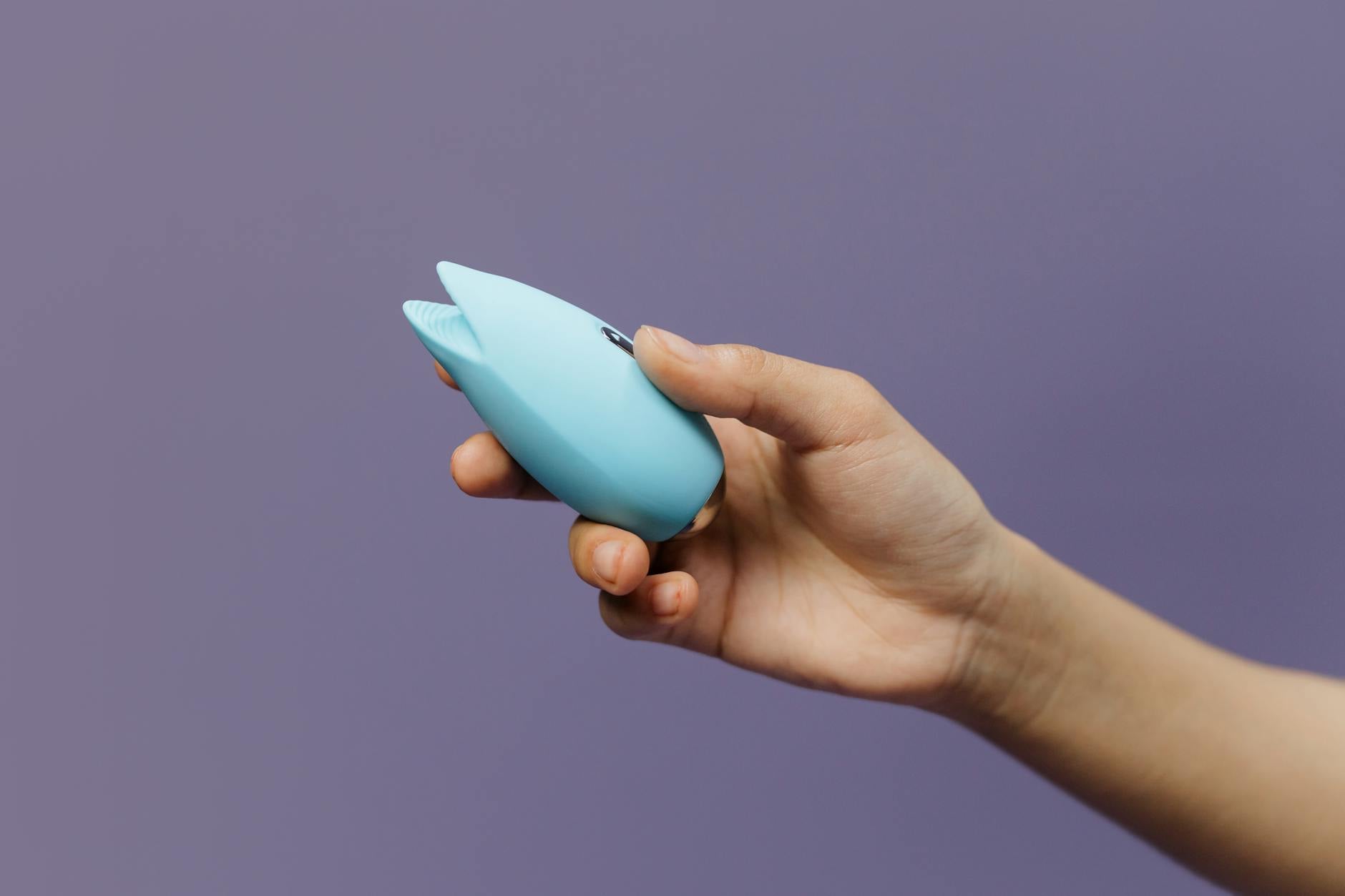
The honest truth about lube and suction toys
If you've used a lemon vibrator without lubricant and then tried it with lube, you noticed something shifted. The sensation didn't just get slicker. The intensity changed. The feeling of the seal changed. Maybe it felt muted, or sharper, or completely different in a way you couldn't quite name.
That's not your imagination. Lubrication fundamentally alters how a suction toy works. Understanding why means the difference between a mediocre experience and one that actually makes you come.
How suction actually works (and why lube matters)
Let's start with the physics. A lemon clitoral vibrator creates a seal against your skin, then uses gentle suction to stimulate the clitoris and surrounding tissue. That seal is everything. When the seal is perfect, the toy can create consistent suction pulses. When it's broken or compromised, the sensation becomes inconsistent and weaker.
Here's where lube gets tricky. Water-based lubricant sits between your skin and the silicone of the toy. This thin film can actually help the seal work better in some cases, especially if your natural moisture isn't quite enough. But here's the catch: too much lube, or the wrong type of lube, can break the seal entirely.
With a traditional vibrator, lube just makes things feel smoother. With a lemon sucker, lube becomes part of your toy's ability to do its job.
Water-based versus silicone-based: what actually happens
Water-based lube is your safest bet with a lemon vibrator. It's what I recommend to almost every client who asks. Here's why: water-based formulas thin out as they warm up, which means they won't create a thick barrier that prevents suction from building. They also dissolve gradually, which works with the toy's rhythm instead of against it.
Silicone-based lube feels luxurious and lasts longer. But it also creates a slicker, more stable barrier between your skin and the silicone. For some people, this means the toy never quite builds the suction intensity they want. For others, it actually deepens the sensation by creating more consistent contact. The difference depends on your skin's sensitivity and how much natural lubrication you produce.
Here's what I tell people: if you're starting out with a lemon vibrator and lube is new to you, pick water-based first. Once you know what the toy feels like with minimal lubricant, you can experiment with silicone-based formulas and notice the actual difference.
The amount of lube changes everything
This is where most people go wrong. They apply lube like they're prepping for penetration. That's not the move with a suction toy.
For a lemon clitoral vibrator, you want a thin layer. Think a light glaze, not a coating. Apply it around the rim of the toy where it creates the seal, and a small amount to your clitoris. That's it. You can always add more, but you can't easily remove lube once you've started.
If you apply too much, here's what happens: the seal breaks repeatedly. The suction becomes weak and inconsistent. The toy might slip around instead of staying put. You end up chasing a sensation that keeps disappearing.
If you apply just enough, the lube fills in tiny gaps in your skin's texture, helps the seal hold stronger, and actually increases the intensity of the sensation. Most people are shocked by this when they experience it.
When lube actually improves your lemon vibrator experience
There are specific moments when lubricant genuinely makes your lemon sucker work better. If your natural lubrication is minimal (which happens at certain points in your cycle, or during stress, or as a side effect of certain medications), a small amount of water-based lube helps the toy create a proper seal instead of struggling.
If you're someone dealing with clitoral sensitivity that makes direct contact uncomfortable, lube acts as a buffer. It lets the suction do the work without the intensity feeling quite so sharp. You get stimulation without the edge.
If you're using your lemon vibrator for longer sessions, you might notice your natural moisture fluctuates. Adding a tiny bit of lube midway through keeps the seal consistent and prevents that weird moment when everything suddenly feels different.
Like any pleasure tool, there's a learning curve. The first time you use lube with a lemon clitoral vibrator, pay attention to how much you're using and how it changes the sensation. That information becomes your baseline.
The comeback story: lube after medication or hormonal shifts
If you're navigating changes to your body from medication, hormones, or life transitions, lubricant becomes even more important. When your natural lubrication decreases, the physical friction between your toy and your skin increases. With a traditional vibrator, this might just feel less comfortable. With a lemon sucker, it can actually prevent the seal from forming at all.
I've worked with clients who thought their lemon vibrator had stopped working after starting birth control or antidepressants. Most of the time, the toy was fine. Their body's natural lubrication had changed, breaking the seal the toy needed to function. A tiny bit of water-based lube solved it entirely.
This is also why proper lube matters more than you'd think when you're rebuilding pleasure after hormonal changes. You're not trying to compensate for a problem with your body. You're removing a practical barrier so the tool can work the way it's designed to work.
Oil and silicone toys: the one combo to avoid
Don't use silicone-based lube with a silicone toy. Full stop. Silicone-on-silicone breaks down the toy's material over time. It might not happen immediately, but repeated use will eventually compromise your lemon vibrator's integrity.
Oil-based lube (coconut oil, almond oil, whatever) has the same problem. Oil and silicone don't mix well. Stick to water-based for your lemon clitoral vibrator, and your toy will last.
If you love the feel of silicone-based lube, there are alternatives. Look for lube that's specifically formulated for silicone toys. It's worth the few extra dollars.
Finding your personal lube sweet spot
Your lube preference probably isn't fixed. It changes with your cycle, your stress levels, what medications you're taking, even the time of day. What feels amazing on Tuesday might feel too heavy on Thursday. That's not a sign something's wrong. It's just your body being variable.
The trick is to have options. Keep a small bottle of water-based lube on hand for everyday use. If you find you love a particular texture or feel, that's valuable information about what your body responds to. Some people discover they prefer a thicker, more slippery formula. Others want something minimal. Neither is right or wrong.
With a lemon sucker specifically, less is almost always more. Start minimal and add only if you genuinely need it. This approach helps you actually feel what the toy is designed to do, rather than chasing sensations through layers of lubricant.
Your pleasure deserves this kind of attention. Understanding how lube changes your lemon vibrator's performance is part of actually using the tool correctly.
Frequently Asked Questions
Can I use my lemon vibrator without any lubricant at all?
Yes, absolutely. Most people using a lemon clitoral vibrator find their body produces enough natural lubrication during arousal to create a proper seal. If you're not experiencing a strong enough sensation, that's when you might add a tiny bit of water-based lube. But starting without lube is fine, and many people prefer it that way because the sensation feels more direct.
Why does my lemon sucker feel less intense when I use lube?
Too much lube breaks the seal the toy needs to create suction. If you're noticing decreased intensity, try using significantly less. Most people use about five times more lube than they actually need with a suction toy. A light glaze around the toy's rim and a small amount on your clitoris is usually the right amount. If you're still experiencing weak sensation with minimal lube, you might benefit from a thicker water-based formula that holds its consistency better.
Is water-based lube safe to use with silicone toys?
Completely safe. Water-based lube is designed to work with silicone. It won't degrade the material, and it washes off easily. This is why water-based is the gold standard for lemon vibrators and most silicone adult toys. Just make sure you're choosing a lube specifically labeled water-based, not oil-based or silicone-based.
What if I'm sensitive to certain lube ingredients?
Some people react to glycerin, parabens, or other common lube additives. If you notice irritation after using lube, look for a simpler formula. Brands that make hypoallergenic or "sensitive" water-based lubes exist specifically for this reason. Your clitoris and vulva have sensitive skin. If standard lube bothers you, it's worth finding an alternative rather than just accepting discomfort.
Should I reapply lube during a longer session with my lemon clitoral vibrator?
Maybe. If you're having a long session, you might notice the lube starts to absorb into your skin or evaporate. If the sensation suddenly feels different or the seal seems less strong, that's a sign you can add a tiny bit more. Again, think glaze, not coating. The goal is consistency in how the toy feels, not a constantly wet surface.
Does lube help if my clitoris feels numb or unresponsive?
Not directly. Lubricant helps the toy work mechanically, but if your clitoris isn't responding to stimulation, that's usually a separate issue related to sensation, medication, hormones, or stress. Lube might help you feel subtle sensations more clearly because it improves the seal, but it's not a fix for numbness itself. If you're dealing with low sensation, the lemon vibrator's suction mechanism is actually particularly helpful because it stimulates in a way that penetrating vibration alone often can't replicate.
The real takeaway
Lubricant isn't a hack or a workaround. It's a tool that changes how your lemon sucker works. Understanding that difference gives you control over your own pleasure. You're not guessing. You're making informed choices about what your body needs in a given moment. That's the whole point of actually knowing how your tools work.