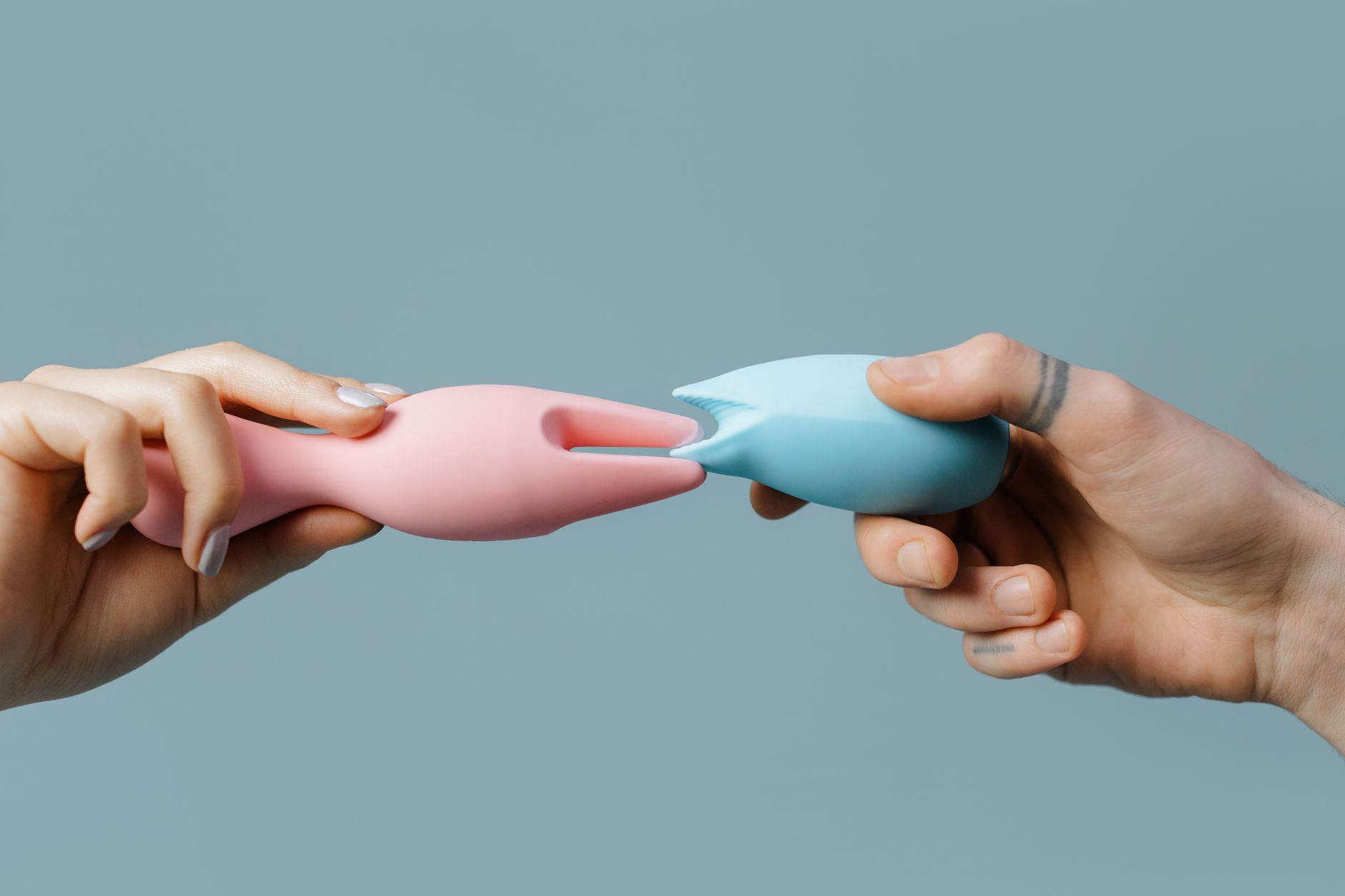
Low libido doesn't mean your body is broken
Let's be real. When desire tanks, the impulse is to assume something is fundamentally wrong with you. That you're broken, aging out of pleasure, or that your body has betrayed you. None of that is true, and I want to untangle what's actually happening so you can rebuild sensation in a way that actually works.
Low libido is almost never about your capacity for pleasure. It's about access to it. And lemon clitoral vibrators can be a powerful bridge between where you are now and where you want to be.
The neuroscience of sensation and why low libido feels so stuck
Your clitoris has 8,000 nerve endings packed into a space smaller than a pea. When arousal is low, those nerves aren't getting the activation they need. You're not broken. You're just understimulated.
Here's the chain reaction that happens when desire is absent: your brain downregulates sexual signaling. Your body doesn't prepare for arousal the way it normally would. Lubrication takes longer or doesn't arrive at all. The clitoral tissue doesn't swell. Nothing feels responsive, so you stop trying, and the neural pathways for pleasure quiet down even more.
It's a feedback loop. And the only way out is deliberate, consistent activation of those pathways again.
That's where a lemon vibrator enters. It's not magic. It's neuroscience. The suction-and-vibration mechanism of a lemon clitoral vibrator stimulates those 8,000 nerve endings at an intensity your hand alone probably can't match. When you use one regularly, even without "trying" to get aroused, you're training your nervous system to wake back up.
Why suction vibrators work differently than other toys
Most vibrators rely on buzz and friction. That works great for some people, but when libido is already low and sensation feels muted, friction can feel exhausting. You need to work harder, use more pressure, and often feel nothing anyway.
A lemon clitoral vibrator works through gentle suction combined with vibration. This two-part approach is different. Suction creates a seal that draws blood and sensation into the tissue. The vibration amplifies that signal to your nervous system. Together, they create stimulation that feels present without feeling aggressive.
For people with low libido, this matters hugely. You're not forcing your body. You're inviting it back online.
How to rebuild sensation with a lemon vibrator
Start with low expectations. The goal is not orgasm. The goal is sensation. Pleasure that registers. Anything you feel is progress.
First week: exploration mode. Use your lemon vibrator for 10-15 minutes, alone, with no orgasm target. Start at the lowest setting. Let yourself notice what you feel. Some people feel nothing the first time. That's normal. Your nervous system might need a few sessions to remember how to respond.
Second week: pattern recognition. Keep using it, same low intensity. Notice which pattern (if available) creates the most pleasant sensation. Does suction alone feel better? Does vibration help? Are there specific spots on the clitoris that respond?
Third week: build consistency. Three times a week, minimum. Your brain and body learn through repetition. Consistent use rewires the neural pathways that support desire. After two to three weeks, many people report that sensation returns. That things feel more responsive.
Fourth week onward: explore intensity. Once you're feeling something again, you can gently play with higher settings. But don't rush this. The goal is sustainable pleasure, not chasing intensity.
The role of relaxation and safety in rebuilding desire
Here's what sabotages people: using a lemon vibrator with the same pressure and urgency they bring to everything else. You sit down with a goal. You set a timer. You tell yourself this has to work. And your nervous system shuts down.
Low libido usually arrives with stress, anxiety, relationship strain, or a major life transition. Using a lemon vibrator won't fix those things. But combining it with genuine rest and safety will unlock it faster.
Before you use a lemon vibrator, create a small container of safety. This might mean 15 minutes without your phone. A locked door. Music that helps you relax. Some people light a candle. Others just lie down in a cool room.
The nervous system responds to safety. When you feel safe, arousal becomes possible. When you're in threat mode, sensation shuts down every time.
When low libido is a sign of something else
Low libido driven by low hormone levels, medication side effects, or relationship disconnection won't be solved by a vibrator alone. But a lemon clitoral vibrator can still help you rebuild the sensory pathways while you address the root cause.
If your low libido came after starting an antidepressant, antipsychotic, or blood pressure medication, talk to your doctor about adjustment or timing. Some medications suppress desire at the neurochemical level, and a vibrator is working against biology. Sometimes a small dose adjustment unlocks everything. Sometimes switching to a different medication helps. The vibrator is a tool while you solve the medical piece.
If your low libido is tied to relationship disconnection, a vibrator can help you rebuild your individual relationship with pleasure, which is actually a step toward rebuilding partnered pleasure too. You need to know your own body and your own capacity for sensation before you can show a partner how to access that with you.
If your low libido feels tied to depression, grief, or trauma, start there. A lemon vibrator can be part of your recovery, but it's not the starting point. Work with a therapist first, and then layer in tools like a vibrator once you have support in place.
The partner conversation around rebuilding desire
If you're in a relationship, your partner will notice when you start using a lemon vibrator. The conversation matters.
You're not saying "I need this because you're not enough." You're saying "I'm rebuilding my own relationship with sensation. I want to feel responsive again. This is for me first, and us eventually."
A lemon clitoral vibrator is a solitary tool. You need to use it alone for at least a few weeks to let your nervous system remember what pleasure feels like without performance pressure. After that, you can introduce it to partnered sex if you want to. But the solo work comes first.
If your partner resists, that's a separate conversation, and it's worth having. How to Introduce a Lemon Vibrator When Your Partner Is Hesitant walks through that dynamic in detail.
Practical setup tips for consistent use
Consistency is where most people fail. Not because lemon vibrators don't work, but because life gets in the way.
Store your lemon vibrator somewhere you'll see it. Not hidden. Visible. Your brain needs the reminder that this is part of your self-care routine, like flossing or stretching. If you have to dig through a drawer, you won't do it.
Pick a time of day when you're most relaxed. For some people that's right before bed. For others it's a lazy Sunday morning. Find when you're least depleted and most likely to have 15 minutes of genuine quiet.
Use a water-based lubricant. Even if you don't think you need it. Even if sensation is returning. Lubrication helps the suction mechanism work better and protects delicate tissue. It's not a band-aid. It's a tool that makes everything work more smoothly.
Charge it regularly. Keep it charged so there's no friction between "I want to use this" and "it's dead." Dead batteries kill momentum faster than anything else.
When to bring in professional support
If you've been using a lemon vibrator consistently for six weeks and sensation hasn't returned at all, that's a signal to see a doctor. Low libido paired with complete numbness can point to circulatory issues, hormone imbalance, or neurological changes that need clinical attention.
If low libido came with other symptoms like fatigue, weight changes, mood shifts, or sleep disruption, get your thyroid and hormone levels checked. Low libido is often the first sign of something your body is trying to tell you about.
If your low libido is tied to relationship pain or emotional disconnection, How to Use a Lemon Vibrator When Desire Feels Disconnected From Your Partner explores that territory. But you might also benefit from talking to a couples therapist or relationship coach. I say this professionally: a lemon vibrator won't fix relationship rupture, but it can be part of your toolkit while you do the relational work.
The long game: pleasure as nervous system regulation
Here's what changes over time. Using a lemon vibrator consistently doesn't just rebuild your capacity for orgasm. It teaches your nervous system that pleasure is safe. That sensation is available. That your body is capable of feeling good.
That rewiring has ripple effects. You sleep better. You have more energy. You feel more present in your relationships because you're not carrying the weight of "I'm broken" anymore.
You're not. You were just understimulated. And a lemon clitoral vibrator is a remarkably efficient way to change that.
Frequently asked questions
How long does it take for sensation to return with a lemon vibrator?
Most people report some shift in sensation within two to three weeks of consistent use. Complete restoration of arousal and desire can take longer, sometimes eight to twelve weeks depending on the root cause of the low libido. The key is consistency, not intensity. Three times a week, every week, will get you there faster than sporadic marathon sessions.
Can I use a lemon vibrator if I'm on antidepressants?
Absolutely. Many antidepressants suppress sexual desire and sensation as a side effect. A lemon clitoral vibrator can help you rebuild sensation and pleasure while you're on medication. That said, talk to your doctor about whether a medication adjustment might help too. Sometimes timing doses differently or switching to a different class of antidepressant improves libido without sacrificing the mental health benefits. You don't have to choose between mood stability and pleasure, but you might need to optimize with your prescriber.
Is it normal to feel nothing the first time I use a lemon vibrator?
Completely normal. Your nervous system might need a few sessions to wake up and start responding. Keep using it without pressure. Think of it as a conversation with your body, not a performance. If you feel nothing after five sessions, try different settings, different times of day, and different relaxation setups. If nothing shifts after three weeks, check in with a doctor to rule out neurological or circulatory issues.
Should I use a lemon vibrator alone or with my partner when rebuilding desire?
Alone first. Definitely. You need to let your own nervous system come back online without the pressure of partner expectations or performance. After two to three weeks of solo use, you can explore introducing it to partnered sex if you want to. But the solo foundation comes first. How to Use a Lemon Clitoral Vibrator for Better Orgasms With a Partner digs into the partner piece once you're ready.
Can a lemon vibrator actually change libido or is it just temporary stimulation?
It does both. In the immediate moment, it stimulates your clitoris and creates sensation. Over time, consistent use rewires the neural pathways that support desire. Your brain literally starts producing more sexual neurotransmitters when you use a lemon vibrator regularly. It's not just a band-aid. It's a tool for actual nervous system change. That said, if low libido is rooted in relationship disconnection, trauma, or severe depression, you'll need to address those things too. The vibrator is powerful, but it's not magic.
What makes a lemon vibrator better than other clitoral vibrators for low libido?
The suction mechanism. Most vibrators rely entirely on buzz and friction. When sensation is already muted, friction can feel exhausting. Lemon clitoral vibrators use suction to draw blood and feeling into the tissue, combined with vibration. That two-part approach creates stimulation that feels gentler but more responsive, which is exactly what a low-libido nervous system needs. You get sensation without fighting for it.
Here's what rebuilding pleasure actually takes
Low libido is real, and it's frustrating. But it's not permanent. Your body hasn't forgotten how to feel. It's just gone quiet. A lemon clitoral vibrator, used consistently and with genuine relaxation, can bring that sensation back online faster than almost anything else.
Start small. Set no orgasm goals. Create safety. Use it regularly. And give yourself permission to rebuild pleasure on your timeline, not anyone else's. Your sensation matters. Your desire deserves to return. And it can.
If you're stuck or unsure where to start, reach out. We're here to help.