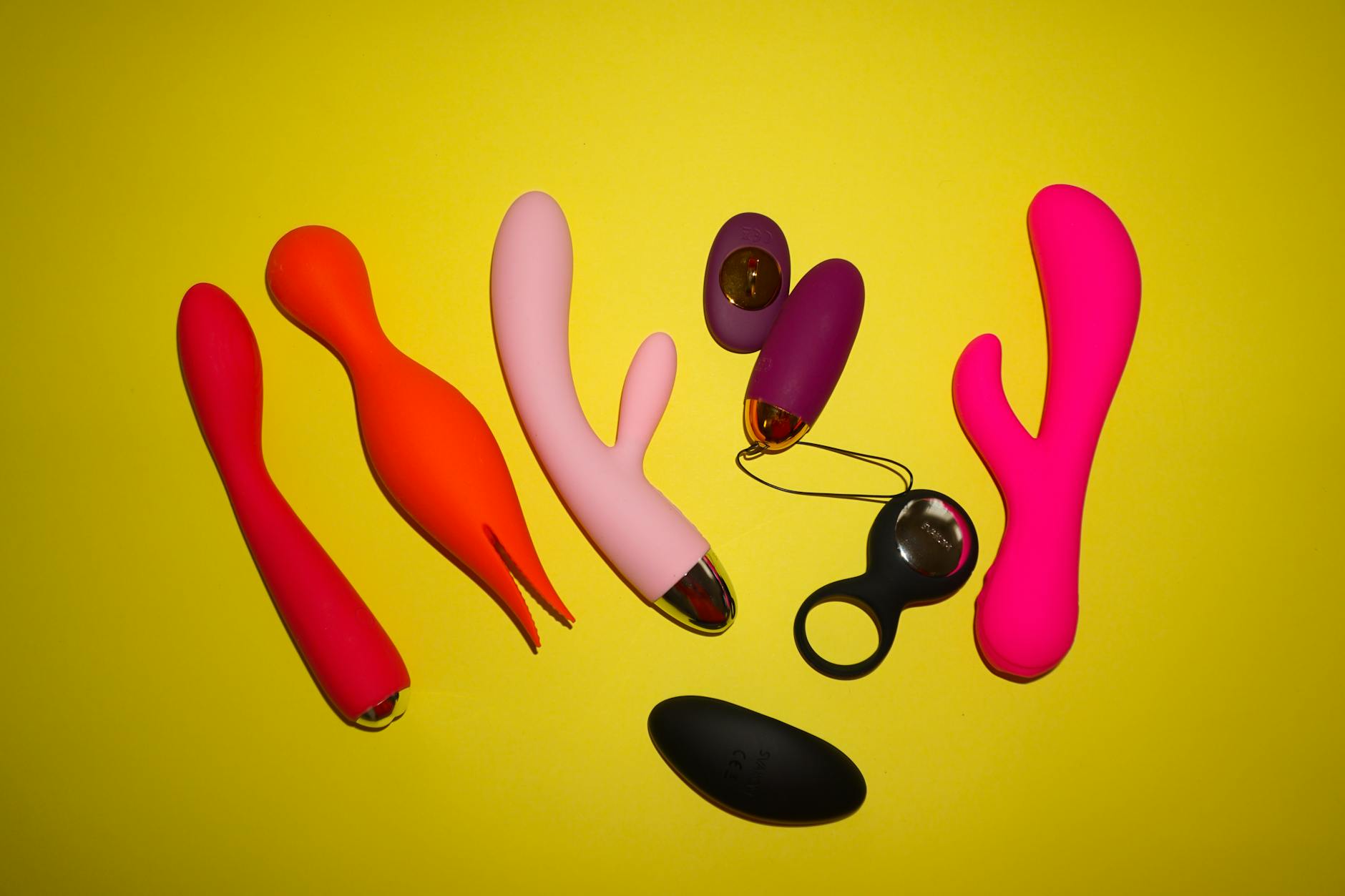
Here's the thing nobody tells you about vibration
Turn on a traditional vibrator at high intensity and your clitoris goes numb in about ninety seconds. Not because you're broken. Because that's what happens to nerve endings when they're hit with the same stimulus over and over. It's called sensory adaptation, and it's the reason many people end up chasing higher and higher speeds, only to feel less and less.
Lemon vibrators work differently. They use suction and gentler pulsing patterns instead of intense oscillation, which means your nerve endings stay engaged instead of shutting down. The result: sustained arousal, longer pleasure, and orgasms that don't require you to white-knuckle your way through numbness.
Why direct vibration numbs you out so fast
Your clitoris has about 8,000 nerve endings packed into a space smaller than a pea. When a traditional vibrator makes direct contact at high frequency, those nerves fire rapidly. After sustained exposure, they stop responding as sharply. Your brain gets less signal. You feel less sensation. So you increase the speed or pressure, which speeds up the adaptation cycle. It's a downward spiral.
This isn't a personal failing. It's neurobiology. The clitoris is exquisitely sensitive precisely because it's evolved to detect subtle changes in sensation. That sensitivity becomes a liability when you're applying relentless direct friction.
The clinical term for this is sensory gating. It's a protective mechanism. Your nervous system essentially says, "Okay, I've registered this stimulus, I'm shutting down response to it now." Useful for ignoring background noise. Terrible for maintaining pleasure during sex.
How suction-based stimulation avoids the numbness trap
Lemon vibrators use a mechanism called pneumatic pulse technology. Instead of buzzing directly against tissue, they create a gentle seal around the clitoral area and pulse that suction on and off. It's fundamentally different from vibration because it engages nerve endings without exhausting them.
Think of it like the difference between a constant hum and a rhythm. A rhythm has peaks and valleys. Your nerves respond to the changes, not just the stimulus itself. Suction-based lemon vibrators hit different nerve pathways than direct vibrators, which is why you can use them for longer without that numb, worn-out feeling.
Research on suction devices shows users report sustained sensation even after 20-30 minutes of continuous use. The same study on traditional vibrators found significant sensory adaptation after 10-15 minutes.
The pattern variations matter more than the power
One reason lemon vibrators shine for people prone to overstimulation: they offer varied pulsing patterns instead of a single intensity spectrum. Where a traditional vibrator goes from "gentle" to "jackhammer," lemon vibrators might offer patterns that slow down, speed up, or change rhythm altogether.
Your nervous system responds better to novelty. When the stimulus changes, your nerves re-engage. When it stays the same, they tune out. This is why people who felt numb on traditional vibrators often report that lemon vibrators feel fresh, surprising, sometimes almost new again.
If you've been using the same vibrator for years, your body has adapted to it. Switching to a lemon clitoral vibrator with different stimulation patterns can reset that adaptation in weeks.
What overestimulation actually does to your body
Beyond numbness, chronic overstimulation can cause temporary irritation. Your tissue gets red, maybe a little swollen. This isn't dangerous, but it makes pleasure harder to access for a day or two afterward.
With suction-based stimulation, this happens much less often. Because you're not creating the same friction and heat, tissue stays calm. Your clitoris stays responsive day to day.
This matters especially if you have a regular partner or a frequent solo practice. If you're numbed out and irritated every other day, you're spending most of your sexual life in recovery mode instead of pleasure mode.
How to transition if you've been using high-intensity vibrators
Your clitoris is adaptable, but retraining it takes patience. Here's what works.
Start with the lowest setting on your lemon vibrator. Seriously. People used to heavy vibration always jump straight to medium intensity and feel disappointed. That's not fair to yourself or the toy. The suction works at low intensity in ways a traditional vibrator doesn't.
Budget 10-15 minutes for the first few uses. Let your body remember what subtle sensation feels like. You might feel frustrated. That's adaptation talking. Stick with it.
After a week or two of regular use at lower intensities, your sensitivity will return. You'll notice you feel more in your whole pelvic floor, not just your clitoris. That's the system recalibrating.
Once you've reset, you can explore higher intensities without the same crash into numbness. You're starting from a place of baseline sensitivity instead of baseline exhaustion.
The role of lubrication and comfort
Lemon vibrators actually perform better with lubrication because the seal works more effectively and feels smoother against tissue. A water-based lube is best.
With traditional vibrators, lube sometimes dampens the sensation people are chasing. With suction toys, lube enhances the experience. This is one of those counterintuitive things that makes a huge difference once you understand it.
If you're transitioning from traditional vibrators and feeling self-conscious about needing lube, remember this: the toy works better with it. You feel better with it. That's not a sign of dysfunction. It's smart design.
Common questions about switching to suction-based toys
I often hear the same concerns from people considering lemon vibrators after years of traditional toys. Here they are, straight.
Will I feel weird pleasure with a different stimulation style? Honestly? Yes, at first. Different doesn't mean worse. It often means surprising in a good way. Many people report their strongest orgasms come once they adjust to suction stimulation. Give yourself permission to feel something new.
Can I use a lemon vibrator if I have a very sensitive clitoris? This is actually the exact use case they're built for. Sensitivity and overstimulation go hand in hand. The gentler mechanism means less risk of that raw, irritated feeling.
What if I like intense vibration? You can still have it with lemon vibrators, just not at the cost of numbness. The patterns offer intensity through rhythm and variation instead of sheer power. Many people who thought they "needed" power discover they actually needed novelty and variability.
FAQ: Your questions answered
Why does direct vibration numb the clitoris faster than suction does?
Direct vibration overwhelms the same nerve pathways repeatedly, triggering sensory adaptation. Your nervous system essentially stops responding to a constant stimulus. Suction works differently because it engages different nerve endings and provides rhythmic variation. That variation keeps nerves engaged instead of fatigued.
Can I use a lemon vibrator if I've developed numbness from other toys?
Yes, and it's often the best solution. Numbness is reversible. By switching to a gentler, varied stimulation pattern, your sensitivity typically returns within 1-2 weeks of regular use. Starting at lower intensities is key.
How long can you use a lemon vibrator before feeling numbness?
Most people report sustained sensation for 20-30 minutes at a stretch, even with frequent use. That's roughly double the timeframe for traditional vibrators. This varies by individual sensitivity and the specific pattern being used.
Is suction-based stimulation less intense than vibration?
It's a different kind of intensity. It doesn't feel like power, it feels like pressure and rhythm. Once you're adjusted, many people find suction more intensely pleasurable because it doesn't come with that numbing burnout.
Can I use a lemon vibrator with my partner, or is it only for solo play?
Absolutely with a partner. In fact, if you've been experiencing overstimulation during partnered sex, switching to a lemon vibrator can completely change that dynamic. The varied patterns and lower likelihood of numbness means you're more present and responsive. That benefits everyone involved.
What if my clitoris is so sensitive that even low-intensity vibration feels like too much?
Suction at the lowest setting is gentler than you'd expect. Many people with severe sensitivity find that the seal-and-release pattern actually feels soothing rather than jarring. You might also try using the vibrator through underwear or with an extra layer of fabric between the toy and your skin for the first few sessions.
The bottom line
Clitoral overstimulation isn't a sign that you're broken or too sensitive. It's what happens when a powerful stimulus is applied repeatedly to an exquisitely sensitive area. Lemon vibrators and other suction-based clitoral toys offer a completely different mechanism that avoids the numbness trap altogether.
If you've spent years feeling numb, frustrated, or like you need increasingly intense stimulation to feel anything, a lemon vibrator might reset your entire experience. Your body can relearn sensitivity. It just needs the right kind of stimulation to do it.
Want to talk through whether a lemon vibrator is right for your body? Reach out to us. We're here to help you find the tool that actually works for you, not the one everyone else is using.
Resources
- Komisaruk, B. R., & Whipple, B. (2005). Functional MRI of the brain during orgasm in women with complete spinal cord injury. Progress in Brain Research, 152, 127-141.
- Meston, C. M., & Frohlich, P. F. (2000). The neurobiology of sexual function. Archives of General Psychiatry, 57(11), 1012-1030.
- Pfaus, J. G. (1996). Frank A. Beach lecture. Homologies of intromission, ejaculation, and other sexualities in animals and humans. Hormones and Behavior, 30(3), 264-288.