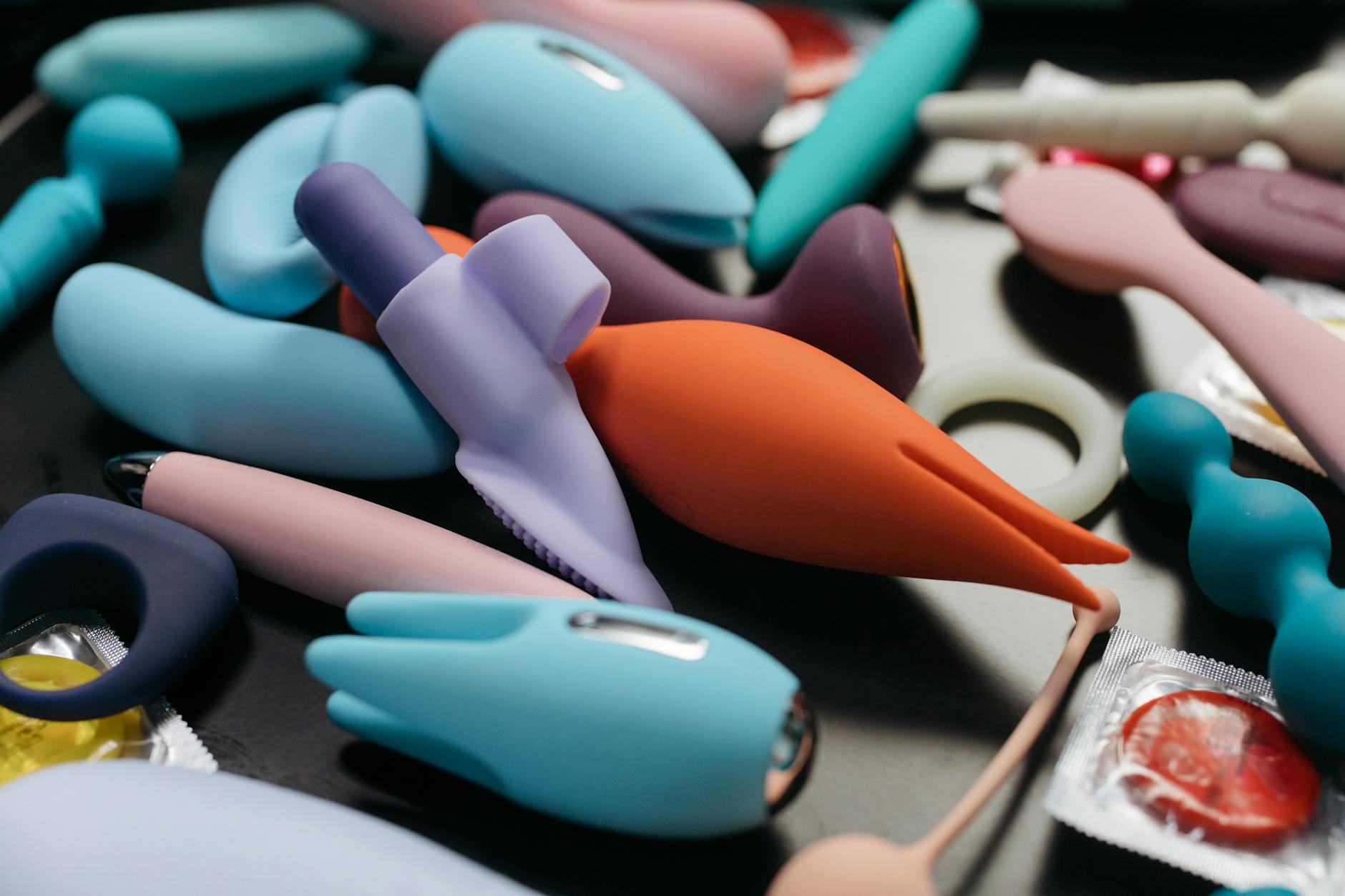
Let's be real about vibration
There's a good chance you've used a traditional vibrator. You know the feeling: a buzzing sensation that starts strong and either builds into orgasm or... doesn't. It works for some people, some of the time. But if you're reading this, it probably doesn't work reliably for you.
Here's the thing: traditional vibration is actually a fairly blunt instrument. It sends a steady, repetitive signal to your nerve endings, and your body gets used to it fast. After a few minutes, the sensation dulls. You push harder, add friction, shift angles. None of it recaptures that initial spark.
Lemon vibrators work differently. And I mean physiologically different, not just aesthetically different.
How suction changes the game
Instead of vibration, lemon clitoral vibrators use suction. The technology creates a gentle pulse of pressure and release around the clitoris, mimicking the sensation of oral sex without the jaw fatigue.
Why does this matter neurologically? Your clitoris has about 8,000 nerve endings. Traditional vibration stimulates them through oscillation (back-and-forth movement). Suction stimulates them through pressure differential and micro-movements. These are two separate neural pathways.
Think of it this way: a vibrator is like tapping on a door. A lemon sucker is like opening and closing it. One creates repetitive surface stimulation. The other creates dynamic, variable stimulation that your nervous system doesn't habituate to as quickly.
Most people report that suction feels less desensitizing than vibration. You can use it for longer without needing to take breaks.
Why intensity feels different with suction
There's a common misconception that suction is "gentler" than vibration. It's not. It's differently intense.
Traditional vibrators work by frequency. Higher Hz equals more vibrations per second. But frequency hits a ceiling—your body stops noticing the difference after a certain point. Many people max out around 7,000 Hz because the nerve impulses simply can't fire faster than that.
Suction doesn't rely on frequency. It relies on pressure and rhythm. The sensation is concentrated on the clitoral head and the surrounding tissue simultaneously. Because it's not a buzzing sensation, it bypasses some of the desensitization mechanisms that vibration triggers.
Translation: you can feel it working harder without the numbing effect.
The control factor
One thing I hear repeatedly from people switching to a lemon clitoral vibrator is how much control they gain.
Traditional vibrators usually offer 3 to 7 intensity settings. You pick one, and it stays steady. Lemon vibrators offer suction patterns—varying rhythms and pressure intensities. Some include pulsing modes that mimic orgasmic contractions, not just steady stimulation.
This matters because your pleasure doesn't follow a straight line. You need light, teasing touches at first. Then sustained pressure. Then fast, focused pulses. Then maybe lighter touch again.
With traditional vibration, you're either on or off, buzzing or not. With suction-based stimulation, you're modulating. That control transforms the experience from passive (turning something on and waiting) to active (partnering with the device).
Sensation mapping and personalization
Every clitoris is shaped slightly differently. Some are more external, some more hooded. Some respond best to direct stimulation, others prefer indirect touch on the surrounding tissue.
Traditional vibrators are rigid. They vibrate everything they touch at the same frequency and intensity. If the angle is wrong or the vibration pattern doesn't match your anatomy, you're out of luck.
Lemon vibrators offer more flexibility because suction creates a gentle seal. The sensation adapts to the shape of your body rather than forcing your body to adapt to the device. The opening of the suction cup can stimulate a wider area, allowing you to find exactly the spot that works for you.
This is especially helpful for people who have struggled with traditional vibrators feeling too localized or too intense on specific trigger points.
Why lemon suction works for sensitive bodies
If you have experienced numbness, desensitization, or pain from traditional vibration, a lemon clitoral vibrator often feels completely different. Not just subjectively. Neurologically.
Vibration can trigger something called temporal summation in your nervous system. Basically, repeated stimuli at high frequency start to feel unpleasant or numb after sustained use. You're not broken. Your nervous system is just following its normal adaptation pattern.
Suction doesn't trigger this adaptation as quickly because the stimulus isn't repetitive in the same way. The pressure and release pattern creates novelty for your nervous system. That novelty keeps the sensation sharp and pleasurable instead of dull and fatiguing.
For people managing nerve sensitivity, chronic pain, or previous genital trauma, this distinction can be life-changing. You can finally feel pleasure without the shutdown response that traditional vibration triggered.
The comparison people miss
Here's what most comparisons between lemon vibrators and traditional vibrators get wrong: they treat it like choosing between chocolate and vanilla. Personal preference, no objective difference.
Actually, there's a real neurological difference. Suction-based stimulation and vibration-based stimulation travel through different neural pathways, activate different nerve endings, and create different adaptation patterns in your nervous system.
Neither is "better" universally. But for most people, suction offers more sustained pleasure, faster orgasm onset, and more reliable intensity.
The pattern preference factor
One more thing: patterns matter more than raw power with suction.
Traditional vibrators lean into raw intensity because that's all they can offer—faster and faster buzzing. Lemon vibrators lean into rhythm. Slow builds, pulses, waves, stutter patterns. These rhythmic variations feel more organic to your nervous system because they mimic natural pleasure responses.
When you see the best reviews for lemon clitoral vibrators, people aren't raving about the intensity. They're raving about how the patterns feel alive, how they can sustain pleasure for longer, how they finally had an orgasm that felt like their body was in control instead of fighting the device.
That's not marketing language. That's the difference between two stimulus types activating your body in fundamentally different ways.
When traditional vibration still works
I should be clear: traditional vibration isn't bad. It works great for some people and in some scenarios. If you're using a clitoral vibrator during penetrative sex, sometimes the right vibration intensity and angle is exactly what you need to reach orgasm.
But if you've ever felt like traditional vibration numbs you out, desensitizes you, or just doesn't deliver the sustained pleasure you're looking for, switching to suction-based stimulation often reveals that the problem wasn't you. It was the stimulus type.
Making the switch
If you're considering trying a lemon clitoral vibrator for the first time, start at a lower suction intensity. Suction feels more intense than it actually is because the sensation is so concentrated. You'll find your sweet spot faster than you think.
Give it a few sessions. Your body needs time to learn how to respond to a new stimulus type. After a week or two of exploration, you'll know whether suction is your thing or whether you're a traditional vibration person. Most people find they prefer one or the other depending on their mood and what they're looking for.
The whole point of pleasure is matching the right tool to your body. Sometimes that's vibration. Often, it's suction.
People also ask
How quickly do lemon vibrators typically create an orgasm compared to traditional vibrators?
Most people report faster orgasm onset with suction-based stimulation, often within 5 to 10 minutes compared to 10 to 20 minutes with traditional vibration. That said, orgasm timeline depends hugely on arousal level, stress, and personal response. The real advantage isn't speed—it's consistency. People report more reliable orgasms across sessions with lemon clitoral vibrators because desensitization happens more slowly.
Can you use a lemon vibrator with a partner, or is it better for solo play?
Absolutely. Many couples use lemon vibrators together during foreplay or penetrative sex. In fact, because suction-based stimulation creates less numbing than vibration, some people find they're more present and responsive when using it with a partner. <a href="/blog/lemon-vibrators-relationship-intimacy-how-couples-use-together">Couples often report deeper connection when exploring suction together</a> because there's less of a shutdown response interrupting intimacy.
Do lemon suction vibrators work if you have less sensation or numbness?
Yes, often better than traditional vibration. Because suction activates different neural pathways than vibration, people with genital numbness or reduced sensation sometimes respond well to lemon clitoral vibrators when traditional vibrators never worked. That said, if numbness stems from medical causes, check with your doctor. But as a pleasure tool, switching stimulus types is worth trying.
How do I know if I'm using a lemon vibrator correctly?
You'll feel a gentle suction sensation around the opening, not just on the tip of the clitoris. If it feels painful or too intense immediately, lower the suction level. The device should create a comfortable seal without sliding around. <a href="/blog/how-to-find-your-best-lemon-vibrator-settings-when-nothing-feels-right">Finding your best settings takes a little experimentation</a>, but you'll know it's right when the sensation feels focused and sustained rather than numb or scattered.
Is suction-based stimulation safe for regular use?
Yes. Lemon vibrators are designed for regular use and won't damage genital tissue when used normally. In fact, because they create less desensitization than traditional vibration, many people find they can use them more comfortably without taking breaks. Just follow care instructions, clean between uses, and listen to your body.
Can you combine a lemon vibrator with other forms of stimulation?
Completely. Many people layer suction with penetration, manual stimulation, or other tools. Because suction doesn't numb as quickly, you have more room to play and experiment. Just start slow and pay attention to comfort.
The bottom line: if traditional vibration has left you feeling numb, frustrated, or like your body just doesn't respond reliably, don't assume you're broken. You might just need a different stimulus type. Lemon vibrators offer suction-based pleasure that most bodies find more sustainable, more controllable, and more satisfying than traditional vibration. Worth exploring if the conventional approach hasn't been working.
Ready to try something new? <a href="/contact">Reach out if you have questions about which Hello Nancy product might work best for you.</a>