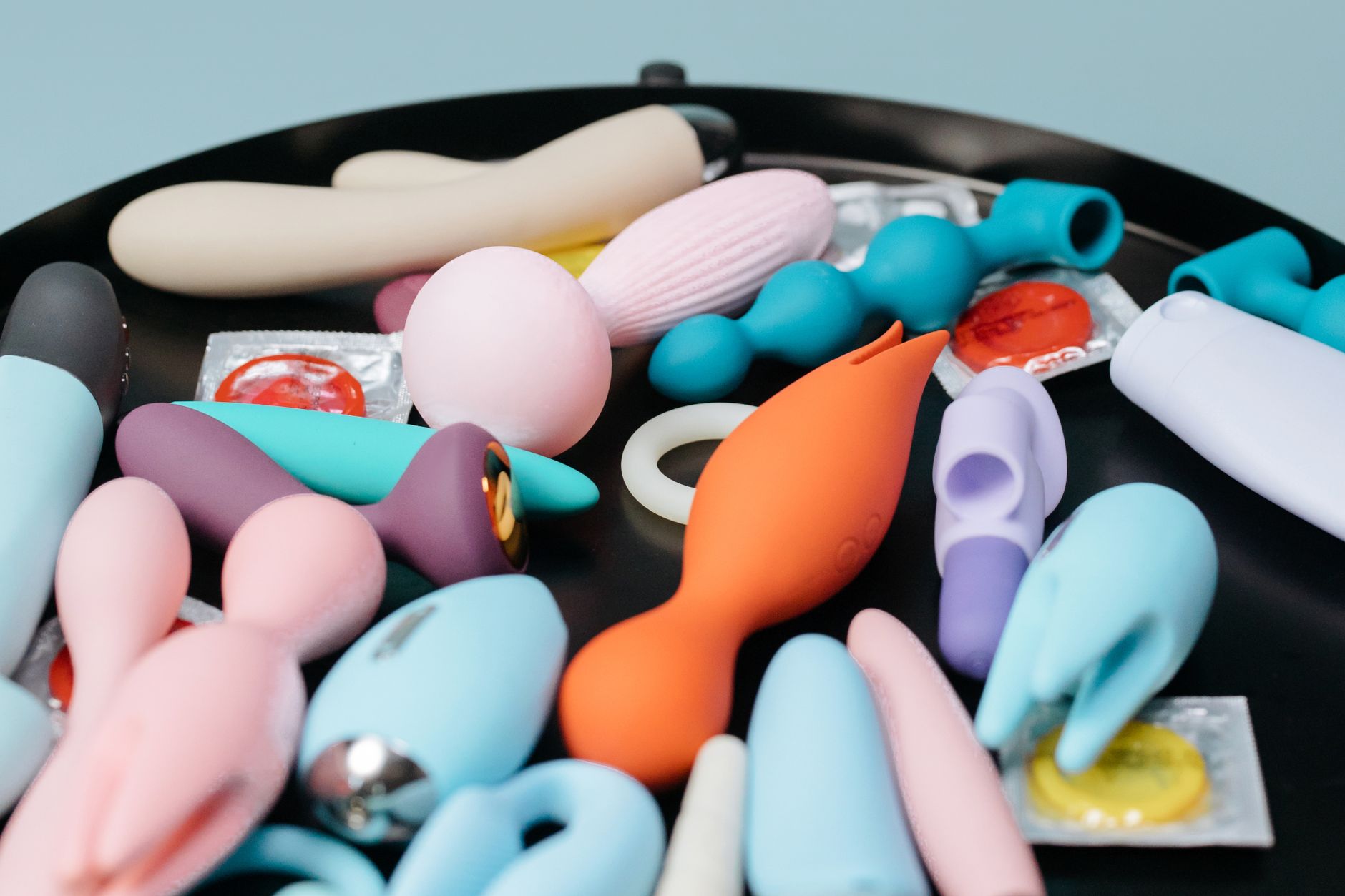
Here's the thing about sensitivity mismatch
You and your partner both want the same outcome. Just not the same way there. One of you winces at what the other person finds barely noticeable. The conversation that follows is either awkward silence or a negotiation that leaves someone feeling either selfish or unseen. Neither is sexy.
This is one of the most common tension points I see in couples' sessions, and it's almost never about the physical sensation itself. It's about feeling like your needs are incompatible.
Why traditional vibrators create the compromise problem
Most vibrators operate on a single vibration pattern at various intensities. Stronger usually means more intense across the board. So if one partner needs a gentler touch, the toy gets turned down to a level that leaves the other person understimulated. Someone always loses.
Lemon vibrators, specifically the suction-based clitoral stimulation design, solve this in a way most people don't expect. The Lem and similar lemon adult toys work differently than traditional buzz-based vibrators. The technology creates variable micro-pulses and pressure waves rather than simple vibration. That means two partners with wildly different sensitivity thresholds can use the exact same toy at the exact same setting and have completely different experiences.
One person feels a gentle, sustained pressure. The other experiences deep, resonant stimulation. Same tool. Same frequency. Different sensation.
I've watched couples in my practice go from this source of friction to actually enjoying the toy together.
How suction technology changes the sensitivity equation
When you're using a lemon clitoral vibrator with suction, the sensation isn't delivered through direct vibration against sensitive tissue. It's delivered through pressure and micro-motion. Your nervous system interprets this differently depending on your baseline sensitivity.
Someone with a more sensitive clitoris feels each pulse distinctly, like waves of pressure. Someone with lower sensitivity in the same area feels the cumulative effect of the pattern, which reads as more sustained and intense stimulation. It's the same reason a gentle massage feels soothing to one person and underwhelming to another, but cranking up a massage gun's intensity helps some people relax while making others tense.
This isn't about anyone being "broken" or needing a higher tolerance. Clitoral sensitivity varies wildly based on hormone levels, arousal state, time of day, where you are in your cycle, stress level, and genetics. Two partners' sensitivity curves probably don't match most days, and that's completely normal.
Why intensity isn't the only variable that matters
The temptation is to assume the solution is just a toy with more settings. More intensity options, more patterns, more choices. That's missing the actual problem.
What you need is a tool that creates a different quality of sensation, not just a louder version of the same one. Lemon sexual toys deliver stimulation that reads differently to differently-wired nervous systems at the identical frequency. That's the actual game-changer.
I also recommend couples talk about sensation preferences before introducing any toy. Not in a clinical way. More like: "I love a focused, concentrated feeling" versus "I like broad, wave-like stimulation." That conversation itself often dissolves the tension. Once your partner understands you're not rejecting them by having different needs, the difference becomes interesting instead of frustrating.
How to introduce a lemon vibrator without making it weird
If sensitivity mismatch has been a silent tension between you, don't just spring a new toy into bed and hope it solves things. That usually backfires because it can feel like someone's forcing a "solution" rather than exploring together.
Start with the conversation first. "I've noticed we seem to have different sensitivity preferences, and I don't want either of us to feel like we're compromising. I read about how lemon vibrators work differently for different sensitivity levels. Want to try one together?" If your partner is hesitant, ask what the hesitation is actually about. Often it's not the toy. It's worry that you're unsatisfied, or that using a toy means their touch isn't enough.
When you do try it together, let someone else control it first. Usually the partner who's more comfortable with sex toys. Spending time exploring how the toy feels on your partner builds connection and takes the performance pressure off. You're both learning, not one person instructing the other.
Start on the lower settings. Even if someone typically uses intense vibration, the sensation from a lemon clitoral vibrator feels different enough that recalibration happens naturally. Rushing to high intensity defeats the whole purpose.
The relationship benefit you might not expect
I've noticed something interesting when couples start using compatible tools together. The sex gets better, sure. But the communication about sex gets better faster. Because you've just had a concrete experience that your needs don't threaten your partner's satisfaction. You can both win.
That shift ripples into other areas. If you can be vulnerable about needing different stimulation without triggering shame, you can be vulnerable about other things. That's where real intimacy lives.
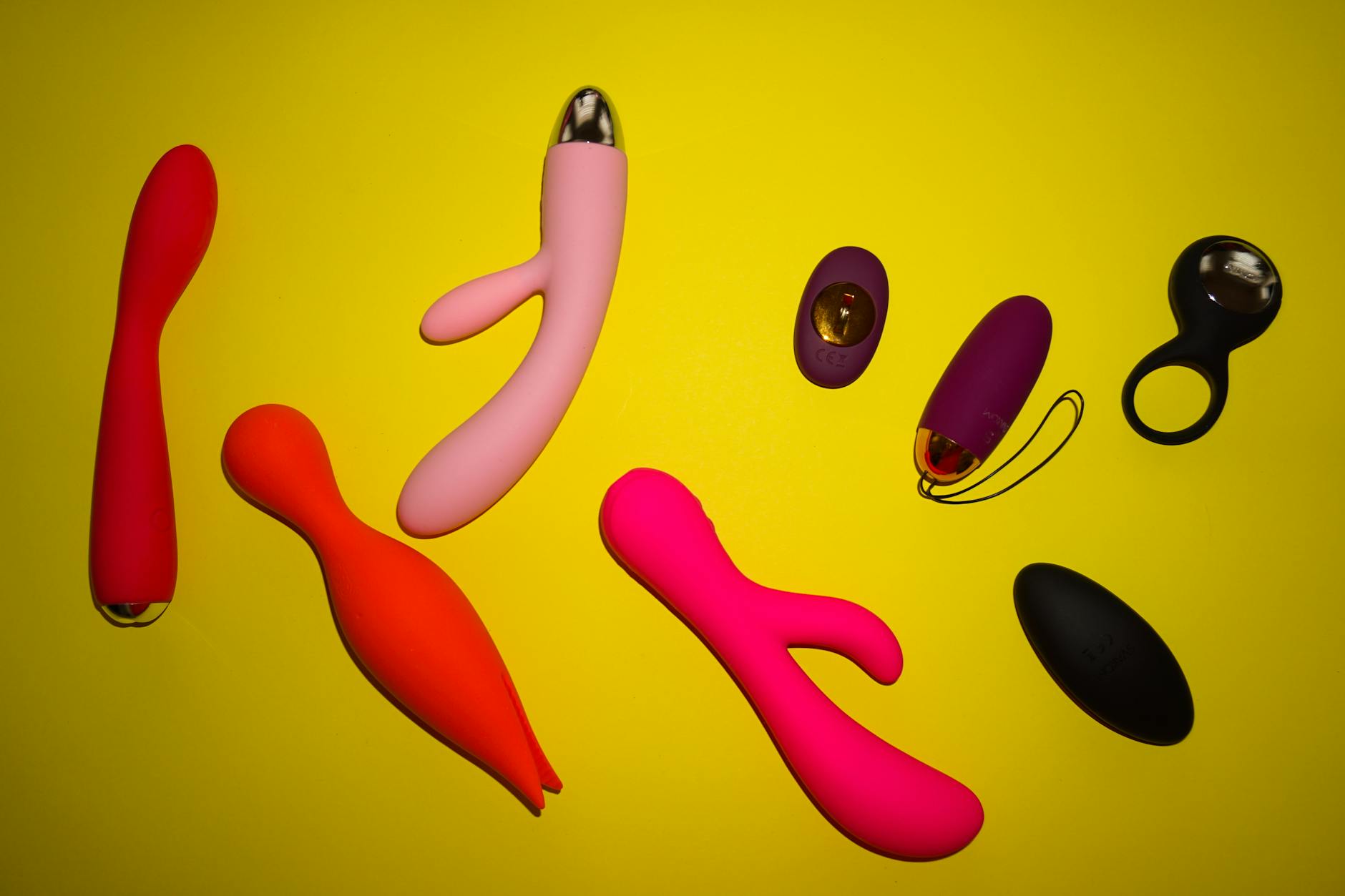
Photo by FounderTips . on Pexels
When sensitivity differences signal something deeper
Sometimes a sensitivity mismatch is just biology. Sometimes it's pointing to something else: one partner has lower desire, or they're distracted, or there's resentment underneath that hasn't been named. A new toy won't fix that.
If introducing a lemon vibrator dissolves the tension and suddenly you're both enjoying sex more, great. That's a sign the issue was actually mechanical, not relational. But if the sensitivity difference was a symptom of something bigger, the toy will feel good for a few sessions and then the original friction comes back.
If that's happening, it's worth looking at the bigger picture. Are there unresolved arguments between you? Is one person managing stress by withdrawing? Is desire genuinely mismatched, or is it mismatched attention? Those are conversations for a therapist or coach, not a sex toy.
But for couples whose sensitivity is just different, not broken? The lem vibrator is genuinely the tool that changes everything.
FAQ
Can couples with completely opposite sensitivity preferences really use the same lemon vibrator?
Yes, absolutely. That's the whole point of how suction-based clitoral vibrators work. The sensation reads differently depending on your baseline sensitivity, which means the exact same setting can feel perfect for both of you. The key is starting on lower settings and building up together so you both find the sweet spot.
What if my partner thinks using a vibrator means I'm not satisfied with them?
This is the conversation that needs to happen before any toy enters the picture. Be direct: "I want to use this because I want more pleasure with you, not instead of you." You might also point out that you probably have different sensitivities for lots of things. One partner might like spicy food while the other doesn't. That doesn't make either preference wrong. Same principle applies here.
Should we start with a cheaper lemon vibrator or invest in something like the Lem?
If you're new to clitoral vibrators, a mid-range option like the Berri gives you the suction technology without the premium price tag. That said, the quality of the seal and the consistency of the pulse pattern really does matter for how effectively the tool works for different sensitivity levels. A poorly-designed toy might not create the differential sensation benefit you're looking for. Read reviews from couples specifically, not just individuals.
How often should couples use a lemon vibrator together?
There's no magic frequency. Some couples use one a few times a week. Others bring it out once a month. The benefit isn't about how often you use it. It's about it being a tool that makes pleasure accessible for both of you without compromise. Use it as much as feels good, and don't feel like you have to use it every time you have sex.
What if one of us wants to use the vibrator solo sometimes?
That's completely fine and actually really healthy. Solo exploration with a toy builds your own map of what feels good, which you can then bring back to partnered time. Many people find that they actually enjoy a lemon vibrator more when they know exactly how to use it because they've spent time alone figuring it out first. No shame in that.
Can couples with very different body types use the same lemon clitoral vibrator?
Yes. The vibrator isn't shaped to fit a particular body. It's held against the clitoris, which means body size, shape, or type doesn't really factor in. What matters is comfort during use, which is more about the angle you're holding it from and how long you've been using it. That's about preference and anatomy, not body type.
The actual point
If you and your partner have been managing different sensitivity needs by taking turns, one person feeling unseen, or just avoiding the conversation altogether, a lemon vibrator isn't magic. But it's a concrete tool that lets you explore pleasure together without someone losing. And that matters way more than the toy itself. It's permission to want different things and still be compatible.
Ready to explore this together? Start with a conversation, not a purchase. Once you're both on board, the tool makes the rest easier.
Want help navigating bigger intimacy conversations with your partner? Reach out to Hello Nancy or check out how other couples are using lemon vibrators together.