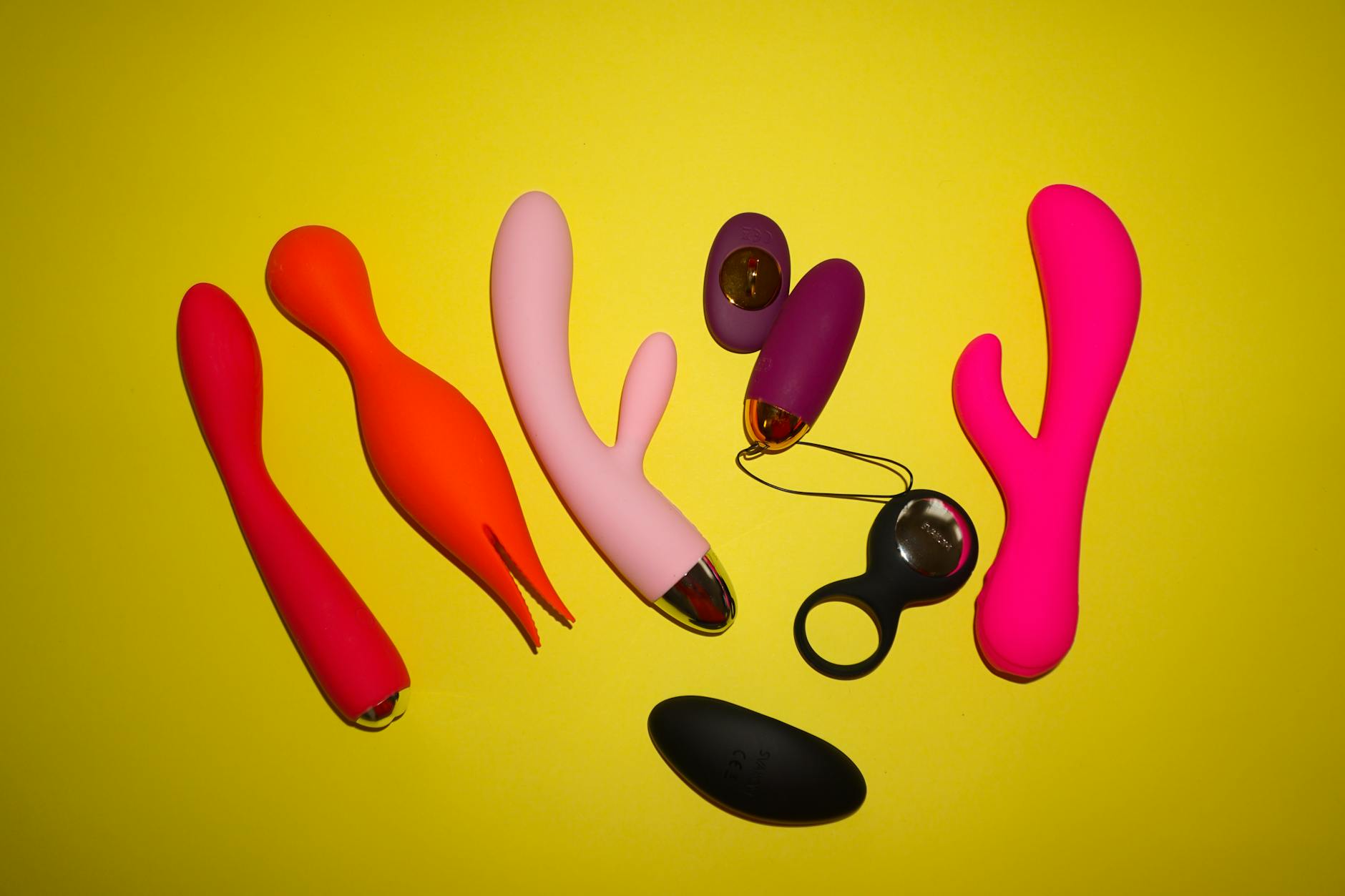
Here's the thing about menopause and sensation
Your clitoris didn't go anywhere. But the tissue surrounding it changed. Estrogen is what keeps clitoral tissue thick, well-hydrated, and responsive to both pressure and suction. When estrogen drops during menopause, that tissue thins. The changes are real, measurable, and completely normal. What's not inevitable is that pleasure disappears.
Lemon vibrators and lemon clitoral suction devices work differently on a post-menopausal body. Not worse. Different. And honestly, understanding that difference is the key to having your best orgasms in this chapter.
What estrogen actually does to clitoral tissue
Estrogen isn't just about your cycle or your mood. It's a structural hormone. It tells your clitoral tissue to maintain thickness, elasticity, and blood flow. When estrogen drops, that conversation stops. The tissue thins by maybe 30 percent on average. The blood vessels don't fill as quickly during arousal. The whole apparatus becomes more sensitive to direct pressure.
That sensitivity sounds good until you're using a lemon vibrator on intensity level 4 and it feels like a jackhammer on a nerve ending instead of pleasure.
The suction technology in devices like the Lem works because it doesn't rely on that thickness of tissue. Suction stimulates the thousands of nerve endings clustered around your clitoris without requiring the tissue to be plump and cushioned. For post-menopausal bodies, this is often a relief.
Why suction feels better than vibration after estrogen drops
Three reasons your lemon suction vibrator might feel like a revelation compared to traditional vibrators.
One: Suction distributes pressure differently. A vibrator creates rapid up-and-down motion. On thinner, more sensitive tissue, that motion can feel sharp or uncomfortable. Suction creates a gentle pulling sensation that engages the nerve endings without the same mechanical intensity.
Two: You get arousal feedback from sensation alone. Post-menopause, arousal sometimes feels quieter. You might not notice the swelling and flush you used to. A lemon clitoral vibrator using suction gives you clear sensory information without needing that anatomical feedback. You feel the sensation directly.
Three: The Lem and similar devices let you control intensity through pattern, not just power. Most vibrators only go faster or slower. Hello Nancy's lemon vibrator offers different suction patterns that engage your clitoris in different ways at the same power level. That variety matters when tissue sensitivity is higher.
The actual changes you might notice
Four specific sensations that are completely normal post-menopause.
Your clitoris might feel more sensitive to direct touch. Light pressure feels lighter. Medium pressure feels medium. But firm pressure can feel sharp. This is why many post-menopausal women find they need gentler vibrators or, conversely, prefer the diffused sensation of a lemon suction device.
You might notice that arousal takes longer to build. This isn't a failure of sensation. It's a shift in blood flow speed. The physiological response to touch is the same, but the cascade happens a bit slower. Budget 15 to 20 minutes for warm-up instead of 5 to 10.
Orgasms might feel different in location or intensity. Estrogen supports the entire pelvic floor structure. When it drops, the intensity might concentrate differently, or the sensation might feel more localized to the clitoris itself. For some women, that's actually more intense and more satisfying.
You might experience dryness even when you're aroused. This one's tricky because it's not about desire. It's about vaginal fluid production, which is also regulated by estrogen. A water-based lubricant is your friend here, especially with a lemon clitoral vibrator that creates suction against delicate tissue.
How to adjust your lemon vibrator routine
If you've owned your lemon vibrator since before menopause and it suddenly feels wrong, try these tweaks first.
Start at pattern one and stay there for a full minute before moving up. Your nervous system needs time to recognize and enjoy stimulation. Rushing through the patterns defeats the point.
Add lubricant even if you don't think you need it. Water-based lubricant doesn't change sensation. It protects tissue from the friction of suction or vibration. Apply a small amount to the device before use.
Use shorter sessions, more frequently. Instead of one 20-minute session, try two 8-minute sessions on different days. This prevents overstimulation of already-sensitive tissue and keeps pleasure from feeling like work.
Try a lemon clitoral vibrator with a wider cup or head. If you've been using a compact suction toy, a larger one distributes pressure across more tissue, making the sensation feel gentler and more enveloping.
Pay attention to timing in your cycle if you haven't gone fully post-menopausal yet. Perimenopausal bodies can have unexpected spikes in estrogen. You might notice your lemon vibrator feels completely different week to week.
When to see a doctor about changes
If sensation disappears entirely or becomes painful, that's a conversation for your GP or gynecologist. Genitourinary syndrome of menopause is real, common, and treatable. A topical estrogen cream applied to the vulva can restore tissue thickness and sensation in 2 to 4 weeks. It's not systemic therapy. It works locally. It's safe and it works fast.
If you're experiencing severe pain with penetration or even with a lemon clitoral vibrator, that's also worth raising. Pelvic floor tension sometimes increases with menopause as estrogen support weakens. A pelvic floor physical therapist can help retrain your muscles to relax, which changes sensation completely.
If you want to explore testosterone therapy to boost desire or sensation, that's a legitimate option some doctors prescribe post-menopause. It's controversial in the US but widely accepted in the UK and Australia. Your doctor can tell you whether it's right for your situation.
The pleasure part hasn't changed
Here's what matters: your brain's capacity for pleasure is exactly the same. Your clitoris has the same 8,000-plus nerve endings. The neural pathways that create orgasm are intact. All that's shifted is how quickly those pathways light up and what kind of stimulation gets there most efficiently.
Many women report that their best orgasms come after menopause. Not because the physical sensation is stronger, but because the mental load lifts. Hormonal cycles end. Fertility worry vanishes. The cultural pressure to perform softens. For the first time in decades, some people actually prioritize their own pleasure instead of managing everyone else's.
A lemon vibrator works brilliantly for post-menopausal bodies because it doesn't require you to perform anything. You're not performing arousal for a partner or proving you still "have it." You're just feeling what you feel and letting your body respond. That's where the real pleasure is.
FAQ: Lemon vibrators, menopause, and sensation
Does menopause mean I'll lose sensation in my clitoris?
No. Your clitoris has the same nerve endings before, during, and after menopause. What changes is tissue thickness and blood flow speed. Sensation stays the same, but the way your body responds to touch shifts. This is usually subtle, sometimes imperceptible, and almost always adjustable with a lemon clitoral vibrator designed for post-menopausal bodies.
Why does my lemon vibrator suddenly feel too intense after menopause?
Thinner clitoral tissue is more sensitive to direct pressure. A vibrator that felt perfect before menopause can feel sharp or uncomfortable after. Switch to a lower intensity setting, try a suction-based lemon vibrator instead of a traditional vibrator, or use shorter sessions. The sensation will normalize as your body adjusts.
Can I still have orgasms with a lemon vibrator after menopause?
Absolutely. The neural and vascular systems that create orgasm are unaffected by menopause. Orgasms might feel slightly different, take a little longer to build, or concentrate differently, but they're still fully possible. Many women find their most satisfying orgasms happen post-menopause because they're finally exploring their own pleasure without distraction.
Should I use lubricant with a lemon clitoral vibrator after menopause?
Yes, even if you're naturally lubricated. Estrogen drops affect vaginal fluid production independently of arousal. A water-based lubricant protects delicate tissue during suction or vibration and prevents any sensation of friction. It adds comfort without changing pleasure.
Does hormone replacement therapy affect how a lemon vibrator feels?
Yes. If you start HRT, your clitoral tissue will gradually regain thickness and fullness. You might notice that a lemon vibrator feels different as your estrogen rises. This is fine and normal. You may want to adjust your intensity settings as your body changes. Think of it as a recalibration, not a problem.
Why do so many post-menopausal women prefer suction vibrators like the Lem?
Suction distributes pressure across a wider area of tissue without the sharp up-and-down motion of traditional vibrators. For thinner clitoral tissue, this feels more comfortable and often more pleasurable. Plus, suction devices give you consistent sensory feedback even when arousal feels quieter. You feel the device working, which is grounding and satisfying.
You deserve pleasure in every chapter
Menopause isn't a deadline for pleasure. It's a plot twist. Your body is changing, yes. That means you get to learn it again, find new sensations, and actually prioritize your own experience instead of managing a cycle or anyone else's expectations.
If you're adjusting to how a lemon vibrator or lemon clitoral suction device feels post-menopause, you're not broken. You're simply in a new phase. Reach out to your doctor if anything feels painful. Adjust your routine. Be patient with yourself. And know that some of the most connected, most satisfied women I work with have discovered their favorite sensation in their 50s, 60s, and beyond.
Your best chapter might not be behind you. It might be the one you're in right now.
Sources and References
- American College of Obstetricians and Gynecologists. "Genitourinary Syndrome of Menopause." Clinical Guidelines, 2023.
- Kingsberg, S. A., et al. "Vulvovaginal atrophy: Consensus on management and future directions." Menopause Review, vol. 15, no. 2, 2016, pp. 109-117.
- Shifren, J. L., & Aghajanova, L. "Menopause-related quality of life and sexual function." Journal of Sexual Medicine, vol. 15, no. 12, 2018, pp. 1656-1668.
- Lindau, S. T., et al. "A study of sexuality and health among older adults in the United States." New England Journal of Medicine, vol. 357, 2007, pp. 762-774.