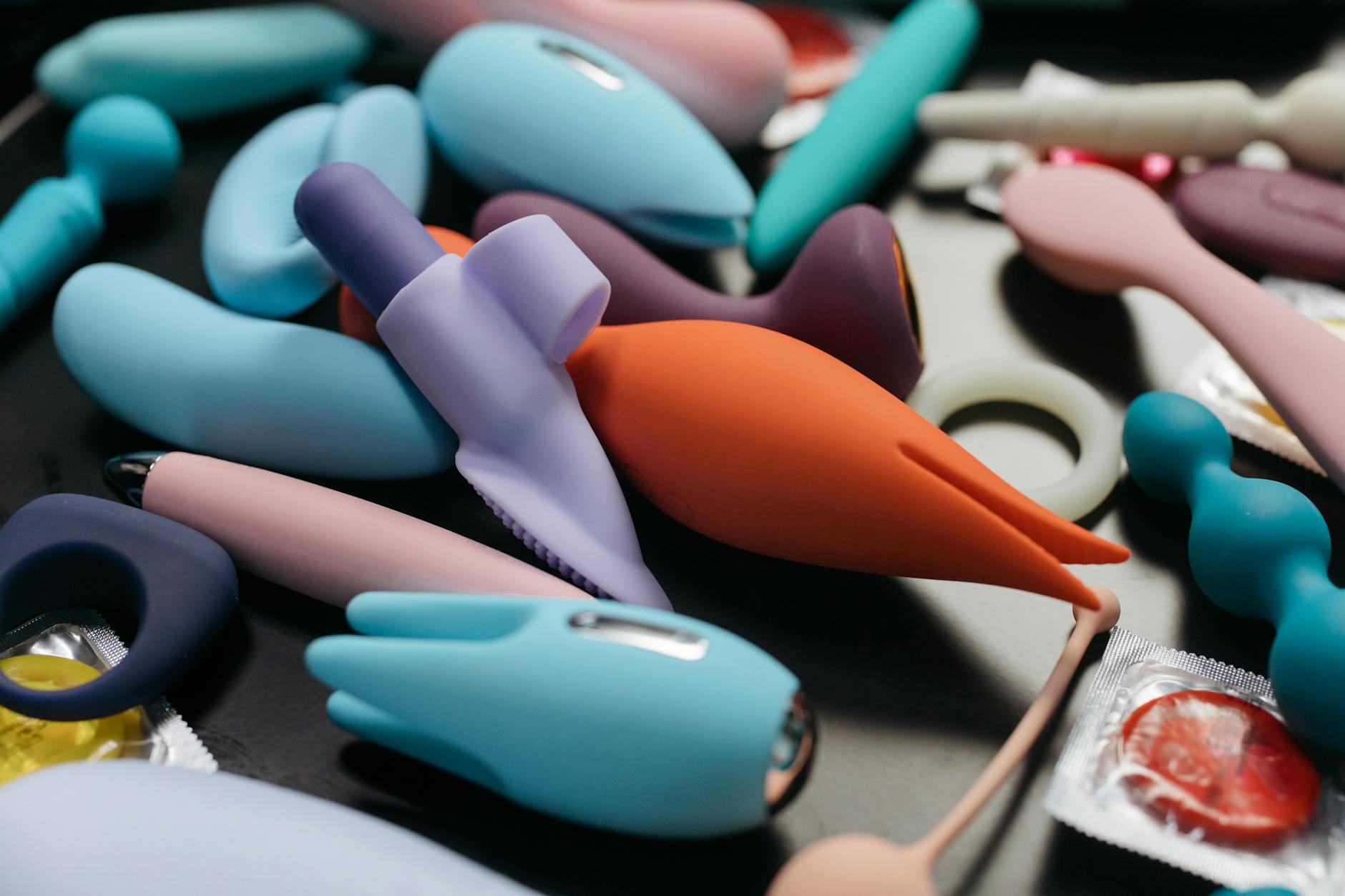
Let's talk about the awkward part nobody mentions
You've been separated for months, a year, maybe longer. Work, distance, family stuff, grief, or just the slow drift that happens when life gets loud enough. Now you're back together and you want physical intimacy again. But your bodies feel like strangers. Your rhythms don't sync. You're both nervous.
That nervousness is completely normal. It's also completely fixable.
Here's what I've seen work repeatedly in my practice: introducing a lemon clitoral vibrator into the reunion isn't about adding novelty. It's about resetting the conversation. It gives you both permission to slow down, to explore without the pressure of "performance," and to rebuild touch in a way that feels safer than starting from scratch.
Why the transition feels harder than you expected
When couples reunite after a break, there's a gap between anticipation and reality. You imagine picking up where you left off. Instead, your bodies have changed. Your nervous systems have adapted to not having that person close. Arousal takes longer to build. Touch can feel almost foreign.
Add in the emotional weight of reunion and the pressure of "we've been apart so long, this has to be perfect," and sex becomes a high-stakes event instead of a natural progression.
A lemon vibrator changes that equation. It's neutral. It doesn't carry the same performance pressure because it's not about your partner directly stimulating you, it's about mutual exploration of sensation. That distinction removes a ton of psychological friction.
The setup conversation (have this first)
Before touching the device, you need one conversation. Not a long one, but a real one.
"I want us to take this slowly. I'm interested in rebuilding pleasure together, not trying to recreate what we had before. I'm thinking about exploring with a tool that might help us both relax and reconnect without pressure. Are you open to that?"
If your partner hesitates, listen to why. Common concerns: feeling replaced by the device, worry it means something's wrong with them, or just unfamiliarity. Address each one directly.
The lemon vibrator isn't replacing your partner's touch. It's creating a structure that lets you both focus on sensation and presence instead of performance. That's actually more intimate, not less.
How to actually introduce it physically
First time using a lemon sexual toy together after time apart requires intentionality. Here's the framework.
Start clothed. Spend 20 minutes together without any expectation of sex. Touch, kiss, be close. Let your nervous systems recognize each other again. This isn't wasted time. This is the foundation.
Introduce the device when arousal is already building. Not at the beginning. When you're both warm and present.
One partner holds it. Usually, the partner who isn't receiving uses the lemon vibrator. This gives them an active role (not passive watching) and puts them in control of intensity and rhythm.
Start at the lowest setting. Your body has forgotten what sensation feels like. Low intensity is not boring. It's grounding. You can always increase.
Talk while using it. "Does this feel good?" "Want me to move slower?" "More pressure or less?" This keeps you connected instead of disappearing into the device.
The first time, don't aim for orgasm. Seriously. The goal is sensation and reconnection, not a finish line. If orgasm happens, great. If it doesn't, you've still rebuilt a piece of physical trust.
After, stay close. Don't roll over and sleep immediately. That post-intimacy contact is where the nervous system integration happens.
What couples often get wrong (and how to fix it)
Mistake one: Making it a surprise. Springing a lemon clitoral vibrator on your partner kills the safety you're trying to rebuild. Introduce the idea conversationally first.
Mistake two: Using it as a workaround for emotional distance. If you're not reconnecting emotionally, a lemon vibrator won't fix the physical part. You need both. Use the physical reconnection as a parallel track, not a replacement for talking.
Mistake three: Comparing to before. "We used to finish in ten minutes" or "This doesn't feel like it did." Of course it doesn't. You're different people now, and that's not a failure. It's an opportunity to discover something new together.
Mistake four: Pressure to perform for the person using the toy. The receiving partner sometimes feels pressure to respond perfectly or orgasm to prove the device "works." Spoiler: there's no performance metric. Just sensation and presence.
Building a rhythm over weeks
One reunion session doesn't rebuild months of separation. Think in terms of a 4-6 week arc.
Weeks one and two. Short sessions, low intensity, lots of communication. The goal is normalizing touch again and confirming that your bodies still respond to each other.
Weeks three and four. Longer sessions. Try different settings and speeds. Introduce the idea that this can be part of your regular intimate life, not just a reunion repair tool.
Weeks five and six. Experiment with different positions or timing. Maybe one person uses the lemon vibrator while you're together in a way that works for your dynamic. The specifics depend entirely on what you both want.
Many couples find that introducing a lemon adult toy during this vulnerable time actually deepens their reconnection. You're learning each other's bodies again. You're communicating more explicitly about pleasure. You're building a shared experience that's just yours.
When to bring in a professional
If four weeks in, physical intimacy still doesn't feel possible or you're both avoiding it, that's worth exploring with a therapist. Sometimes time apart reveals deeper issues. A relationship coach or sex therapist can help you sort whether this is normal caution or something that needs unpacking.
Similarly, if one partner wants to use the lemon vibrator and the other strongly resists, that's a conversation worth having in a facilitated space. Resistance isn't always a blocker. Sometimes it's just unfamiliarity. But sometimes it points to something else that needs attention.
The thing about starting over that actually works
Reuniting after a break doesn't mean returning to the past. It means building something new that honors what you had while accepting that you've both changed.
A lemon clitoral vibrator is just a tool. The real work is showing up, being honest about vulnerability, and committing to rebuilding intimacy slowly. When you do that, physical pleasure rebuilds alongside it.
You don't have to rush. You don't have to perform. You just have to be present.
That's how reconnection actually works.
People also ask
Can we use a lemon vibrator if we haven't been intimate in over a year?
Absolutely. In fact, a longer break sometimes makes a lemon vibrator more useful because it removes some performance pressure. Start with an intentional conversation about what you both want, agree to move slowly, and think of the first few sessions as sensate focus exercises rather than sex. You're rebuilding physical communication, not jumping to intensity. Most couples find it takes 2-4 weeks of regular, patient sessions before it starts feeling natural again.
My partner is nervous about using a lemon sexual toy with me. How do I address that without making them feel pressured?
Listen first. Ask what specifically concerns them. Is it feeling inadequate? Worry about the device? Unfamiliarity with toys in general? Each concern has a different answer. If it's about inadequacy, be clear: "This isn't about what you can't do. It's about exploring sensation together in a way that feels safe right now." If it's just unfamiliarity, you can start by using it solo so they see it's not intimidating, then introduce it together slowly. If they remain hesitant after a real conversation, respect that. Forcing a tool into intimacy defeats the whole purpose of rebuilding trust. You can reconnect without it, though it might take longer.
What if the lemon vibrator works better than actual sex? Should we only use the toy?
Not really. The lemon clitoral vibrator is a facilitator, not a replacement. If it's working really well and partnered sex feels harder, that's useful information. It might mean you need longer warm-up time, different positioning, or more communication. Use the vibrator as data. What's working about it? The angle? The consistency? The lack of pressure? Then apply those insights to partnered touch. Most couples who use toys as a reconnection tool eventually weave them into regular sex rather than using them exclusively.
How long before reunion sex feels natural again after time apart?
It varies wildly, but expect 4-8 weeks of regular, patient sessions before it starts feeling truly natural. Some couples reconnect faster. Others need more time, especially if the break was due to relationship struggle rather than circumstance. Using a lemon vibrator can actually shorten that timeline because it removes some of the performance anxiety and gives you both an active role in rebuilding pleasure. Focus on consistency and presence rather than speed.
Is there a specific pattern or rhythm to follow when using a lemon clitoral vibrator together?
No universal pattern, but here's a useful structure for the first few times: start at the lowest setting, use it for 5-10 minutes while talking, increase intensity gradually only if it feels good, and always prioritize communication over finishing. Some couples find a steady rhythm works best. Others prefer varying the speed and pattern. Experiment and pay attention to what your partner responds to. The rhythm that emerges is usually the right one for your dynamic.
Can we use a lemon vibrator if we're still rebuilding emotional connection too?
Yes, but understand that physical reconnection and emotional reconnection are parallel tracks, not substitutes. If you're actively working through hurt or distance emotionally, the physical work can actually help because it creates positive shared experiences. But don't expect the vibrator to fix emotional issues. You need both the conversation and the touch. Many couples find that as physical intimacy returns, emotional connection strengthens too. The reverse isn't always true, so do both.