Let's be real about what happens to sex in long-term relationships
Years in, sex with a partner can start to feel less like connection and more like logistics. Same position. Same rhythm. Same timing. Same everything. It's not that you don't love them. It's not that attraction disappeared. It's that your nervous system got bored, which your body registers as less pleasure, which makes sex feel less important, which makes it happen less often, and then suddenly you're wondering if this is just what happens when relationships age.
Here's what I've seen clinically: the spark didn't go anywhere. Your pleasure circuitry just got predictable.
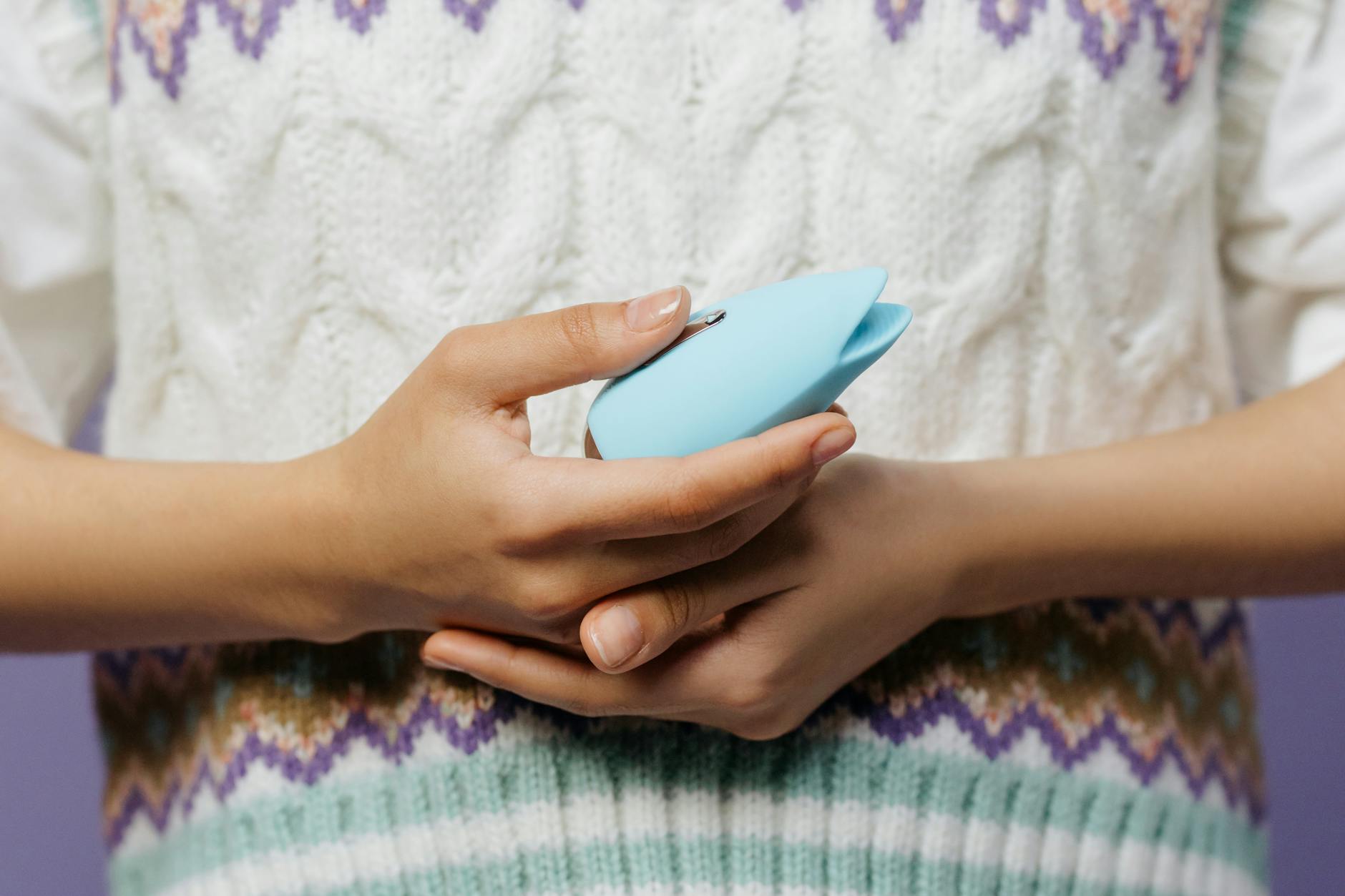
A lemon clitoral vibrator breaks that predictability. Not because it's magic. Because it resets your body's attention in ways a partner's hand or penis can't replicate alone. The suction-based stimulation of a device like the Lem creates a sensation pattern that wakes up your nervous system. Then your partner gets to watch that happen. Then they get to be part of creating it.
That changes everything.
Why routine sex feels less pleasurable (and it's not about your partner)
Your body adapts. After thousands of the same touch, the same angle, the same pressure, your nerve endings habituate. Scientists call it adaptation. Couples call it boredom. Both are accurate.
The clitoris has roughly 8,000 nerve endings concentrated in one small area. When stimulation stays consistent, those nerves stop firing as urgently. You need novelty to reactivate full sensation. That novelty doesn't have to mean a new partner. It means a new stimulus pattern.
When you introduce a lemon vibrator into partnered sex, you're literally introducing a stimulus your body hasn't adapted to yet. The suction pattern is different from fingers. The rhythm is consistent in a way human touch isn't. The intensity can be dialed up or down without conversation mid-act. For many people, that's enough to flip the switch from "performing sex" back to "feeling sex."
How to introduce it without making it weird
The conversation matters more than the device.
If you've been with your partner for years, you might assume they'll take it personally. "Does this mean I'm not enough?" That's the fear. So the framing has to be about addition, not subtraction.
Try something like this: "I've been thinking about us. Our sex has been good, but I want to feel more. I read that a lot of long-term couples use toys to wake things back up. I want to try that with you. I want you to see me feel good." Notice what that does. It centers him as a participant in your pleasure, not as the problem.
Then make the first time low-pressure. Don't make it the entire sex act. Use the lemon vibrator as foreplay. You use it solo while they watch. You use it while they touch you elsewhere. You get used to how it feels. They get used to how you respond to it.
After a few times, it stops being a novelty and becomes part of your regular rhythm.
The mechanics of using a lemon vibrator together
There are three basic setups that work for couples in long-term relationships who want to rebuild pleasure:
Setup 1: You use it while they're inside you. This works particularly well if you struggle to orgasm during penetration. The suction sensation of the lemon vibrator on the clitoris combined with internal pressure changes the whole experience. Start on a lower intensity and build up. Communication is everything. Let them know what feels good, when to move, when to stay still.
Setup 2: They hold the lemon vibrator while you're together. This gives them agency in your pleasure. They control the pattern, the intensity, the timing. It forces presence on both sides. They have to pay attention to how your body responds. You get to relax into receiving.
Setup 3: You use it as the main event while they touch you elsewhere. Sometimes the best sex isn't about penetration at all. Sometimes it's about creating a full-body experience. You use the lem on your clitoris. They touch your breasts, your neck, your thighs. They kiss you. They watch your face. You build toward an orgasm together without intercourse being the center.
Each of these changes the dopamine and oxytocin hit you both get. You feel more pleasure. That pleasure is visible. They feel like they helped create it. Connection rebuilds.
What changes when you add a clitoral vibrator to partnered sex
Three things happen almost immediately.
First, your orgasms get easier. Not because your partner was failing before. Because the stimulus is more efficient. Your nervous system gets there faster. That matters psychologically. You're reminded that your body can still do this.
Second, you stay more present. Easier orgasms mean less performance anxiety. Less performance anxiety means you're actually in your body instead of narrating it from outside. Your partner notices. That presence is attractive.
Third, you both remember that pleasure exists. In long-term relationships, sex can become about maintenance or obligation. Adding a lemon vibrator reframes it as something you're actively choosing to pursue together. That's the spark. Not the device. The choice.
How to handle the adjustment period
The first time using a clitoral vibrator with a partner can feel awkward. Your body might not respond the way you expect. You might feel self-conscious. They might feel uncertain about their role.
That's normal. Stick with it for at least three or four times before evaluating whether it's working.
Start with lower intensity settings. The Lem has multiple patterns. Explore them slowly. Talk about what feels good. If something doesn't work, that's data, not failure.
Many couples find that after two or three sessions, the awkwardness dissolves completely. It becomes just another part of how you connect.
When a lemon vibrator solves more than just the sex problem
Here's what I see in my practice: couples who rebuild pleasure together rebuild other things too. They touch more outside the bedroom. They text more flirtily. They remember why they chose each other.
Sex isn't everything in a relationship. But it's something. It's a place where you're both vulnerable at the same time. Where you're both trying to feel good together. When that part of your relationship goes numb, everything else feels colder.
Introducing a lemon clitoral vibrator into partnered sex isn't about fixing a broken partner. It's about telling your nervous system that pleasure still matters. That your partner cares enough to explore it with you. That this relationship is still worth investing in.
That's what actually brings the spark back.
FAQ
How do I know if my partner will be open to using a lemon vibrator together?
Most partners are more open than you think. The fear is usually on your end, not theirs. Start by asking what they want from your sex life. Listen to what they say. Then introduce the idea of trying something new. Frame it as an experiment you want to do together, not as a critique of what you've been doing. If they say no, respect that. But most people say yes when the invitation comes from genuine desire, not desperation.
Can a lemon vibrator replace my partner during sex?
No. And that's the point. A clitoral vibrator is a tool for sensation. It doesn't replace intimacy, presence, or the specific pleasure of being touched by someone you care about. When you use it with a partner, you're adding to what already exists. You're not subtracting them. You're inviting them into a different kind of pleasure.
What if I can only orgasm with the vibrator now?
That's not actually a problem. Your body learns what creates pleasure and follows that pathway. If a lemon vibrator is what gets you there reliably, use it. Many couples build their entire sex life around that. Sometimes the partner uses it on you. Sometimes you use it together. The specifics don't matter. Reliable pleasure does.
How long does it take before it stops feeling novel?
About six to eight weeks for most couples. That's when habituation starts to creep back in. The solution is the same as with anything else: vary the patterns, the intensity, the context. Sometimes use it during the day. Sometimes use it as the whole event. Sometimes use it as foreplay. Novelty requires switching things up, even with the same toy.
Is it weird that I need external stimulation to orgasm with my partner?
No. For people with clitorises, direct clitoral stimulation is often more reliable than any other kind of stimulation. This is biology, not a personal failing. Many people find that once they start using a lemon clitoral vibrator consistently, they feel more confident in partnered sex overall. They know what their body likes. They can communicate it. That confidence changes everything.
Should we talk about the lemon vibrator before we use it or just surprise them with it?
Talk first. Surprise toys almost always backfire. A conversation gives both of you time to adjust to the idea, ask questions, and set expectations. It also signals that you care about what they think. That matters. The conversation might feel awkward for thirty seconds. The benefit lasts for years.
The long game
Long-term relationships require intentionality. You don't accidentally stay attracted to someone. You don't drift into deeper pleasure. You choose it. You show up for it. You get curious about each other.
A lemon vibrator is one small way to make that choice visible. It's a signal that you still want to feel good together. That sex still matters. That your partner is worth the vulnerability of asking for what you need.
That's what brings the spark back. Not the device. The decision to tend the fire.