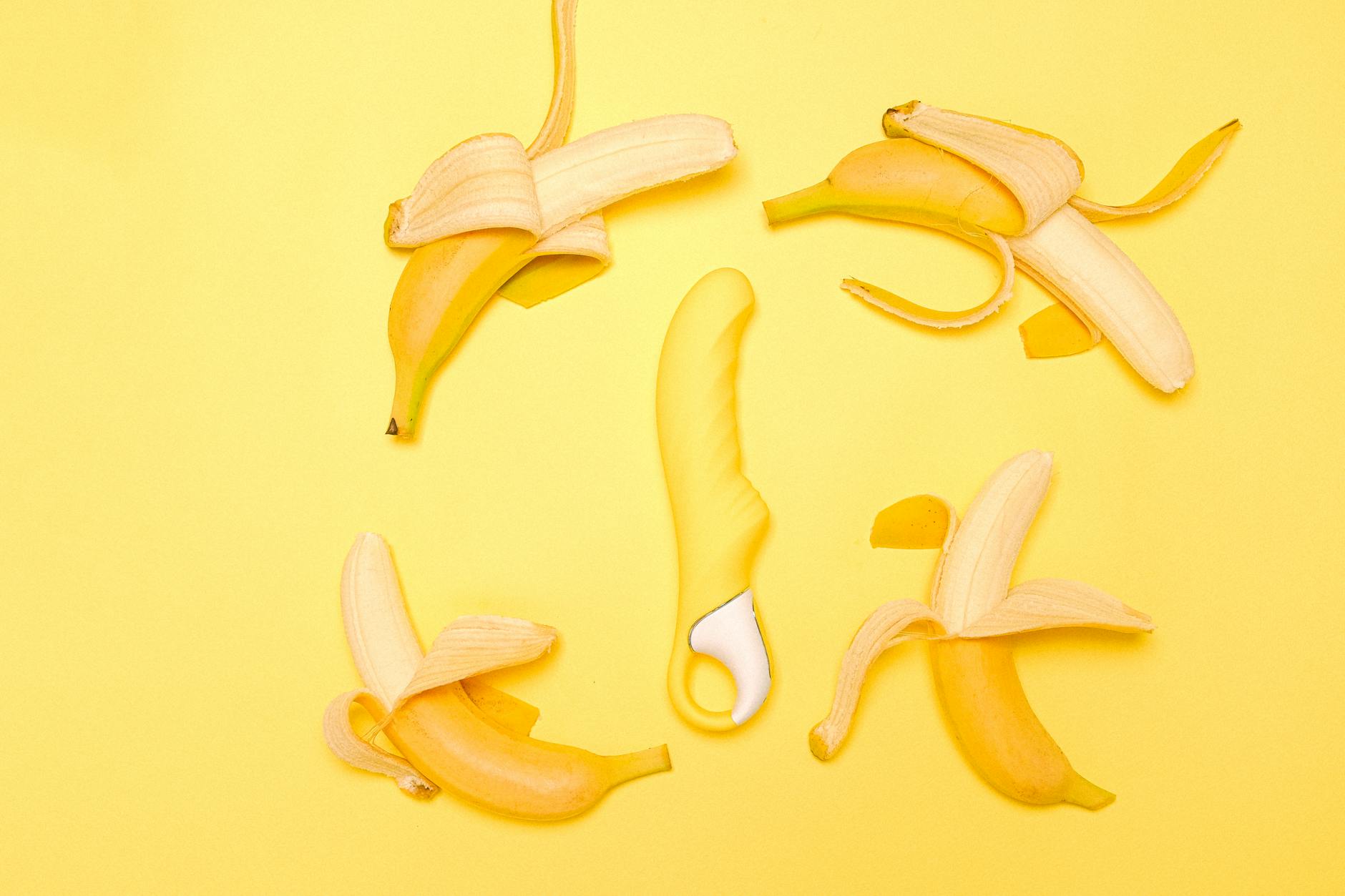
How to Use a Lemon Vibrator When Rebuilding Sex After Relationship Rupture
Here's what happens after a rupture in your relationship: your body becomes a stranger. Not because the relationship ended or because trust fractured, but because arousal was tied to a person who hurt you, betrayed you, or disappeared. Now even thinking about sex feels like a logic problem instead of a feeling. Pleasure got tangled up in everything that went wrong, and your nervous system isn't sure it's safe to want anything at all.
That's where a lemon vibrator comes in. Not as a replacement for your partner (or an advertisement for Hello Nancy). But as a tool to speak to your body in a language that doesn't involve another person's disappointment, timing, or shame. A lemon clitoral vibrator like the Lem is specifically useful here because it separates sensation from performance. It doesn't need you to be ready. It just asks you to be curious.
This is about rebuilding pleasure from the ground up. And that always starts with yourself.
Why your body shut down after the rupture
When a relationship breaks because of betrayal, separation, or conflict, sex doesn't just feel awkward. Your arousal system actually goes offline. This isn't dysfunction. It's your nervous system doing its job.
Your brain linked arousal to safety around that person. Now that person is a threat (or absent, or the source of grief). Your body learned: sex here equals hurt. It shut the gate. This is called a trauma response, and it's completely normal.
The problem is that even after you've processed the breakup intellectually, your body doesn't know it's safe yet. You might want to feel desire again. You might even be dating someone new who treats you well. But your clitoris doesn't care about your logic. It cares about whether your nervous system feels protected.
That's why jumping straight to partnered sex after a rupture often backfires. Your body interprets it as being asked to recreate the situation that broke you. Instead, you need to rebuild arousal in a context where the only stakes are your own pleasure. No performance. No one else's timing or expectations. Just sensation and your nervous system slowly learning: this is safe.
The rebuilding phase: learning to be alone with wanting
Before you use a lemon vibrator with a partner, you need to use one alone. This might sound obvious, but most people skip it because they feel a strange sense of guilt or shame about solitary pleasure after a rupture. Sometimes it feels like cheating on someone who hurt you. Sometimes it feels pointless if you're not sharing it.
That's the rupture talking. Ignore it.
When you explore a lemon vibrator solo, you're establishing a new neural pathway: pleasure that belongs to you. It's not for anyone. It doesn't have to lead to anything. It's not a warm-up or foreplay. It's the entire event. And your body learns, incrementally, that wanting is safe again.
Start with a pattern on the Lem that feels soothing, not stimulating. Pattern 1 or 2. The air-suction design of a lemon clitoral vibrator is gentler than traditional vibrators, which matters because your nervous system is already overwhelmed. Gentleness is not boring here. Gentleness is medicine.
Set aside 10 to 15 minutes when you're not rushing. Not as part of a self-care routine you feel obligated to complete. Not as a box to tick. Just time where your body gets to be curious without any other purpose.
If desire doesn't show up, that's fine. You're not building toward an orgasm yet. You're teaching your nervous system that your own touch is acceptable. That sensation can happen without judgment or someone else's needs intruding. Do this two to three times a week for two to four weeks, depending on how deep the rupture was.
Letting your nervous system set the pace
One of the hardest parts of rebuilding after a relationship breaks is learning to trust your own body's signals again. After conflict, betrayal, or unwanted separation, you often develop a habit of overriding what your nervous system is telling you.
You might push yourself to be aroused because you feel like you should be. You might ignore your body saying "not yet" because you've internalized the idea that your pleasure is less important than someone else's need. Or you might rush yourself, thinking that if you can just get back to normal sex, the relationship rupture will feel less real.
None of that works. Your body will block you every time.
With a lemon vibrator, you have permission to stop whenever you want. You can use it for two minutes and put it away. You can reach for it three times in one week and then not touch it for ten days. You can explore a new pattern on the Lem and decide it doesn't work for you. Every single choice is valid because the only person you're answering to is yourself.
This teaches your nervous system something crucial: you're trustworthy. Your body matters. Your arousal isn't a debt you owe anyone.
Reintroducing partnered sex with your nervous system in mind
Once you've spent two to four weeks rebuilding pleasure solo, you might feel ready to explore sex with a partner again. If you're dating someone new after the rupture, this is especially important. You need to establish that you can be aroused in your own body before bringing another person into that space.
When you do reintroduce partnered sex, a lemon vibrator can help bridge the gap between solo pleasure and shared experience. Unlike penetrative sex or manual stimulation from a partner, using a clitoral vibrator lets you maintain ownership of your own arousal. You're in control of the intensity, the rhythm, the speed. Your partner is there, but your pleasure isn't dependent on their effort or their timing.
This is not roleplay or performance. It's a genuine tool for keeping your nervous system regulated while you rebuild trust and connection.
You might use the Lem together. You might ask your partner to hold it. You might use it while they focus on touching you elsewhere. The specific mechanics matter less than this: you're demonstrating to yourself and your partner that your pleasure is non-negotiable, separate, and entirely yours.
If your partner shows resistance or discomfort with this, that's information. Resistance to your solo pleasure (even in a partnered context) is often a sign of unresolved issues around control, insecurity, or incompatibility. You don't have to therapize it or fix it. But you do need to notice it.
The emotional work underneath the physical work
Let's be honest: using a lemon vibrator won't heal a rupture on its own. What it does is create a container where your body can practice safety and arousal while you're doing the harder work of processing betrayal, grief, or conflict.
That harder work is a conversation with yourself. Maybe with a therapist. Definitely with yourself: What did I learn about my own desirability from this rupture? Do I believe I deserve pleasure if I'm not in a relationship? Can I separate my partner's failure from my own worth? What would it mean to want someone again without losing myself?
A lemon vibrator is a tool for that work, not a substitute for it. But it's a powerful one because it speaks to your nervous system in real time. Every time you reach for clitoral pleasure solo, you're answering those questions in your body before you answer them in your head.
Over time, that practice changes how you relate to desire. You stop waiting for someone else to make you feel wanted. You learn that wanting is accessible to you alone. You build a sense of arousal that doesn't depend on being chosen.
Then, when you're ready to share sex with someone new, you're not bringing them a fragmented, seeking version of yourself. You're bringing someone who knows their own pleasure is real and valuable and entirely their own.
FAQ: Rebuilding pleasure after relationship rupture
How soon after a rupture can I use a lemon vibrator without feeling guilty?
Guilt is a signal that you've internalized a rule that isn't yours. You don't owe your ex or anyone else sexual abstinence. If you feel guilty, that's worth exploring with a therapist or trusted friend. But you don't have to wait for the guilt to disappear before you use a clitoral vibrator. Your pleasure is not a betrayal.
What if I use a lemon vibrator solo and still can't orgasm?
Orgasm isn't the goal in the early rebuilding phase. Sensation and safety are. If you're using a lemon clitoral vibrator regularly and arousal isn't returning, that might signal that the rupture was deeper than you realized, or that you need professional support to process it. A therapist who specializes in trauma or relationship rupture can help.
Can using a lemon vibrator make it harder to be aroused by a real partner later?
No. If anything, the opposite is true. When you practice arousal solo, you're strengthening your nervous system's capacity for desire in general. That capacity transfers to partnered sex. The problem comes when people use vibrators to replace connection rather than to rebuild their own baseline of arousal.
My partner wants me to use a lemon vibrator with them, but I'm not ready. How do I say no?
Say it directly: "I'm not ready yet. I'm rebuilding my own pleasure first." You don't owe anyone an extended explanation. If your partner pushes back or makes you feel ashamed for needing this time alone, that's a red flag worth addressing before sex gets more complicated.
Is it normal to feel emotional when using a lemon vibrator for the first time after a rupture?
Completely normal. You might feel grief, anger, relief, sadness, or nothing at all. Let whatever comes happen. You're reconnecting with a part of yourself that shut down to protect you. That's big. Tears or laughter or numbness all make sense.
How do I know when I'm ready to move from solo exploration to partnered sex again?
You're ready when solo arousal feels consistent and reliable, when the idea of partnered sex doesn't trigger a shutdown response in your body, and when you genuinely want to share physical closeness with someone (not just feel obligated to). That timeline is different for everyone. There's no rush.
Starting over looks different for everyone
Rebonding with your own pleasure after a relationship rupture isn't about returning to where you were. It's about building something more grounded: a sense of arousal that belongs to you completely, that doesn't depend on being wanted by someone else, and that you can share with a partner from a place of wholeness instead of need.
A lemon vibrator is just a tool for that work. But it's a remarkably honest one. It doesn't care about your story. It doesn't judge. It just offers sensation, and asks you to trust yourself enough to accept it.
That's where rebuilding always starts.