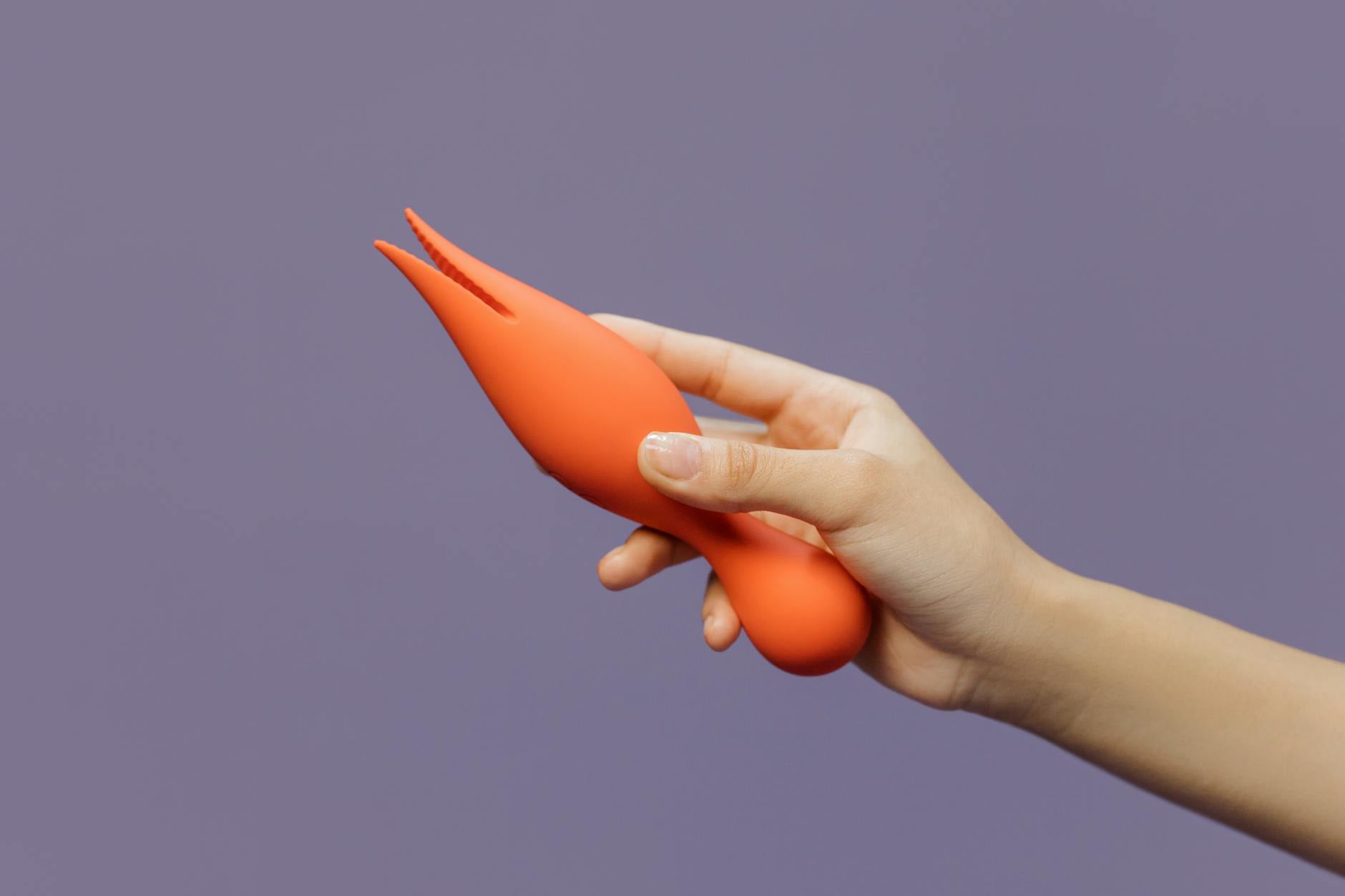
How to Use a Lemon Vibrator When Penetrative Sex Feels Uncomfortable in Later Years
Penetrative discomfort doesn't mean the end of pleasure. Here's how clitoral vibrators and focused stimulation can rebuild intimacy when penetration becomes tricky.
Let's be real. Penetrative sex becoming uncomfortable is one of those things people endure quietly instead of actually addressing. You assume it's just part of getting older. Your partner assumes you're not interested anymore. Neither of you talks about it, so you both start avoiding the whole thing.
But here's the thing. Discomfort during penetration doesn't mean your body is broken. It means penetration might not be the best entry point for pleasure anymore. And that's actually useful information.
Several physical shifts happen as we age. Vaginal tissue becomes thinner and less elastic, partly from declining estrogen and partly from reduced blood flow to the area. The vaginal canal might shorten slightly or the opening can become more sensitive. Lubrication takes longer to arrive and doesn't last as long. The pelvic floor muscles, which should stay flexible, often tighten from tension or decrease in strength.
All of this is treatable. None of it is permanent.
The catch is that traditional approaches to this problem usually focus on making penetration work again. Medical cream to thicken tissue. Pelvic floor physical therapy to loosen those muscles. More foreplay. Slower entry. All reasonable strategies.
But what if you stopped trying to fix penetration and started exploring what actually feels good instead? That's where a clitoral vibrator like the ones Hello Nancy makes becomes genuinely transformative.
Here's something most people don't realize. As penetration becomes uncomfortable, the clitoris doesn't stop working. In fact, it often becomes the most reliable source of pleasure because it has its own nerve supply that isn't affected by the same tissue changes happening inside the vagina.
Most orgasms for people with vulvas come from clitoral stimulation anyway. Research suggests around 75 percent of vulva-owners need direct or indirect clitoral contact to reach orgasm. So shifting focus isn't a workaround. It's actually returning to what works.
A lemon vibrator uses suction technology rather than traditional vibration. That matters because suction stimulates without requiring firm pressure, which means you get intense sensation on tissue that might be sensitive or tender. The technology works particularly well for people whose tissue has thinned or whose baseline sensitivity has shifted over time.
If you're partnered, this transition can either become a point of distance or a genuine reconnection. The difference depends almost entirely on how you frame it.
What doesn't work: "I can't do penetration anymore, so we'll have to stop having sex." That's a statement of loss and usually triggers shame or rejection in both partners.
What does work: "I've realized penetration doesn't feel good right now, but I want to explore what does. I want your help." That's an invitation.
Start by using your lemon vibrator solo. Get familiar with what patterns, speeds, and rhythm actually feel good. Then invite your partner to watch, or to use it on you. Or use it together as foreplay before penetration, or instead of penetration entirely.
Many couples report that shifting to clitoral focus actually deepens their connection because someone is finally paying deliberate attention to what feels good, rather than running through a checklist of expected activities.
Using a Hello Nancy lemon sucker when penetration feels risky requires a different mindset than traditional vibrator use. Here's what actually works.
Start with plenty of time. Minimum 20 minutes of buildup before you use the device. Your body needs time to warm up, lubrication needs to build, and your nervous system needs to shift into pleasure mode.
Apply water-based lubricant generously. Even if you're generating natural lubrication, additional lube reduces any friction that might feel uncomfortable on sensitive tissue. Silicone-based lubes feel richer but can damage silicone toys, so stick with water-based.
Start on the lowest setting. A clitoral vibrator set to pattern 1 or 2 allows you to build sensation gradually. Many people skip the early patterns entirely and jump straight to intensity, then wonder why their tissues feel irritated afterward. That's backwards.
Find the angle that feels easiest. Some people prefer direct contact on the clitoral glans. Others do better with the device angled slightly to one side, or with the hood of the clitoris still in place for gentler stimulation. There's no single correct technique. Your body will tell you what works.
Let arousal build in waves. You don't have to chase orgasm in a straight line. Pleasure often arrives in layers. You might build toward something intense, back off, rest, then build again. That rhythm is normal and actually feels better than relentless intensity.
Some people completely abandon penetration once they find clitoral focus. Others want both, just not in the same pattern they used before.
If penetration matters to you, try these adjustments: Use plenty of lubricant before anything enters. Have your partner enter slowly and stay relatively still while you use your lemon vibrator on yourself. You're managing your own stimulation while they provide different sensations. Or try positions that allow for shallower penetration, which reduces pressure on tissue that might be tender.
Consider short penetration sessions followed by vibrator use. Twenty seconds of penetration, then five minutes with your clitoral vibrator, builds a hybrid experience that feels different than either alone.
If penetration continues to feel uncomfortable no matter what you try, that's okay too. Your pleasure doesn't require it. Many people report that releasing the expectation of penetration entirely feels like permission to actually enjoy sex again.
If discomfort is sharp, persistent, or accompanied by bleeding or unusual discharge, see a gynecologist. Genitourinary syndrome of menopause is real and highly treatable with topical estrogen creams. If pelvic floor tension is the culprit, a specialized physical therapist can actually help.
You might also benefit from talking with a couples counselor if the shift in sexual function is creating distance in your relationship. Rebuilding intimacy after a change like this often goes smoother with professional support.
Using a lemon vibrator when penetration becomes uncomfortable isn't a compromise or a fallback. It's often the moment when pleasure finally becomes about what actually feels good instead of what you think should feel good.
Manypeople report that their most satisfying intimate experiences happen after they stop insisting on a particular script and start paying attention to their actual body's signals. A clitoral vibrator is just the tool. The real shift is permission to explore something different.