The thing nobody talks about
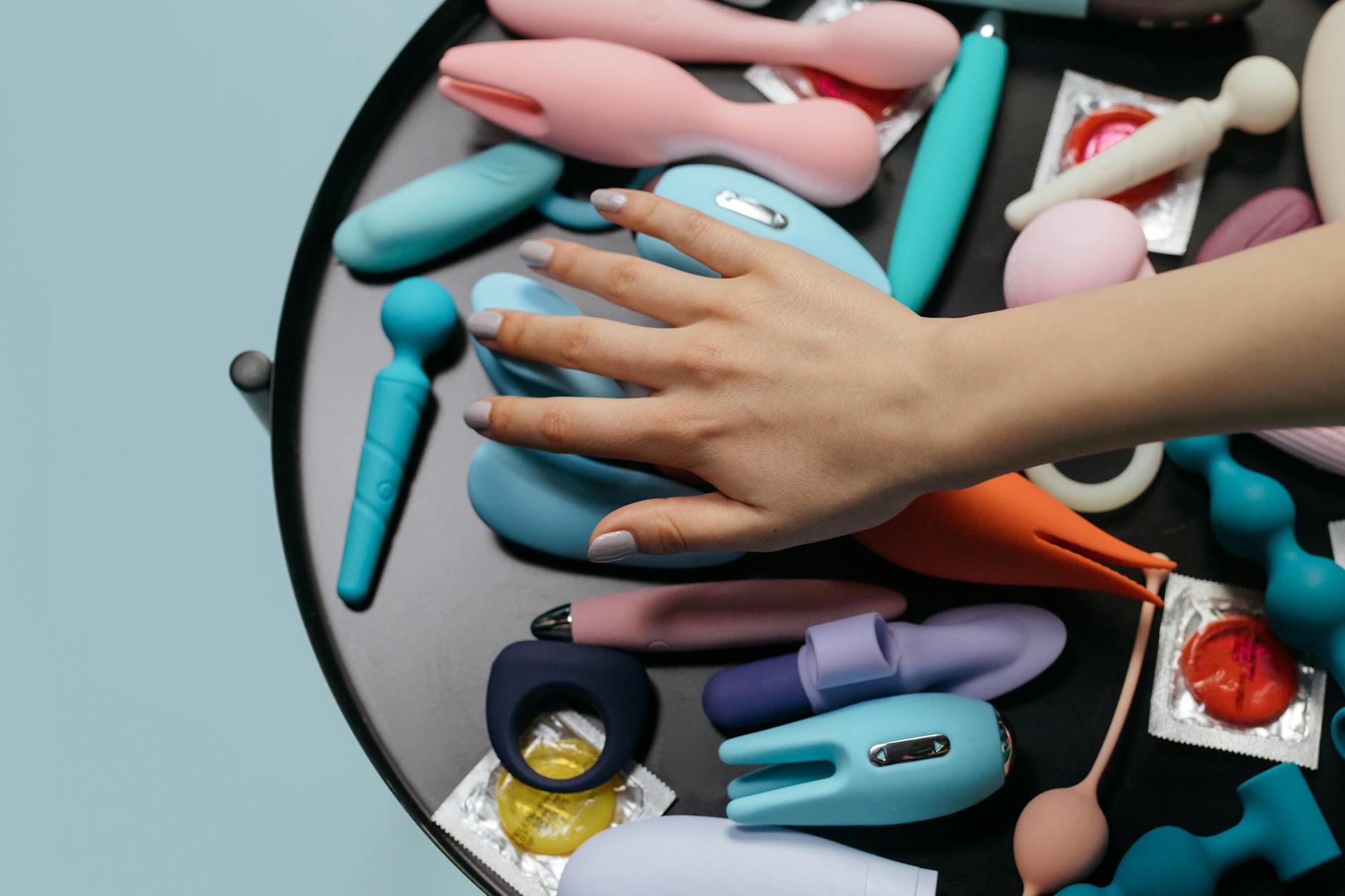
Introducing pleasure tools early in a relationship doesn't mean oversharing or moving too fast. It means knowing what you want and being direct about it. That's actually attractive. The biggest mistake I see couples make is waiting too long, turning it into A Big Deal instead of just part of how you both enjoy each other.
Here's what actually happens when you normalize it early: your partner learns that you take your own pleasure seriously. That you're not waiting for them to figure it out. That's confidence, and confidence is the opposite of awkward.
Why the conversation matters more than the toy
Let's be honest. The lemon clitoral vibrator itself is not the risky part. The risk is emotional: "What if they think I'm high-maintenance? What if they feel replaced? What if they judge me?" Those fears are legit, but they're about the conversation, not the toy.
Here's the frame that works: you're not asking permission. You're inviting collaboration. There's a massive difference. One sounds like "Is this okay?" The other sounds like "I'd love to explore this together because your presence matters to how good it feels."
That second version is true, by the way. Having a partner present and engaged while you use something like the Lem changes the entire experience. It's not solo pleasure happening in front of them. It's shared attention.
The timing question (yes, there's a right time)
Not on the first date. But also not after six months of awkward silence about pleasure. The sweet spot is usually around week three to week eight. You've moved past surface-level chemistry but before you've built assumptions about what sex "should" look like between you.
Bring it up during a conversation that's already slightly intimate but not mid-sex. That could be pillow talk after, a text thread, or a glass of wine at home. The context should feel like "I'm letting you into something real about myself," not like a sudden performance request.
The actual language matters. Try something like: "I want to tell you something that's important to how I experience pleasure. I use a lemon vibrator, and I really enjoy it. I'd love to explore that with you if you're interested." Then pause. Let them respond. Don't fill the silence.
What happens if they react badly
Some people freeze. Some deflect with humor. Some get defensive. That's data. Not about the vibrator. About them.
A partner who responds with "That's not really my thing" or "I don't think I need to watch that" is telling you something about how they approach your pleasure. Whether that's a dealbreaker is your call, but I wouldn't ignore it. People who are uncomfortable with their partner's self-directed pleasure often stay uncomfortable about it.
A genuinely good response sounds like curiosity: "Tell me more" or "What does it feel like?" or "What would you want me to do?" That's a partner who's thinking about your experience, not just their role in it.
How to introduce the actual toy
Don't hand them a lemon vibrator cold. Show it to them first in a low-pressure moment. That could be while you're hanging out, clothes on, totally casual. Let them hold it, ask questions, demystify the thing.
Then, when you do use it together for the first time, start solo. Show them how you use it. No performance. Just your regular rhythm and patterns. This does three things: it removes the mystery, it gets them comfortable seeing you in pleasure, and it gives them permission to enjoy watching it.
If they want to participate (applying it themselves, controlling the pattern, touching you simultaneously), great. If they just want to be present and watch, that's also great. The point is presence and communication, not a specific role.
Building the pattern together
After the first time, check in. Not a formal debrief. Just "Did you like that?" or "How did that feel for you?" Their answer tells you if they want more of it, less, different circumstances, or totally different things.
If you're exploring pleasure with mismatched arousal speeds, a lemon clitoral vibrator actually solves this beautifully. You can reach orgasm on your timeline while they stay engaged. That's not compensation. That's coordination.
Over time, you might find that using a lemon vibrator becomes your thing together. That's when it stops being "a tool you happen to use" and becomes part of your intimate language.
What if they want to use it on you but don't quite get it
That's normal. Air-suction devices like the Lem work differently than traditional vibrators. The sensation is subtle at first. Show them the pressure level, explain that you need slower warm-up time with it, let them feel the sensation on their own finger so they understand what you're experiencing.
Many new partners are shocked at how gentle the initial patterns feel. They expect it to be intense. Watching their face shift when they realize it's actually more about precision and consistency than power is its own kind of intimacy.
The confidence part (this matters most)
Honestly, how your partner reacts depends heavily on how you frame it. If you bring it up like you're admitting something shameful, they'll treat it like shame. If you bring it up like it's a normal part of your sexuality that you're sharing with them, they'll usually follow your lead.
I've watched clients worry for months about this conversation, then introduce their lemon vibrator in a casual sentence and have their partner respond with immediate interest. The energy you bring matters. Confidence isn't about being shameless. It's about being clear that this is non-negotiable for your pleasure.
Your pleasure is not a favor your partner is doing. It's a gift you're both sharing.
When to get professional support
If your partner responds with shame or control language ("I don't want you to use that," "That's cheating," "That makes me feel inadequate"), that's worth exploring with someone trained in relationship dynamics. Sometimes those reactions hide deeper insecurities about intimacy that aren't actually about the vibrator.
A good therapist can help you both understand what's underneath the resistance. Often it's fear, not actual incompatibility.
The bottom line
Introducing a lemon vibrator early in a relationship sets a tone. It says you know your body, you're willing to communicate about pleasure, and you see your partner as an adult who can handle your sexuality. That's the opposite of risky. That's the foundation of trust.
Start the conversation sooner than feels comfortable. You'll be grateful you did.