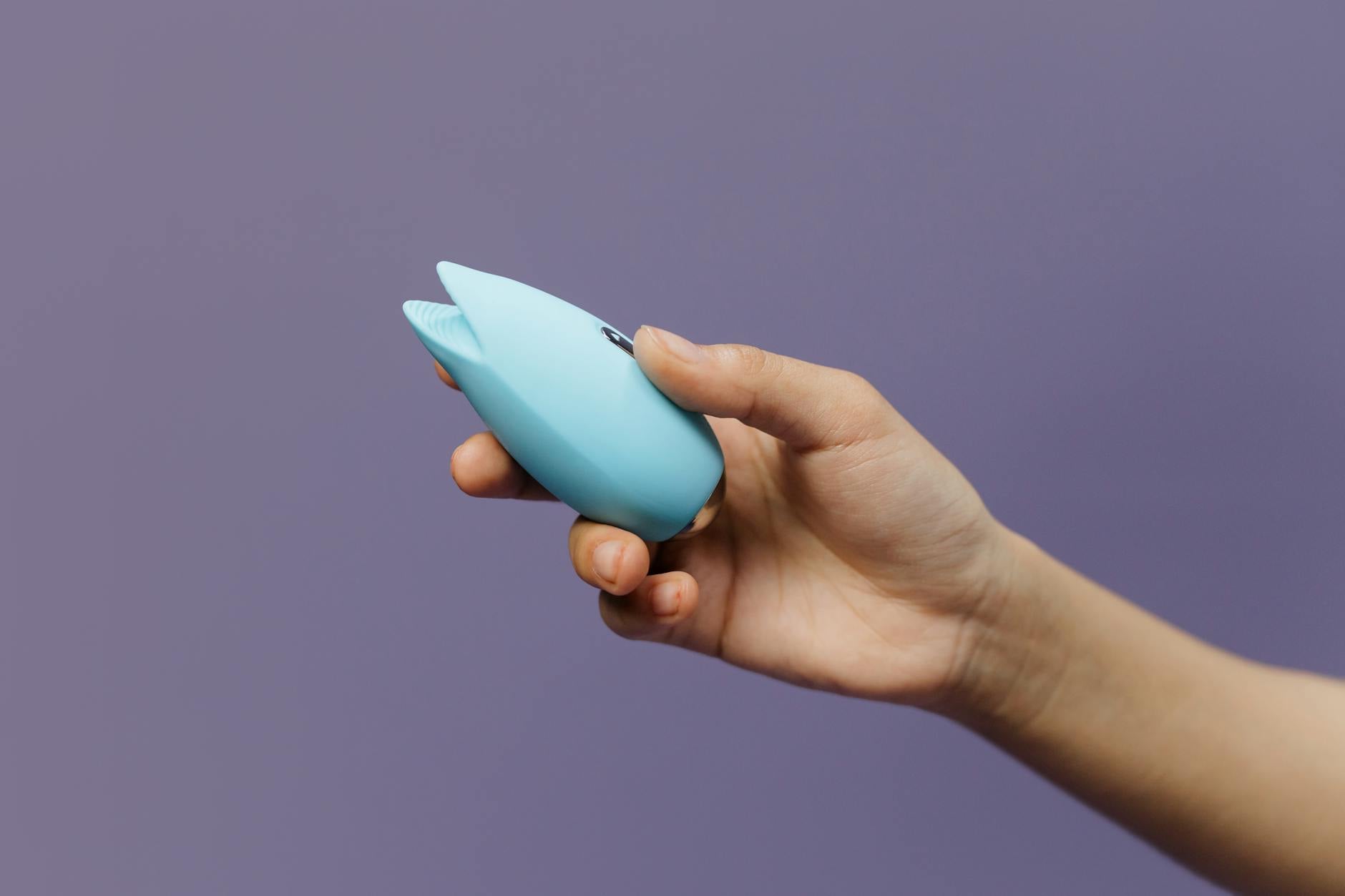
The clitoral hood is doing its job. You might just need a different tool.
Let's be real: when direct clitoral stimulation feels like too much, most people assume something is wrong with them. Nothing is wrong. Your clitoral hood is actually protecting sensitive tissue exactly as it's designed to. The problem is that most vibrators are built for direct contact, and direct contact on an exposed or overly sensitive clitoris can feel raw, sharp, or painful rather than pleasurable.
A lemon vibrator solves this differently than a traditional vibrator because of how it works. Instead of buzzing against the clitoris directly, suction-based stimulation from a lemon clitoral vibrator creates sensation through gentle pressure and release. The clitoral hood stays in place. The tissue underneath gets stimulated without friction. And for many people, this is the difference between pain and genuine pleasure.
If you've been avoiding pleasure because direct touch feels uncomfortable, this post will show you exactly how a lemon vibrator works with your body rather than against it.
Why clitoral hood sensitivity happens
Your clitoral hood is a fold of skin designed to protect the glans (the exposed tip of the clitoris). When the hood retracts slightly during arousal, the glans becomes more exposed and sensitive. This is normal and healthy. But the sensitivity is real. The clitoral glans has roughly 8,000 nerve endings packed into a tiny surface. That's why direct pressure can feel overwhelming, even pleasurable pressure.
Sensitivity increases for several reasons. Hormonal changes (from your cycle, birth control, or life stage) can make the tissue more reactive. Recent or ongoing irritation from friction during partnered sex, aggressive masturbation, or even tight clothing can leave the area tender. Some people are naturally more sensitive in this area. Anxiety or tension around touch can amplify the sensation. And sometimes, past experiences with pain create a protective response where even gentle touch feels threatening.
The key insight: sensitivity does not mean broken. It means your body is giving you clear feedback about what it needs.
How suction changes the game
A lemon sucker, or lemon vibrator, works through gentle pneumatic suction rather than direct vibration. The device creates a sealed opening around the clitoral area. As the suction patterns pulse, they draw the clitoral tissue gently upward into the chamber. This stimulates the clitoris indirectly, which means the hood can stay relaxed and in place, protecting the most sensitive parts.
This indirect approach is transformative for people with clitoral hood sensitivity because it delivers stimulation to the nerve clusters without the sharp friction of a traditional vibrator head. The sensation feels less like "something is touching me" and more like "something is drawing me upward." Users consistently report that suction feels gentler, more encompassing, and paradoxically more intense in a way that feels good rather than overwhelming.
For people in relationships, suction devices also make partnered touch easier. A partner can hold a lemon vibrator and adjust the angle and pressure in real time, responding to your feedback. This is harder with a traditional vibrator, where the angle is often fixed and the speed feels non-negotiable.
Starting with the gentlest settings
Even though suction is gentler than direct vibration, you still need to work up carefully if your clitoris is overly sensitive right now.
Start with pattern 1 on a lemon vibrator. This is usually the slowest, most rhythmic pulse. Hold the device a quarter inch away from your clitoris, not pressed directly against it. The seal will still form, but the starting point is less intense. You're introducing your nervous system to a new sensation, and that takes time.
Spend at least five to ten minutes here before moving to a slightly closer position or a slightly higher pattern. This is not rushing. This is honoring what your body is actually telling you. Many people spend weeks at pattern 1 before moving up, and that is completely fine.
The goal at this stage is not orgasm. It's sensation mapping. Notice where the suction feels good. Notice what patterns your body responds to. Notice how your arousal builds or doesn't. This information is gold. You're learning what your clitoris actually wants, separate from what you think it should want.
The role of external stimulation and sensation focus
When clitoral sensitivity is high, the tendency is to focus all attention on the clitoris. This can paradoxically make sensitivity worse because the nervous system is already in high alert. Broadening your sensation awareness helps.
Before introducing the lemon vibrator to your clitoris, spend time stimulating the surrounding area. The inner labia, the perineum, the opening of the vagina, the mons pubis all have nerve endings too. Touching these areas with your hands, a partner's hands, or even a softer toy first activates your pleasure system more gently. Your arousal builds from a lower baseline, and the clitoris becomes less hypersensitive by comparison.
Once you've warmed up this way for ten to fifteen minutes, introducing the lemon vibrator to the clitoris feels like the next logical step rather than a shock to the system. Your threshold for intensity has already shifted upward because you're genuinely aroused, not starting from a place of tension.
Breathing and relaxation matter more than you think
Clitoral tension and clitoral hood sensitivity are intertwined. A tight pelvic floor often accompanies sensitivity, and that tightness makes everything feel sharper, more raw. Relaxing the pelvic floor changes everything.
Before and during lemon vibrator use, focus on your breath. Slow, deep breathing into the belly activates your parasympathetic nervous system. This is the part of your nervous system that says "I'm safe, it's okay to relax." As you breathe, consciously soften your pelvic floor. You're not trying to do a Kegel. You're doing the opposite. Imagine your pelvic floor as a tight fist. With each exhale, relax that fist slightly. Let it soften.
This single shift often changes how stimulation feels. What was sharp or overwhelming becomes manageable or even pleasurable. You're not changing your body. You're changing the tension that was amplifying sensitivity.
When to use lube, and what kind
Water-based lube is your friend here, even though suction devices don't require the kind of lubrication that penetrative sex does. A small amount of water-based lube around the clitoral area helps the device form a seal more easily, which means gentler pressure overall. It also creates a tiny buffer between the device opening and your skin, further reducing intensity.
Apply the lube to the area first, then introduce the lemon vibrator. The added slickness allows the seal to engage more gradually. Your skin isn't "grabbed" as suddenly by the suction. And yes, this is a real difference in comfort.
Skip silicone-based lubes if you're using a silicone toy, as they degrade the material over time. For lemon clitoral vibrators, which are often silicone, stick to water-based.
The partnership conversation, if you have one
If you're exploring a lemon vibrator with a partner, the conversation matters. Explain that sensitivity is not a barrier to pleasure. It's feedback your body is giving. You're not broken. You're not "too sensitive." You're someone whose body responds intensely, and you're looking for a tool and technique that matches that intensity.
Invite your partner to hold the lemon sucker and help adjust the angle and pattern in real time. This makes the experience collaborative rather than solo, even if you're initiating it alone first. Feeling heard and responded to in real time often paradoxically makes physical sensation feel less overwhelming because the nervous system registers safety.
If direct clitoral touch from a partner's fingers or mouth has been uncomfortable, explain that suction might change that too. Many people find that after working with a lemon vibrator for a few weeks, direct touch becomes more tolerable because the nervous system has learned a new baseline for pleasure in that area.
Tracking what actually shifts
Keep a simple note (mental or written) of what changes over two to three weeks of consistent use. Does intensity feel different after the first week? Does the time it takes to become aroused shift? Do you find yourself wanting touch in places you didn't before? Does the threshold for what feels good on the clitoris actually change?
These questions matter because sensitivity often improves simply from regular, gentle, pleasurable exposure. Your nervous system learns that stimulation in this area can be safe and good. The protective tension that was making everything feel raw gradually releases.
Some people find that after a few weeks of regular lemon vibrator use, direct partner touch becomes possible again. Others find they prefer suction long term and build their pleasure life around that. Both outcomes are completely valid.
FAQ
Why does direct vibration feel so much more intense than suction?
Direct vibration creates repeated contact and friction against the clitoral glans. Suction creates rhythmic pressure and release without friction. Friction is what makes intensity feel sharp or raw, especially on sensitive tissue. Suction spreads the stimulation across a larger area and uses pressure instead of contact. This is why people with clitoral sensitivity often find suction dramatically more comfortable than traditional vibrators.
Can I use a lemon vibrator if touch feels painful?
Start at the very edge of where you want sensation and use the lowest pattern. Pain is different from discomfort. If touch genuinely causes pain, see a healthcare provider to rule out vulvodynia, lichen sclerosus, or other conditions that need treatment. A lemon vibrator is a tool for managing sensitivity, not for pushing through pain. Work with a professional if pain is present.
How long does it take for sensitivity to improve?
Some people notice a shift in a single session. Others need two to three weeks of regular use for the nervous system to adapt. Consistency matters more than intensity. Using a lemon vibrator for ten minutes twice a week at the gentlest setting will likely show faster results than using it once every two weeks at a higher intensity. Your nervous system is learning, and learning takes repetition.
Is clitoral hood sensitivity related to hormones?
Yes. Hormonal fluctuations across your cycle, from hormonal birth control, or from major life transitions can absolutely increase clitoral sensitivity. If your sensitivity is cyclical, you might find that certain times of the month feel easier than others. Tracking this helps you know when to use a lemon vibrator and when to take a break. Some people find that working with their cycle, rather than against it, makes pleasure more accessible overall.
Can my partner use a lemon vibrator on me if I'm sensitive?
Absolutely. In fact, many people find that having a partner hold the device is easier than doing it alone because the partner can respond in real time to feedback. Start with a conversation about what feels comfortable. Use words like "higher pattern," "lower pattern," "slightly closer," or "pull back a bit" so your partner can adjust without guessing. This communication builds confidence for both of you.
What if a lemon vibrator still feels too intense?
Try using it over underwear or a thin cloth at first. This creates a tiny buffer that reduces intensity while you acclimate to the sensation. You can also try holding it farther away, using the lowest pattern, and building arousal with other kinds of touch before introducing it. If it continues to feel overwhelming, a device like the Lolly or Berri might have patterns that feel gentler. Everyone's nervous system is different, and finding the right tool is part of the process.
The actual shift
Working with clitoral sensitivity is not about toughening up or desensitizing yourself. It's about finding tools and techniques that let pleasure build safely. A lemon vibrator does this by working with your body's sensitivity rather than against it. The suction approach, the gentlest patterns, the focus on relaxation and breath. these aren't workarounds. They're the actual path to pleasure for bodies like yours.
Many people report that after weeks of working with a lemon clitoral vibrator, their entire relationship with pleasure shifts. Not because their clitoris changed, but because they finally found an approach that honored how their body actually works. That's the goal here. Not fixing you. Meeting you where you are.