
Let's be real about low sensation
Low sensation is its own thing. It's not the same as low libido. You can want pleasure, want to feel arousal, want to orgasm, and simultaneously feel like you're touching yourself through a wall. Your body is there. The signals just aren't getting through.
This happens for a lot of reasons. Medications like SSRIs and antidepressants numb sensation. Hormonal shifts, autoimmune conditions, stress, and even just aging can make your nervous system less responsive. Sometimes it's all of the above at once. The point is: it's common, it's fixable, and a lemon vibrator is actually one of the better tools for it.
Why lemon vibrators work differently for low sensation
Most vibrators work the way you'd expect. They buzz. Your nerve endings feel the vibration and send a signal to your brain. Simple.
A lemon clitoral vibrator uses suction instead. The Lem, Hello Nancy's signature lemon vibrator, creates a gentle seal and releases in pulses. Instead of friction or traditional vibration, suction stimulates the nerves around and inside the clitoris at a different intensity level and frequency. Here's the thing that matters when you have low sensation: suction actually reaches deeper into the tissue than surface vibration does.
That means even if your surface receptors feel muted, the deeper nerve endings in the clitoral bulb and body might still wake up. It's like the difference between someone tapping your shoulder versus gently pulling you forward. Same tool, totally different sensation.
How to start when nothing feels like much
Don't begin on the highest setting. I know that sounds counterintuitive when you're frustrated that you can't feel anything, but starting too intense does two things. First, it trains your nervous system to expect overwhelming input instead of subtle sensation. Second, it wastes the novelty of a new device. You want your body to learn something new, not amp up to the level of a power drill.
Start with a water-based lubricant. This isn't optional. Low sensation often correlates with lower natural lubrication, and lube reduces friction and allows the suction to work properly. The Lem is designed to work with lubricant. It's not a gap you're filling in. It's part of how the device is meant to feel.
Begin on setting 1 or 2. Give yourself 10 to 15 minutes. I say this to a lot of people solo: time is your best friend when sensation is low. Your nervous system needs time to warm up and pay attention. You're not racing toward an orgasm. You're reintroducing yourself to pleasure. The goal isn't climax in five minutes. The goal is to feel something consistent enough that you notice it.
Creating the right conditions
Environment matters more when sensation is already dampened. You need fewer competing inputs.
Go somewhere quiet. Put your phone face-down. Don't put on music unless it's something instrumental and low in the background. You're trying to hear what your body is saying, and it's already talking quietly.
Take your time with arousal. Read something that appeals to you. Touch other parts of your body first. Wait until you feel at least a little bit of warmth or interest before you bring in the lemon vibrator. Arousal opens up sensation. If you start with zero baseline arousal, you're working against yourself.
Temperature helps too. Warm hands, warm room. Take a warm shower first if you're available to do that. Cold tissue is numb tissue.
The progression that actually works
Here's the sequence I recommend for people with low sensation starting fresh with a lemon vibrator.
Week one: Settings 1 and 2, 10-15 minutes, four to five times. Your only goal is to notice the sensation. Not to come. Not to feel amazing. Just to notice that something different happens when it's on versus off. That's it.
Week two: Move to settings 2 and 3 if week one felt too gentle. Still 10-15 minutes. You're looking for the sensation to feel more distinct. You might start to notice that certain positions feel more interesting than others. That's good information.
Week three and beyond: Stay curious. Experiment with different positions. Try it with your legs together versus apart. Try it with your pelvis tilted differently. The goal shifts from "can I feel this" to "where and how do I like to feel this." That shift is what rebuilds sensation.
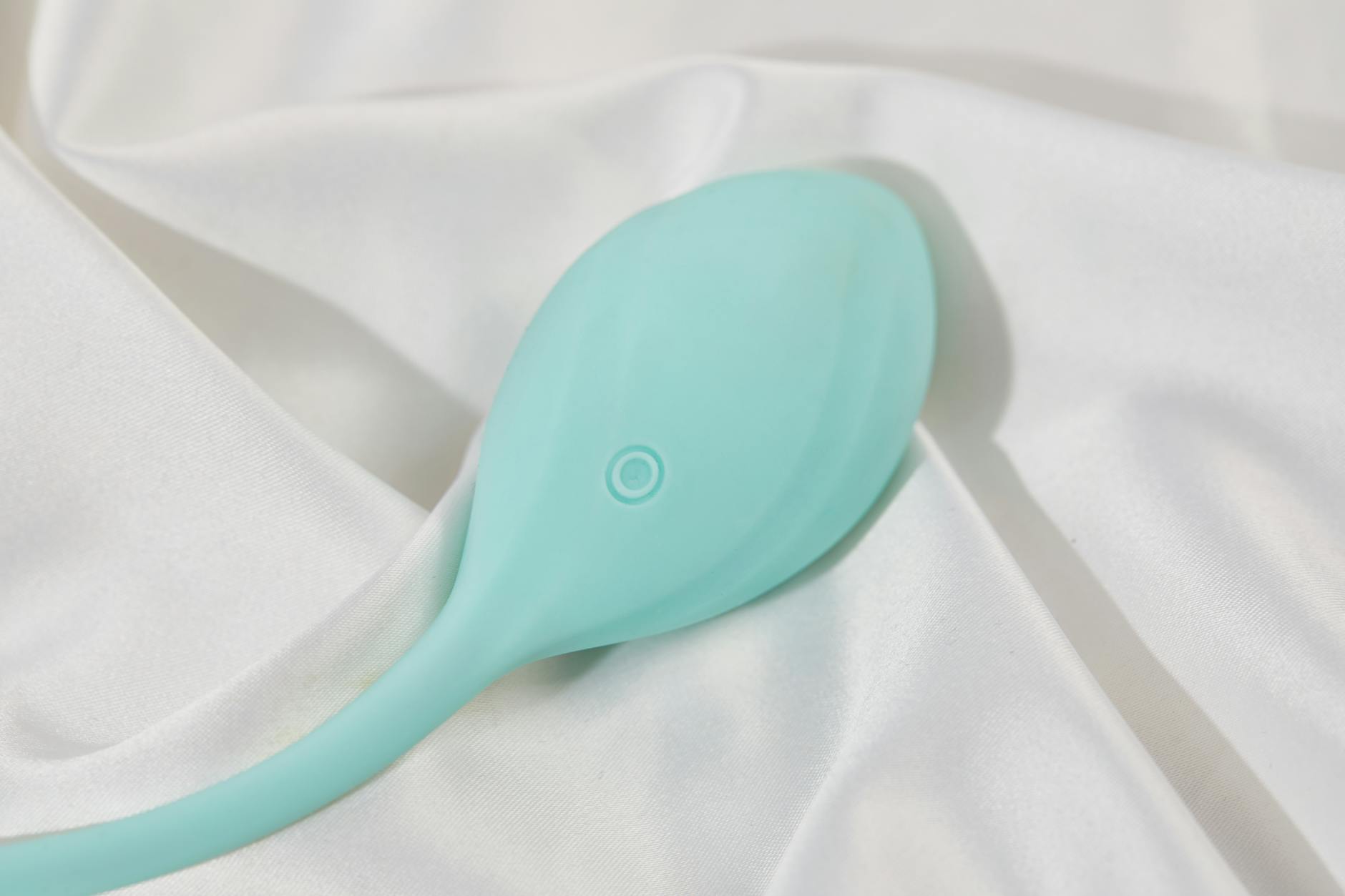
Photo by IFONNX Toys on Pexels
What matters more than the settings
Consistency beats intensity. If you use the lemon vibrator twice a week for two minutes on the highest setting, you'll rebuild sensation more slowly than if you use it five times a week for ten minutes on a medium setting. Your nervous system responds to regular, moderate stimulation better than it responds to occasional high-intensity input.
This is also true for medication timing. If you're on something that affects sensation, ask your doctor about the timing of your dose. Some medications have windows where sensation is slightly better. If you know yours, you can work with that timing.
Relax your pelvic floor while you're using the lemon vibrator. Low sensation often comes with pelvic floor tension. You clench because you're trying to feel more, and the clench actually creates a barrier between you and sensation. Sounds backwards. It's real. Practice breathing into your pelvic floor. When you notice yourself tensing, release it gently.
When you should check in with a professional
If you've been consistent for eight weeks and sensation hasn't budged, that's worth mentioning to your doctor. Low sensation can be a signal that something else is happening. Sometimes it's medication related and fixable with a dosage adjustment. Sometimes it's hormonal and responsive to topical treatments. Sometimes it points to an underlying condition that benefits from specific care.
That's not failure. That's information. Getting the right support isn't giving up on pleasure. It's investing in it.
The timeline for feeling something again
Most people notice a measurable shift in sensation within three to four weeks of consistent lemon vibrator use. By week six or eight, the shift is usually obvious enough that they report genuine interest in the experience. By twelve weeks, many people say they're either reaching orgasm again or experiencing something close enough that they're satisfied.
Some people take longer. Antidepressants can take months or years to resolve sensation loss even if you find the right dosage. Hormonal changes sometimes need hormonal support before sensation comes back fully. That's normal.
What matters is that sensation usually does return when you create the right conditions and give it time. Low sensation is not permanent. Your body is not broken. It's just speaking more quietly right now, and a lemon vibrator is one of the best tools for learning to listen.
People Also Ask
Can low sensation go away on its own without a vibrator?
Sometimes. If the cause is stress or situational hormones, sensation might return once that resolves. But if it's medication-related or hormonal on an ongoing basis, sensation usually stays low until something changes. A lemon vibrator speeds up recovery and trains your nervous system to be more responsive. That training doesn't go away even if the cause of the low sensation does.
How do I know if I have low sensation or just low libido?
Low libido is about wanting pleasure. Low sensation is about feeling it. You can have both, or just one. Think about it this way: if you touch yourself right now and feel pretty much nothing, that's low sensation. If you touch yourself and feel normal sensation but zero interest in continuing, that's low libido. They need different solutions.
Is it normal for a lemon vibrator to feel like nothing at first?
Completely. If you have significantly low sensation, even a lemon clitoral vibrator might feel subtle at first. That's exactly why I recommend starting on low settings and giving it time. You're not supposed to feel fireworks on day one. You're supposed to feel something reproducible and distinct. Fireworks come later.
Should I use numbing lube with a lemon vibrator if I have low sensation?
Absolutely not. Numbing lubes are specifically designed to reduce sensation further. Use water-based lubricant without benzocaine or any cooling agents. You want to amplify what you can feel, not dampen it further.
Can I combine a lemon vibrator with other devices if low sensation persists?
Sure. Some people benefit from layering a lemon vibrator like the Lem with a wand vibrator, or alternating between them. That said, I usually recommend giving one tool at least six to eight weeks before adding another. You want to know what each device teaches you about your sensation before you combine them.
How long until I should expect an orgasm with a lemon vibrator?
This varies wildly. Some people have an orgasm the first time. Others take weeks or months. Don't chase that outcome. If you're focused on whether you're going to come, you're not focused on sensation. Sensation is what leads to orgasm. If you rebuild the sensation without expecting an orgasm immediately, the orgasm usually follows. It's backwards from what you'd think, but it's how the nervous system actually works.
Low sensation is frustrating. It's also not a life sentence. A lemon vibrator, used consistently and thoughtfully, rewakes your nervous system. You deserve to feel pleasure again. That's not a nice thing to hope for. That's a reasonable outcome with the right approach and a little bit of time.