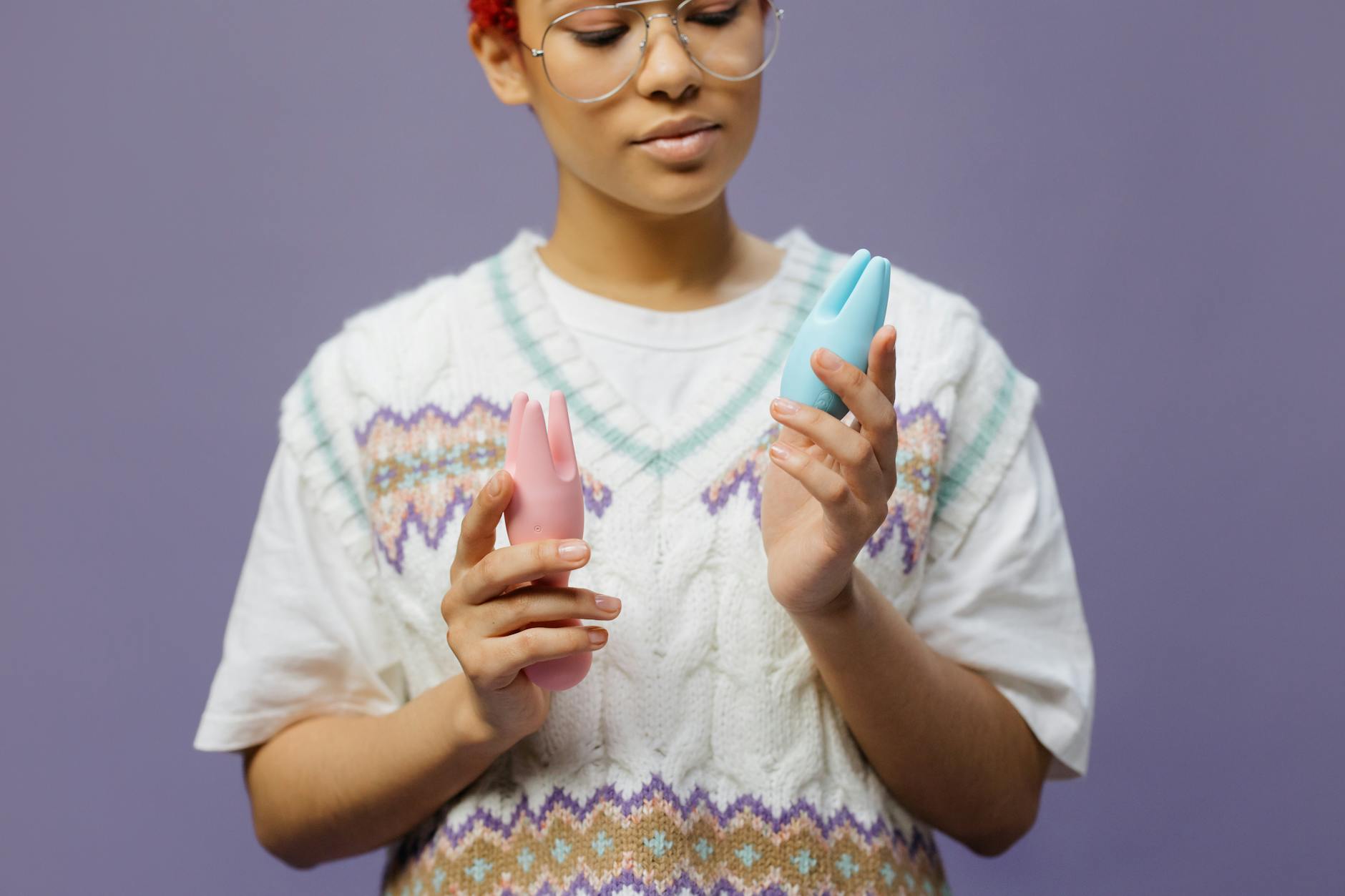
Let's talk about what nobody mentions
Gynecological surgery changes the landscape. Your body heals from trauma. Pain meds cloud sensation. And somewhere underneath all that, pleasure is still there waiting. The trick is knowing how to find it again without rushing, without guilt, and without pushing your body before it's ready.
After hysterectomy, endometriosis excision, fibroid removal, or other pelvic surgery, many people feel untethered from their own sexuality. That's not weakness. That's biology. Your nervous system has been through an event. Rebuilding pleasure is a skill you can practice, and tools like the Lem can make that practice gentler and more effective than you'd expect.
The first rule: timing matters more than you think
Most gynecologists give the all-clear for penetrative sex at 6-8 weeks post-op. That doesn't mean you're ready for everything. Internal scar tissue is still forming. Nerve pathways are recalibrating. Your pelvic floor muscles are weakened from immobility.
Clitoral stimulation is different. The clitoris doesn't have surgical incisions. Your provider will likely clear external touch much earlier than penetration, sometimes even at 2-3 weeks for very gentle contact. A clitoral vibrator like the Lem is a perfect fit for this timeline because it's external, controlled, and you set the intensity.
That said, ask your surgeon before starting any stimulation. Every surgery is different. A straightforward fibroid removal is not the same as endometriosis excision involving bowel adhesions. Get their specific green light, then proceed with the caution you'd give a good friend.
Why suction-based lemon vibrators work better post-surgery
Traditional vibrators use rapid oscillation. That's helpful in some contexts, but after surgery, it can feel jarring, too intense, or even painful as nerves re-awaken. A lemon clitoral vibrator using gentle suction works differently. Instead of vibration shaking the tissue, suction gradually draws blood flow to the area, stimulating nerves without the direct mechanical pressure that can aggravate healing tissue.
For people rebuilding sensation after surgery, suction is also easier to control. You can start at the gentlest pattern, let sensation build slowly, and stop instantly if anything feels off. There's no buzzing numbness afterward that can happen with traditional vibrators. Just gentle stimulation, then rest.
The timeline: how to rebuild pleasure gradually
Weeks 1-2 post-op: Zero external stimulation. This is rest and healing time.
Weeks 3-4: If your surgeon okayed it, gentle touch only. Lie down, warm up mentally first (read something that sparks interest, think about things that normally turn you on), and spend 2-3 minutes with just fingertip contact to the outer labia and clitoris. No tool yet. You're teaching your nervous system that touch is safe again.
Weeks 5-6: Introduce the Lem on the gentlest setting. Start at pattern 1 for 30 seconds to 1 minute, then stop. Not to orgasm. Just to feel. This is data-gathering. How does it feel? Does it hurt after? Does sensation return a few hours later, or stay numb? Track this.
Weeks 7-8: You can gradually increase time and intensity if everything feels good. Move to pattern 2 or 3. Spend 5-10 minutes exploring. Still no pressure to finish.
Week 9+: If arousal is building naturally and there's no pain, you can explore orgasm if you want to. Many people find that their first post-surgery orgasm takes longer to build, feels softer, or comes in waves instead of a peak. All of that is normal.
This timeline assumes a straightforward surgery and uncomplicated healing. If you're dealing with chronic pelvic pain, endometriosis recurrence, or complex adhesions, you might move through these stages more slowly. That's not failure. That's honoring what your body actually needs.
Pain is information, not permission
Here's the thing: if something hurts during recovery, you stop. Full stop. Not because you're weak, but because pain is your nervous system's way of saying a tissue isn't ready yet. Many people push through because they're eager to feel normal again. That usually backfires. You'll develop anticipatory tension, pelvic floor dysfunction, or fear around touch.
Some soreness in the first few weeks is typical. But sharp pain, cramping, spotting, or any sensation that feels "wrong" means you've gone too far too fast. Pull back, wait a few more days, and try again at a lower intensity.
If pain persists beyond 8-10 weeks, talk to your surgeon or request a referral to a pelvic floor physical therapist. Scar tissue can sometimes create trigger points that need specific hands-on therapy. A vibrator alone won't fix that, and you shouldn't try to push through it.
Managing the psychological piece
After surgery, your relationship to your body often shifts. You might feel disconnected from it, angry at it, or scared of it. That's grief. Your body looks different, feels different, and functions differently. Even if everything is medically fine, the emotional recovery can be slower than the physical one.
Pleasure isn't just physical. If your brain is convinced your body is damaged goods, no vibrator is going to fix that. Before you pick up the Lem, sit with the grief for a minute. Acknowledge what you've lost. Then decide what you're willing to rebuild.
Many people find it helpful to reconnect with their body in non-sexual ways first. Massage, stretching, swimming, or just time naked in front of the mirror. When your nervous system starts to feel safe in your own skin again, pleasure often follows naturally.
If you're struggling with depression, anxiety, or trauma related to the surgery, talk to a therapist who specializes in surgical recovery or sexual health. There's zero shame in that. Your mind and body need to heal together.
Building back with a partner (if that's relevant)
If you have a partner, they're probably anxious too. Worried about hurting you, confused about boundaries, unsure when they're "allowed" to want sex again. That uncertainty can kill intimacy faster than the surgery itself.
Have a conversation early. Not during a moment of potential intimacy, but during a regular day. Tell them what your surgeon said, what your body actually feels like right now, and what you're comfortable exploring. This removes the guessing game.
If you want to use a lemon clitoral vibrator and involve your partner, that can be incredible for rebuilding connection. They could hold it, watch your face, or just be present while you explore solo. The key is communication before, during, and after. No surprises.
Some people find that after surgery, they actually want less penetration or less intensity from a partner. That's not a rejection of the partner. That's your body telling you what it needs right now. Honor that. <a href="/blog/how-to-use-lemon-vibrator-when-rekindling-desire-after-long-term-relationship-stagnation">Rebuilding desire in a long-term relationship</a> takes time, but starting from a place of honesty accelerates it.
What to expect emotionally when pleasure returns
The first time sensation really returns after surgery, it can hit hard. Some people cry. Some feel an overwhelming rush of relief. Others feel almost nothing and think they'll never feel pleasure again. Then, two weeks later, something shifts.
This is normal. Your nervous system is literally rewiring. Sensation doesn't return all at once. It comes back in patches. You might have feeling in your clitoral tip before the surrounding area lights up. That's fine.
Some people find that their pleasure response is different post-surgery. Orgasms might feel less intense, take longer to build, or feel located differently in the body. That doesn't mean something is wrong. It means you're learning your body again. That learning process, weirdly, can lead to deeper pleasure than before.
FAQ: Common questions about recovery and pleasure
Can I use a lemon vibrator while still on pain medication?
Technically, yes. But mentally, probably not yet. Pain meds dull sensation, which is why touch might feel numb or weird. You won't get useful feedback about what your body actually feels. Wait until you're off heavy painkillers before introducing a vibrator. You want to feel what's happening.
What if I have scar tissue that makes touch uncomfortable?
Scar tissue can create real physical restrictions. A general vibrator won't address that. Talk to a pelvic floor physical therapist. They can do manual release work and teach you self-massage techniques. Once scar tissue loosens, pleasure usually becomes possible again. It takes patience, but it works.
Is it normal for pleasure to feel completely different after surgery?
Yes. Your anatomy has changed slightly, your nerve pathways have healed in a specific way, and your body has been through trauma. Pleasure will recalibrate. What felt good before might not feel the same. And what you'd never tried before might become your favorite. Approach it with curiosity, not expectation.
How do I know if I'm pushing too hard in recovery?
If you wake up the day after using a vibrator with increased pain, spotting, or fatigue, you went too far. If you feel fine the next day and even energized, you found your edge. Back up slightly from that point and stay there for a week before increasing again.
Can I use a lemon clitoral vibrator if I had a hysterectomy?
Absolutely. The hysterectomy removed your uterus, but your clitoris, labia, and nerve endings are completely intact. Clitoral pleasure is entirely possible post-hysterectomy. Some people report it's even more accessible because there's no uterine cramping to manage.
What if I'm not interested in pleasure right now and that's okay?
It's completely fine. Not every person wants to rebuild sexual pleasure immediately after surgery. Some need months to feel ready. Some need to do internal work first. The Lem will still be there when you're interested. There's no deadline.
The bottom line
Gynecological surgery is real trauma. Your body just survived something. Rebuilding pleasure is part of rebuilding trust in yourself. Start slowly, listen to the feedback your body gives you, and remember that healing doesn't move in a straight line.
Tools like a lemon clitoral vibrator aren't magic. But they are precise, controllable, and gentle in ways that can make the rebuilding process easier. You deserve to feel good in your own skin again. That takes time, but it absolutely happens.
If you're struggling emotionally or physically with recovery, reach out. Talk to your surgeon, see a pelvic floor therapist, or work with someone who specializes in sexual recovery. <a href="/contact">Get in touch with Hello Nancy Lemon Shop</a> if you have questions about how a lemon vibrator might fit into your specific recovery timeline.