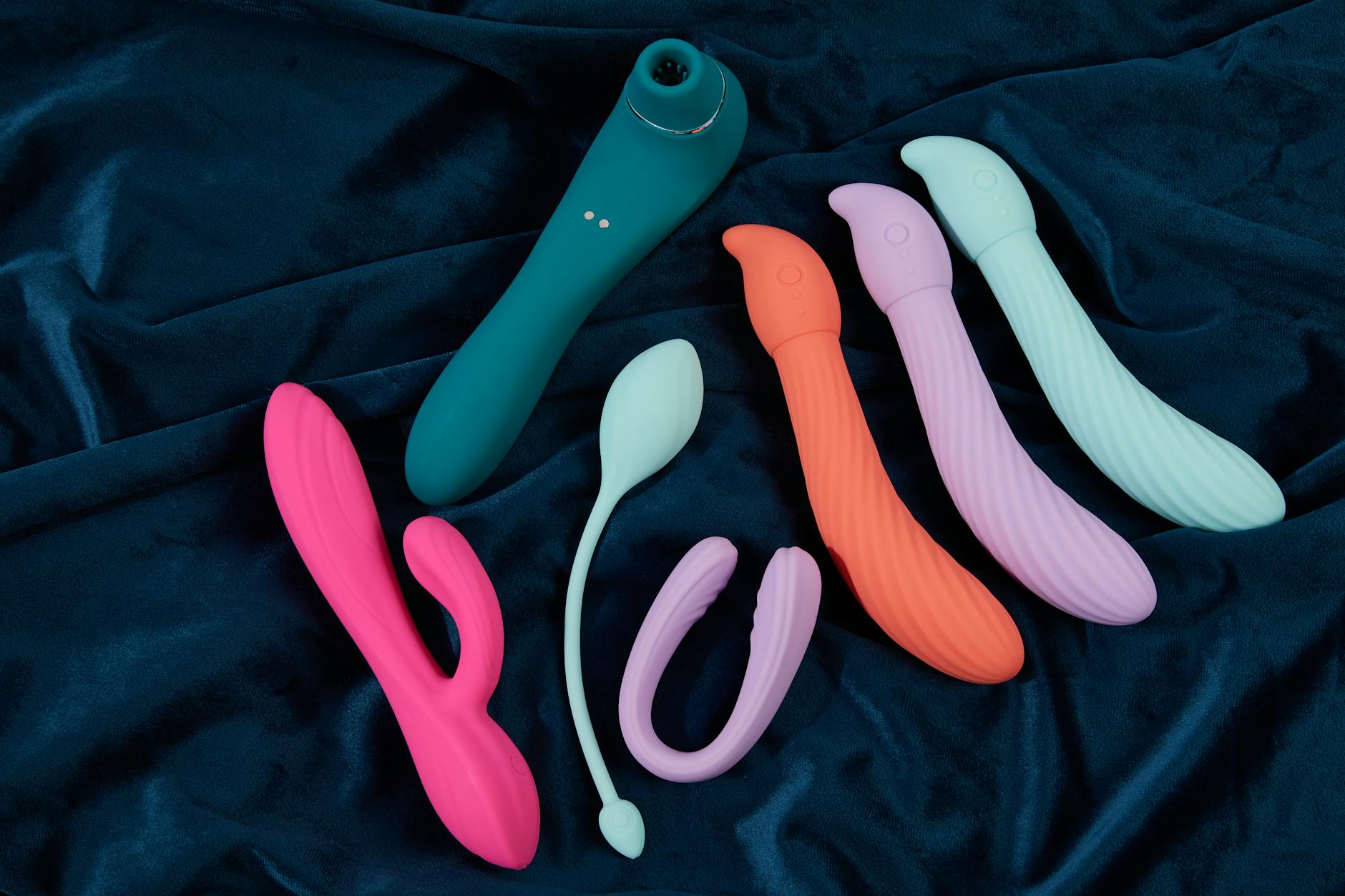
Let's be real about what hormonal changes actually do
Hormonal fluctuations change how your body responds to touch. Estrogen affects tissue thickness, lubrication, and blood flow to the genitals. Testosterone influences desire itself. The pelvic floor loses elasticity. All of this is physiologically true and none of it means your pleasure window is closing. It means it's shifting, and if you work with that shift instead of against it, the experience often improves.
The problem is that most tools and advice were designed for a baseline body, not a changing one. That's where lemon vibrators come in. The way they deliver stimulation actually aligns better with what your body needs during and after hormonal transitions.
How tissue changes affect stimulation
When estrogen drops, vaginal and vulval tissue becomes thinner and less elastic. This happens gradually, sometimes over years, and it affects sensation in specific ways. Direct, high-intensity friction can feel uncomfortable or even painful. Low-frequency rumble and broad-surface stimulation? Those feel better. They reach deeper nerve clusters without the mechanical pressure that causes irritation.
This is why traditional vibrators with tight, fast oscillation can suddenly feel too sharp or abrasive. A lemon clitoral vibrator uses suction and gentle pulsing instead of rapid vibration. The stimulation spreads across a wider tissue surface, which means less localized pressure and more distributed pleasure. Your tissue is still sensitive. It's just sensitive differently.
The suction mechanism in a lemon vibrator also increases blood flow to the area, which naturally counteracts some of the reduced circulation that comes with lower estrogen. More blood flow means more engorgement, more natural lubrication, and faster arousal. You're not forcing your body to respond the old way. You're giving it a tool that matches its current operating system.
Why sensation timing matters more now
Arousal takes longer after hormonal shifts. This isn't failure. It's just biology. Your nervous system needs more time to build the cascade that leads to pleasure.
Lemon vibrators are built for this. Because they use suction rather than percussion, you can spend 20 minutes in lower patterns building sensation gradually without fatigue or irritation. The stimulation builds steadily instead of spiking. Many people find that this sustained, climbing sensation creates more intense orgasms than the rapid escalation they experienced before. It's not faster. It's deeper.
You also have more control. If you're using a lemon vibrator with multiple patterns and intensities, you can stay in patterns 1 through 3 for as long as you need, ramping up only when your body signals readiness. This removes the pressure to force arousal, which paradoxically makes arousal easier to access.
Lubrication changes and what actually helps
Lower estrogen means less natural lubrication. This is unavoidable and worth addressing directly. Water-based lubricant is your foundation. Use it every time, not because you're broken, but because thinner tissue benefits from it. Silicone-based lubes feel richer but can damage silicone toys, so stick with water-based.
Here's what changes when you use a lemon vibrator with adequate lubrication: the suction mechanism works smoothly without dragging or catching. The lube reduces any remaining friction while the toy's design ensures the stimulation itself stays gentle. You get consistent, comfortable sensation without the worry of irritation that can follow traditional vibrator use with atrophied tissue.
Some people also find that switching to a toy specifically designed to work with hormonal changes shifts their relationship with lubrication itself. Instead of seeing it as a sign of something missing, you recognize it as part of an effective system. Lube plus suited tool equals pleasure. That's chemistry, not compromise.
The pelvic floor factor
Pelvic floor tension increases as estrogen drops. This can make orgasm feel muted or create the sensation of needing to "push" to reach climax. A tight pelvic floor also reduces blood flow, which compounds arousal challenges.
Lemon vibrators actually support pelvic floor relaxation in two ways. First, the gentle, sustained stimulation teaches the pelvic floor to soften gradually rather than grip. Second, as blood flow increases from the suction action, the tissue naturally relaxes. Over weeks of consistent use, many people report that their pelvic floor tension decreases, which opens up sensation they thought was gone.
This is one of the clearest ways a lemon clitoral vibrator works differently than other tools. It's not forcing a response. It's creating conditions where your body's natural relaxation response takes over.
Building a sustainable pleasure practice
After hormonal changes, pleasure works better as a regular practice than an event. This sounds clinical but it's actually freeing. When you use a lemon vibrator two or three times a week, your body begins to anticipate and prepare. Arousal gets faster. Sensation gets clearer. Orgasms build more reliably.
This is the opposite of the pressure many people feel after hormonal shifts. You're not trying to force a "normal" experience. You're building a practice that matches your current body. Over time, that practice often brings sensation that feels sharper and more present than pre-hormonal versions.
The consistency also matters for relationship dynamics. If you have a partner, regular solo practice with a lemon vibrator means you know your body's patterns, timings, and preferences. You arrive at partnered sex with better information, which improves communication and reduces performance pressure.
When to layer in other support
Lemon vibrators are powerful tools but they're not replacements for medical care when medical care is needed. If you're experiencing pain during sex, if arousal is completely absent, or if the tissue changes are severe enough to affect daily comfort, see a doctor trained in hormone health. Topical estrogen creams, systemic hormone therapy, or other interventions might be part of your picture. None of those conflict with using a lemon vibrator. They complement it.
If you're working with a partner through these changes, how couples use lemon vibrators together can transform both the physical experience and the emotional one. Shared exploration removes the isolation that sometimes accompanies hormonal shifts.
The bottom line
Your body changed. Your capacity for pleasure didn't. A lemon clitoral vibrator isn't a workaround for aging or hormonal transition. It's a tool engineered specifically for how your body works now. Suction instead of vibration. Sustained stimulation instead of rapid escalation. Broad-surface contact instead of point pressure. These aren't compromises. They're alignments.
Many people find that their most satisfying sexual experiences arrive on the other side of hormonal shifts, precisely because they stopped fighting their body's new operating system and started working with it. A lemon vibrator makes that transition clearer, faster, and genuinely more pleasurable.
FAQ
How long does it take for a lemon vibrator to feel better than my old vibrator?
Most people notice a difference within 3 to 5 uses. The suction action feels different immediately, but your pelvic floor and arousal patterns take time to recalibrate. Give it 2 to 3 weeks of regular use before deciding whether it's right for you. Your body is adapting to the new stimulation pattern, which is gradual.
Can I use a lemon vibrator if I'm on hormone therapy?
Absolutely. Whether you're taking systemic hormone replacement, topical estrogen, testosterone, or any combination, a lemon vibrator works alongside those treatments. If anything, hormone therapy can improve your response because it supports tissue health. The vibrator and the therapy are complementary.
What if lemon suction feels too intense on sensitive tissue?
Start with the lowest intensity setting and stay there until your body adjusts. You can also reduce contact time, using the vibrator for 10 to 15 minute sessions instead of longer ones while you acclimate. Many people find that after a week or two, their tissue tolerates the suction beautifully. If intensity remains uncomfortable, ensure you're using water-based lubricant and that your pelvic floor isn't tensing in anticipation of discomfort.
Do lemon vibrators work better for pleasure after 40 than they do for younger people?
They work differently, not better or worse. People over 40 with hormonal changes often find lemon vibrators solve specific tissue and arousal challenges. Younger people without those changes might find them equally pleasurable for different reasons. The design benefits anyone whose body responds better to suction than to rapid vibration, regardless of age.
Should I use a lemon vibrator solo or with a partner?
Both work. Solo use lets you learn your body's patterns without performance pressure, which is especially valuable during hormonal transitions. Partnered use can deepen intimacy if communication is clear. Many people alternate between the two, using solo sessions to understand their body and partnered sessions to explore connection. There's no right answer beyond what brings you pleasure.
How do I know if hormonal changes are affecting my pleasure or if something else is going on?
Timing is one clue. If pleasure shifts coincide with menstrual cycle changes, perimenopause, or other hormonal events, hormone is likely part of the picture. But relationship stress, depression, medication, and life transitions also affect desire and sensation. If you're unsure, talking with a therapist or doctor trained in sexual health can help you untangle the causes. Often it's more than one thing, and lemon vibrators support the physical side while other support addresses the rest.