Let's talk about what grief does to desire
Grief is a body experience. It lives in your chest, your stomach, your legs when you're trying to sleep. One of the things nobody warns you about is that grief also shuts down pleasure. Not because you want it to. Because your nervous system is protecting you, and protection feels like numbness.
Then one day, without permission, a spark returns. Maybe it's a song, a moment of sunlight, or just your body remembering that it used to want things. And suddenly you're caught between two truths: you're ready to feel something, and you're terrified of what that means.
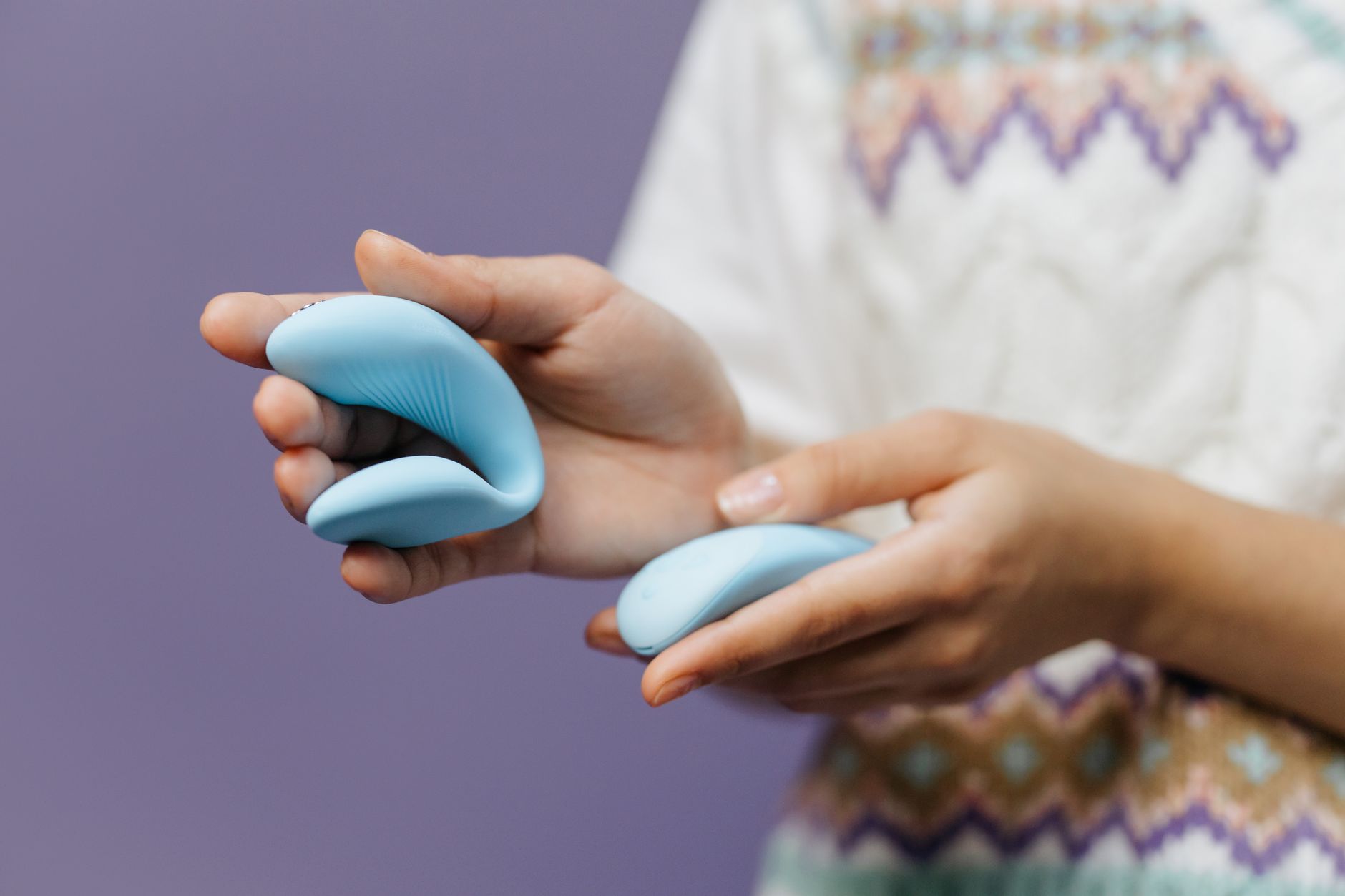
That's the threshold where lemon clitoral vibrators become genuinely useful. Not as a cure. As a bridge.
Why pleasure feels complicated after loss
When someone dies, or a relationship ends, or your life cracks open in some other way, your brain makes an unconscious deal. If you stop wanting, you stop being vulnerable. If you're not invested in pleasure, you can't lose it again. It's a survival mechanism, and it works. It also leaves you numb.
Even when your mind knows you're ready to live again, your body doesn't always get the memo. You might feel guilty for wanting pleasure. Or strange, like you're betraying whoever or whatever you lost. Or disconnected entirely, like pleasure belongs to someone else's life, not yours.
Lemon vibrators help with this specific complexity because they're not about performance or proving anything. They're not about speed or intensity. They're about creating a conversation with your own body again, in small, controllable increments.
The design matters when you're coming back
Lemon sucker vibrators work through gentle air-suction stimulation rather than direct friction. This matters when you're grieving because your nervous system is still in recovery mode. Direct vibration can feel too intense, too much, too demanding. Suction is different. It builds gradually. You control the rhythm. Your body can say no without guilt.
The shape matters too. Lemon vibrators are designed to be intuitive, which means you're not fumbling with complicated settings when you're already nervous. You're not fighting the tool. That friction, however small, can derail the whole thing.
Most importantly, lemon sexual toys are small enough to feel non-threatening. Size carries weight when you're rebuilding relationship with your own body. Something that fits in your palm, that you can pick up and put down without ceremony, is easier to approach than something that feels like A Big Deal.
How to start when you're not sure you're ready
Three practical things that matter:
First, expect nothing. Seriously. The goal is not orgasm. The goal is your hand on the clitoral area, the device on your skin, five minutes of attention directed inward. If pleasure happens, it's a bonus. If it doesn't, you still showed up for yourself, and that's the win.
Second, create actual permission. This is not selfish. This is not betrayal. This is not you moving on too fast or being disrespectful to whoever or whatever you lost. Grief and pleasure can exist in the same person. You can miss someone deeply and want to feel good. These are not opposing forces.
Third, use water-based lubricant. Your body might not produce as much natural lubrication when you're stressed or grieving. This isn't malfunction. It's just what happens. Lube makes everything easier, and easier is what you need right now.
The first time you reconnect
Here's what I usually recommend. Choose a time when you have actual privacy and actual time. Not rushed, not listening for footsteps. Lie down, or sit somewhere comfortable. Spend ten minutes doing absolutely nothing. Breathing, noticing your body, no goal.
Then, use the lemon vibrator on the lowest setting. Don't aim for climax. Just feel what it feels like. Your nervous system is learning that pleasure is safe again, and that's a process. It takes repetition. It takes gentleness. Some days you'll feel everything. Some days you'll feel nothing, and that's okay.
The patterns that work after grief are usually low intensity, longer duration. Your body is relearning trust. Rush it, and you'll shut down again. Honor the slowness, and something shifts.
When grief and pleasure start to coexist
Here's something that surprises people. Once you get past the initial threshold of reconnection, pleasure after loss often feels different. Deeper, sometimes. More real. You've been broken open already. There's less performance in it. Less "supposed to."
That doesn't mean it's always easy. Some days you might use your lemon vibrator and find yourself crying, which is totally normal. Pleasure and grief aren't separate rooms. They're braided together for a while. The suction stimulation can sometimes unlock emotions that were stuck. That's not failure. That's healing.
If you have a partner, you might find that solo pleasure actually helps rebuild couple intimacy. When you're reconnected to your own body, you have something to bring to shared experience. You're not as desperate, not as afraid. You're more present. Read more about this in our guide on how to use a lemon vibrator with a partner who wants to keep things slow.
The role of self-compassion
This is the part I need you to really hear. If you're someone who's experienced loss, your body has done something incredible. It's protected you. It's adapted. Even the numbness was a gift at the time. Now, as you're reconnecting with pleasure, you're not overriding that protective mechanism. You're gently teaching your nervous system that it's safe to feel again.
That's not weak. That's brave. And it deserves gentleness, not judgment.
Lemon clitoral vibrators are a tool for that gentleness. They're not a substitute for therapy, for time, for the other work of grief. But they're a practical way to tell your body: I'm here, you're safe, and pleasure is still available to you. Sometimes that message needs to come through skin first, before your mind can fully believe it.
When to seek additional support
If pleasure never returns after six to twelve months, or if you find yourself using vibrators compulsively to escape rather than connect, talk to a therapist who specializes in grief. Some people need help rewiring their nervous system beyond what self-touch can offer. That's not failure. That's wisdom.
If you're in a partnership and your partner is also grieving, consider grief counseling together. Shared loss can affect intimacy in complex ways, and sometimes you need help navigating that as a team.
But for most people, the path back is slower and simpler than expected. You use your lemon vibrator a few times a week. You notice small moments of sensation returning. You stop feeling guilty about it. One day you realize you're actually excited about pleasure again, not just performing it or chasing it. That's when you know the reconnection is real.
People also ask
Is it normal to feel guilty about pleasure after loss?
Completely normal. Your brain associates pleasure with vulnerability, and you've just been reminded how vulnerable loss can make you. That guilt usually fades as you practice reconnection. The more you allow yourself small moments of pleasure, the less transgressive it feels. Your nervous system needs repetition to learn that desire isn't dangerous.
How long does it typically take to reconnect with pleasure after grief?
There's no standard timeline. Some people reconnect within weeks. Others take months or longer. This depends on the type of loss, your relationship to your body before the loss, whether you have support, and your own nervous system's pace. Be patient with yourself. Healing isn't linear, and pleasure doesn't follow a formula.
Can lemon vibrators help if I'm grieving and single?
Yes. In fact, solo reconnection is often easier because you're not navigating someone else's needs or timeline. A lemon clitoral vibrator lets you explore your own pleasure at your own pace, without the emotional complexity of a partner's presence. That rebuilds your sense of agency in your own body, which is foundational.
What if I feel sad or cry while using a lemon vibrator?
That's actually really common and healthy. Pleasure and emotion are connected. When you're grieving and starting to feel again, emotions can surface during physical pleasure. Your body is processing. Let it happen. Keep tissues nearby and practice self-compassion. Crying during pleasure after loss is not a sign you're doing something wrong. It's a sign you're truly reconnecting.
Should I use a lemon vibrator if I'm on antidepressants that affect sexual response?
Maybe, but talk to your prescriber first. Some medications genuinely affect nerve sensitivity. A lemon vibrator can sometimes help bridge that, but not always. If pleasure is completely muted even as you're healing emotionally, that's worth discussing with your doctor. It might be a medication side effect, or it might be part of grief that needs additional support. The vibrator is a tool, not a replacement for medical consultation.
Is it disrespectful to my deceased partner to feel pleasure again?
No. It's actually the opposite. Choosing to live fully, to feel, to allow your body joy again, is a way of honoring the life you had and the life you're still building. Grief doesn't require you to stop experiencing good things. You can miss someone completely and still deserve pleasure. Both truths exist at the same time.
Moving through reconnection
Grief changes you. It also teaches you things about pleasure you didn't know before. When you reconnect slowly, with gentleness and without performance, you often discover that pleasure is simpler and deeper than you remembered. Not because the pleasure itself changed, but because you did.
A lemon vibrator is just silicone and electronics. But in the hands of someone learning to feel again, it becomes something more. It becomes permission. It becomes a small act of self-trust. It becomes proof that your body still knows how to want, even after it's been broken.
That matters. Your pleasure matters. Welcome back.