Here's what you need to know upfront
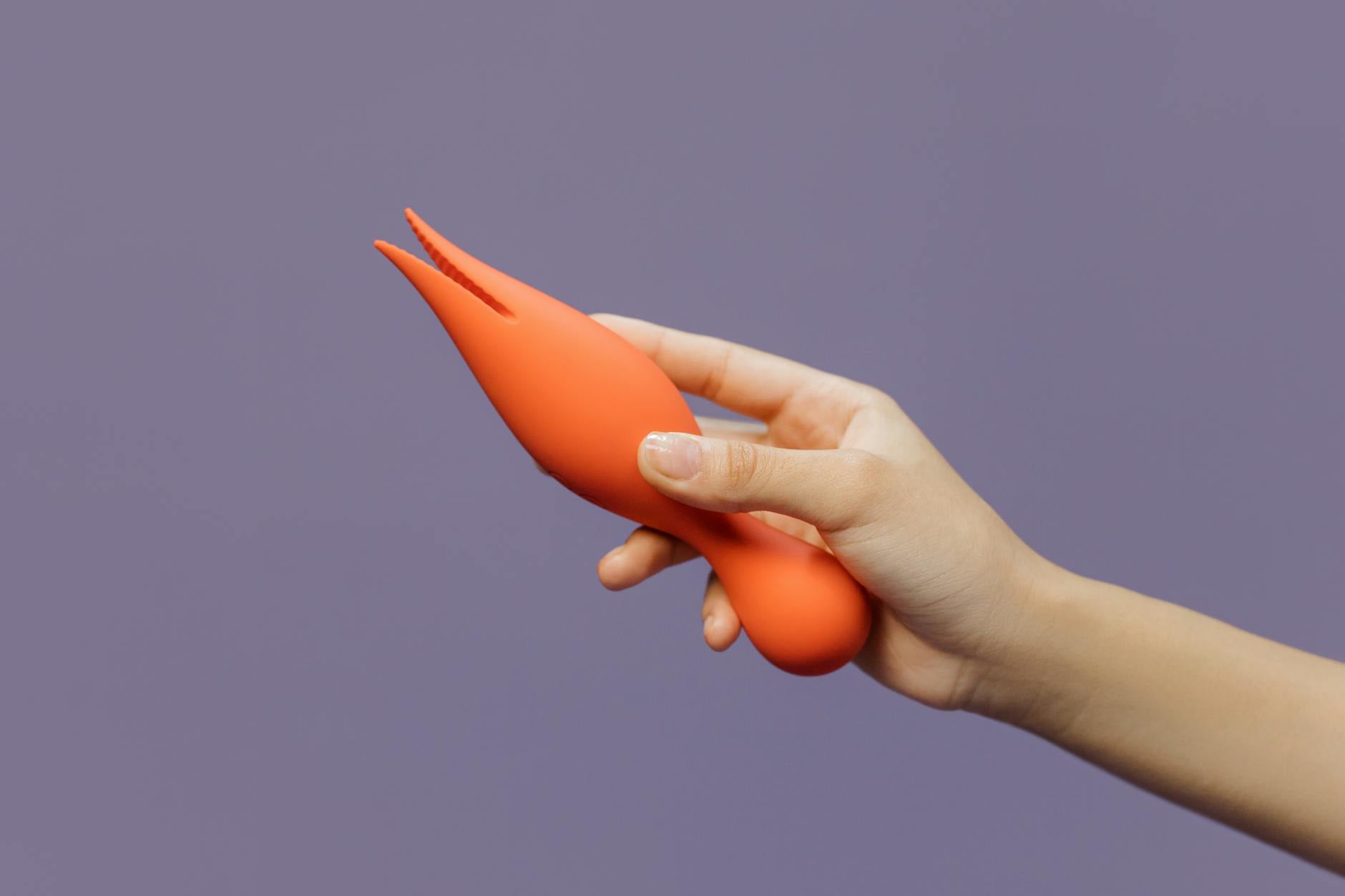
Sensitive skin down there is not a barrier to pleasure. It's a different set of variables you need to work with. A lemon clitoral vibrator can feel amazing for sensitive skin, but only if you understand how the toy itself, the lube, temperature, and your hygiene routine all change the experience.
I work with plenty of people who've avoided vibrators because past attempts left them irritated, swollen, or uncomfortable for hours. Usually, the vibrator wasn't the problem. The preparation was.
Why sensitive vulvar skin reacts differently
Your vulva has a thinner outer layer of skin than almost anywhere else on your body. The pH is acidic by design. The tissue is packed with nerve endings but relatively few of the protective barriers that, say, your forearm has. That's partly why sensation is so intense there. It's also why irritation travels fast.
When you're dealing with sensitive skin on your vulva, you're working with a biology that doesn't forgive shortcuts. A lemon vibrator feels different because the material, the friction, the temperature, and what you've applied beforehand all interact directly with that delicate tissue.
The good news? Once you know what triggers irritation, using a lemon suction vibrator becomes completely manageable. Better than manageable. Many of my clients with sensitive skin report that the lemon's suction pattern is actually gentler than traditional vibration, once they've dialed in their setup.
Silicone quality matters more than you think
Not all silicone is the same. Medical-grade silicone (what Hello Nancy uses in the lemon vibrator) is nonporous, holds its shape, and doesn't leach chemicals into your body. Cheaper silicone can, and it does irritate sensitive skin.
When you're shopping for a clitoral vibrator and you have reactive skin, the material itself is your first filter. Medical-grade silicone is smoother, less likely to trap bacteria, and gentler on your tissue barrier.
But even with good silicone, texture matters. The lemon's smooth surface is actually an advantage for sensitive skin because it reduces micro-friction. Some vibrators have textured patterns or ridges. For sensitive skin, those can feel like tiny repetitive scratches. The lemon's design is intentionally simple.
Temperature and what you do before using it
Cold silicone against warm, sensitive tissue can feel shocking and triggering. Let your lemon vibrator warm to room temperature, or hold it in your hands for 30 seconds before use. This is not optional if your skin is reactive.
What you apply to your vulva matters even more. Here's where most people slip up:
Water-based lubes are your baseline. They're non-irritating, they wash off cleanly, and they won't damage silicone. Brands like Hyalo Gyn, Yes, or basic coconut oil (if you don't have fungal issues) work well. Avoid lubes with glycerin if you're prone to yeast infections. Avoid anything with numbing agents.
Silicone lubes feel richer but can trap bacteria. If your sensitive skin flares with thrush or bacterial vaginosis, stick to water-based. Full stop.
Never use saliva as lube if your skin is sensitive. Saliva has enzymes that break down mucous membranes. It feels natural, but it's a fast route to irritation.
Apply lube generously. Sensitive skin plus direct silicone friction equals irritation. Generous lube creates a buffer.
Start lower and go slower
The lemon vibrator has multiple intensity settings. For sensitive skin, pattern 1 and 2 are often plenty. You're not being cautious. You're being smart. The suction sensation builds intensity even at lower vibration speeds because suction itself is a form of stimulation.
Most people with sensitive skin find that they actually prefer lower-intensity settings because the sensation is clearer and less overwhelming. There's less of that white-noise feeling that high-intensity vibration creates.
Budget 20 to 30 minutes for initial sessions. Slow warm-up gives your tissue time to respond without flooding your nervous system. For sensitive skin, rushing is what causes post-session soreness.
Hygiene before and after changes everything
Sensitive vulvar skin needs a clean environment to respond well. Before using your lemon vibrator, wash your vulva with warm water only, or use a gentle, fragrance-free cleanser designed for that area. Your normal shower soap is too alkaline and strips your skin barrier.
After use, rinse again with warm water. Pat dry gently. If your skin is reactive, wait 10 minutes before applying any product. Let your pH stabilize.
Clean your vibrator the same way. Use warm water and a fragrance-free soap, or the cleaning solution that comes with it. Dry it completely before storing. Bacteria love moisture, and bacteria on silicone against sensitive tissue is how you end up with irritation or infection.
When to pause and when to seek help
Mild tingling right after use is normal, especially when you're starting out. Persistent soreness, burning, swelling, or itching that lasts hours after use means you need to pause and troubleshoot.
Usually, it's one of four things: the lube, the intensity, how long you used it, or hygiene. Start by changing one variable at a time. If you switched to a new lube last session, go back to the one that worked. If you jumped to intensity 4, dial back to 2.
If nothing changes the irritation, you might have a skin condition like vulvodynia or contact dermatitis that needs professional attention. That's not a reason to avoid vibrators. It's a reason to work with a vulvovaginal health specialist (a dermatologist, gynecologist, or pelvic floor physical therapist) to understand what's happening in your tissue.
What sensitive skin actually gets you
Here's the thing that might surprise you: people with sensitive vulvar skin often experience more intense sensation overall. Your nervous system is tuned up. A lemon clitoral vibrator that feels mild to someone else might feel profound for you. That's not a bug. That's actually an advantage, once you know how to work with it.
Many of my clients with reactive skin report that once they've sorted the setup (clean toys, good lube, lower intensity, patient warm-up), their experience with the lemon vibrator is some of the most satisfying they've had. The suction pattern, combined with sensitive tissue, creates a clarity of sensation that they'd missed with other toys.
You deserve a vibrator that feels good in your body. For sensitive skin, that means doing the work upfront. Once you have, the experience is entirely yours.
FAQ: Sensitive skin and clitoral vibrators
Can I use a lemon vibrator if I have vulvodynia?
Vulvodynia is touch-sensitive pain. Using any vibrator requires working with a pelvic floor physical therapist or vulvovaginal specialist first to understand your specific pain pattern. Some people with vulvodynia find that gentle suction (like the lemon at low intensity) feels better than vibration. Others need to avoid genital vibration entirely. Don't guess here. Get professional guidance first.
Is medical-grade silicone really different from regular silicone?
Yes. Medical-grade silicone is tested for purity, doesn't leach chemicals, and is less porous, which means bacteria can't hide in tiny cracks. For sensitive skin, the difference is real. It's one of the reasons to choose a clitoral vibrator from a brand that publishes their material specs.
What if I'm allergic to lubricant?
If water-based lube triggers irritation, you might have a sensitivity to glycerin, propylene glycol, or other common ingredients. Try a different brand or a pure option like fractionated coconut oil (if you don't have a yeast infection history). If nothing works, you can use minimal lube and go very slowly, but talk to a gynecologist first because irritation sometimes signals an underlying condition.
Can I use a lemon vibrator during my period?
Yes, but your vulvar tissue is more sensitive during menstruation because hormone levels drop. You might find you prefer even lower intensity during that week. If you wear a menstrual cup, remove it before use and clean your vibrator after. Contamination is easier during your period.
Will using a vibrator make my sensitivity worse over time?
No. Genital sensitivity doesn't diminish from vibrator use. What sometimes happens is desensitization if you use the same toy at the same intensity for years without variation. Changing patterns, intensity levels, and even switching between toys keeps your nervous system responsive. For sensitive skin, vary your approach.
What's the difference between irritation and an allergic reaction?
Irritation is redness, mild swelling, or tenderness that resolves within a few hours. An allergic reaction includes hives, intense swelling, or itching that lasts or worsens. If you suspect an allergy to the silicone or lube, stop using it and see a dermatologist. Allergic reactions can intensify with repeated exposure.
What to do next
If you're new to vibrators and you have sensitive skin, start with the fundamentals: clean medical-grade silicone, quality water-based lube, lower intensity, longer warm-up, and meticulous hygiene. A lemon clitoral vibrator is designed with this in mind.
Your sensitivity is not a limitation. It's a different kind of access point to pleasure. Once you understand your skin's needs, using a vibrator becomes something you can trust completely. Get in touch if you want to talk through your specific situation or need recommendations tailored to your body.