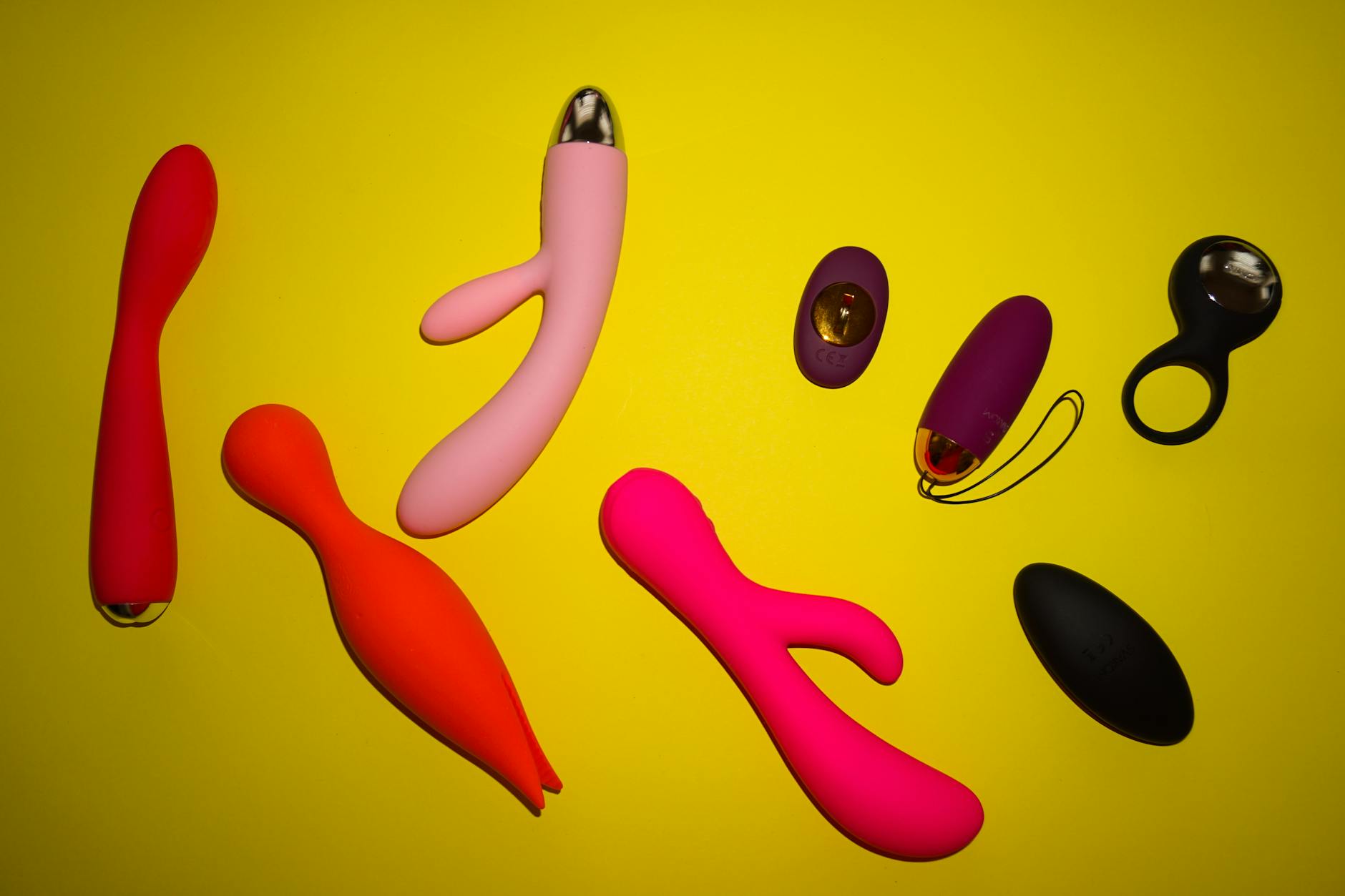
Here's what nobody tells you about perimenopause and pleasure
Perimenopause is not menopause. But it changes your body in ways that absolutely affect how touch feels, how quickly arousal builds, and what kind of stimulation works best. The weird part is that many of these changes are invisible to everyone but you. Your partner might not notice. Your doctor might not mention them. But you feel it.
And if you use a lemon vibrator or any clitoral toy, the shift is worth understanding because it changes which patterns, intensity levels, and techniques actually land.
What's happening hormonally during perimenopause
Perimenopause is the 5 to 10 years leading up to your final period. Estrogen doesn't disappear all at once. Instead it fluctuates wildly, spiking one week and plummeting the next. Progesterone follows a similar erratic pattern. This hormonal noise creates a kind of internal weather system.
Here's what that does to sensation and arousal:
Estrogen affects tissue thickness and lubrication. When estrogen dips, vaginal and clitoral tissue gets thinner and produces less natural lubrication. This doesn't mean you're broken. It means stimulation that felt perfect last month might feel too intense or, counterintuitively, less intense this month because the tissue's responsiveness changes.
Progesterone shifts your baseline arousal. Higher progesterone can dampen desire and make it harder to reach arousal quickly. When it drops, desire often rebounds dramatically. If you've ever noticed your libido swinging like a pendulum, perimenopause is the reason.
Cortisol and adrenaline are elevated. The hormonal chaos triggers your stress response system. You might feel more easily startled, more tense in your pelvic floor, or more distracted during intimate moments. This is physiological, not psychological.
None of this means pleasure disappears. It means your body's settings are being adjusted by hormones you can't control.
How a lemon vibrator responds to these shifts
Unlike a traditional vibrator that relies purely on speed and intensity, a lemon clitoral vibrator uses gentle suction and air pulse technology. This matters during perimenopause because your sensation threshold is changing.
The suction mechanism is less dependent on direct tissue contact and friction than conventional vibration. This means when your tissue is thinner or more sensitive, the lemon vibrator can often feel more comfortable while still delivering consistent, targeted stimulation. You're not grinding against something. You're drawing the tissue gently upward in a rhythmic pattern.
That distinction becomes important on days when your estrogen is low and your clitoral tissue feels more tender. Many people report that patterns 1 through 3 on a lemon vibrator feel more accessible during perimenopause than the high-speed settings on a traditional vibrator, which can feel overwhelming on sensitive days.
The sensation surprises you'll probably notice
Most people entering perimenopause report at least one of these shifts:
Arousal takes longer to build but can feel more complex. Instead of a straightforward climb toward orgasm, arousal might feel more layered. This isn't worse. It's different. Your lemon vibrator's varied patterns (which typically range from gentle pulsing to more intense rhythms) give you more granular control during this extended warm-up phase.
Orgasms might change texture. Some people report orgasms feel less convulsive and more diffuse. Others say they become more intense. Both are normal. The shift often comes from progesterone's effect on pelvic floor tension. A lemon sucker's gentler approach sometimes allows for more sustained, rolling sensations rather than sharp peaks.
Your sensitivity to vibration might flip. You might suddenly find that very high frequencies feel almost numb, while moderate speeds feel more responsive. This is because your nerve receptors' sensitivity to vibration frequency shifts with estrogen. A lemon vibrator's mid-range pulse patterns often hit the sweet spot during perimenopause when traditional vibrators feel either underwhelming or too intense.
Lubrication becomes less automatic. This is the most obvious change and the easiest to address. Water-based lubricant isn't a sign of dysfunction. It's strategic. During perimenopause, it extends comfort and often intensifies sensation because it reduces friction while maintaining contact.
What you can adjust right now
If you already use a lemon clitoral vibrator and you're noticing changes, try these first:
Start on pattern 1 or 2 instead of jumping to your usual intensity. Your nerve sensitivity shifts throughout your cycle and across the years. What felt right at 35 might need recalibration at 45. That's not failure. That's adaptation.
Add lubrication even if you don't think you need it. Estrogen fluctuations make natural lubrication unpredictable during perimenopause. Water-based lube applied to both your skin and the toy's contact surface creates a consistent glide that often feels better than raw contact, regardless of your body's natural output.
Extend your warm-up window. Progesterone's effect on arousal means you might need 20 to 30 minutes of non-goal-oriented touch before stimulation with a toy feels good. This isn't a problem to solve. It's information. Use it.
Shift your timing within your cycle if you can. If you track your period, you might notice that perimenopause makes certain weeks feel dramatically different from others. Pleasure often peaks in the week after ovulation when estrogen rebounds. Having that awareness takes pressure off the weeks when arousal feels sluggish.
When perimenopause pleasure shifts are more than just hormones
Not everything that changes during perimenopause is purely hormonal. Midlife often brings relationship stress, body image shifts, grief, or changes in how you feel about your sexuality. Perimenopause amplifies these because you're also managing physical changes. It's easy to blame hormones for desire that's gone missing when the real issue is disconnection from your partner or unprocessed grief.
A lemon vibrator can't fix that. But it can give you a space to reconnect with your own sensation while you're figuring out the emotional layer. That's valuable, separate from hormones.
If desire has completely flatlined and you've ruled out relationship factors, that's worth discussing with a doctor. Testosterone contributes to desire in people of all genders, and it does shift during perimenopause. A simple conversation might open up options you didn't know existed.
The shifts that mean you should check in with a provider
Most perimenopause-related sensation changes are manageable with the adjustments above. But a few warrant professional attention:
If penetration becomes painful during perimenopause, don't assume it's permanent. Vaginal atrophy is treatable. A gynecologist familiar with perimenopause can recommend topical estrogen or other interventions that work quickly.
If your clitoral area develops persistent pain or numbness, get that checked. Perimenopause can occasionally unmask or exacerbate nerve-related issues that need diagnosis.
If your libido has vanished entirely and nothing you try brings it back, talk to someone. It might be hormonal, but it might also be depression, thyroid function, medication interaction, or relationship disconnection. A perimenopause-informed provider can help you sort it.
FAQ: Lemon vibrators and perimenopause
Does a lemon vibrator work better or worse during perimenopause?
Neither universally. It depends on your individual shift. Because a lemon clitoral vibrator relies on suction rather than direct vibration, many people find it more comfortable on days when their tissue is tender from hormonal fluctuations. But some people prefer traditional vibration. Your best bet is to try different patterns on your device and notice what feels good week to week. Your preference might shift alongside your hormones, and that's completely normal.
Can perimenopause make clitoral stimulation feel numb?
Yes, temporarily. Estrogen influences nerve sensitivity. When estrogen dips, some people report that direct clitoral stimulation feels less responsive. This often improves when estrogen rebounds a few days later. If numbness persists across multiple cycles, mention it to a healthcare provider to rule out other causes. In the short term, try lower intensity patterns and more lubrication to amplify what sensation you do have.
Should I use a different lemon vibrator pattern during perimenopause?
Most people benefit from experimenting. Try starting on lower patterns than your usual go-to. Many discover that perimenopause shifts them toward gentler, longer pulse patterns rather than high-speed vibration. You might also find that what felt perfect last month feels overwhelming this month. That's your body telling you something. Listen to it and adjust. Your pleasure doesn't need consistency. It needs attention.
Does lubrication feel different when you're in perimenopause?
Often, yes. During perimenopause, your body's natural lubrication is less reliable. Adding water-based lube isn't admitting defeat. It's honoring your body's actual needs. Many people find that lubrication actually intensifies sensation during perimenopause because it allows consistent, comfortable contact without the friction that causes tissue irritation. Try applying lube to both your skin and the lemon vibrator and notice what shifts.
Can perimenopause affect how quickly you orgasm with a lemon vibrator?
Absolutely. Progesterone's influence on arousal means orgasm might take longer to build during some phases of your cycle. Instead of five minutes, you might need fifteen or twenty. This isn't a negative change. It often means the orgasm itself is more complex and sustained. Exploring how long it actually takes to orgasm with lemon vibrators gives you more context on timing across different bodies and cycles.
Is it normal for a lemon vibrator to feel uncomfortable during perimenopause?
Discomfort warrants attention, but it's usually fixable. If a lemon vibrator suddenly feels uncomfortable when it didn't before, try these in order: add lubrication, lower the intensity pattern, extend your warm-up time, and check whether you're carrying tension in your pelvic floor. If discomfort persists even with adjustments, mention it to your doctor. It might be vaginal atrophy, which is treatable, or another condition worth diagnosing.
You're not starting over. You're recalibrating.
Perimenopause changes your body's settings. It doesn't erase your capacity for pleasure or make you less sexual. It makes you different. That difference is worth understanding because once you know what's actually happening physiologically, you can adjust your approach and often discover that pleasure becomes more varied, more nuanced, and sometimes even more intense than it was before.
A lemon vibrator is built for responsive, attentive pleasure. During perimenopause, when your body is recalibrating, that attentiveness becomes an asset. Start where you are, adjust what you need to, and stay curious about what feels good this week, even if it felt different last week. Your pleasure matters. Your changing body deserves that same attention.
If you have questions about navigating pleasure changes during any life transition, reach out to us. We're here to help.